The Action Bible has gained popularity among readers, particularly children and young adults, as it presents biblical stories in a graphic novel format. Its vivid illustrations and engaging storytelling aim to make the Bible accessible and exciting. However, many people wonder about the accuracy of its content. Is it a faithful representation of the biblical texts, or does it take liberties that could mislead readers? This article will explore the accuracy of The Action Bible by examining its portrayal of key stories and characters alongside the original Scriptures.
In short, while The Action Bible captures the essence of many biblical stories, it does take creative liberties that can affect the accuracy of certain details. Readers should approach it as a supplement to the Bible rather than a replacement for direct scripture study.
Understanding The Action Bible’s Approach
The Action Bible, created by artist Sergio Cariello and writer Doug Mauss, adapts over 200 stories from the Bible into a narrative format. Its primary goal is to engage readers visually and narratively. The creators aimed to make the Bible more relatable, especially for younger audiences. However, this approach often means simplifying complex narratives and occasionally altering details for dramatic effect.
Visual Storytelling vs. Biblical Text
Visual storytelling can enhance understanding, but it can also introduce inaccuracies. For example, the graphic novel format often condenses events and dialogues, which can lead to misunderstandings of the original context. A story like David and Goliath is depicted with striking visuals, emphasizing the dramatic confrontation. While the core message of faith and courage remains, nuances found in the original text may be lost.
The Bible (1 Samuel 17) describes David’s preparation and reliance on God before facing Goliath. The Action Bible captures the essence but may omit certain details about David’s background and faith journey that are significant for understanding the full narrative.
Key Stories and Their Accuracy
To evaluate the accuracy of The Action Bible, it is essential to look at specific stories and see how they align with biblical texts.
The Creation Story
The creation narrative in Genesis (Genesis 1-2) is foundational to Christian belief. The Action Bible presents this story with vibrant illustrations, depicting God creating the world in six days and resting on the seventh. While it captures the sequence of events, some interpretations may differ, particularly regarding the nature of creation and the timeframe. The biblical text emphasizes God’s sovereignty and intentionality, which should be highlighted in any retelling.
The Exodus
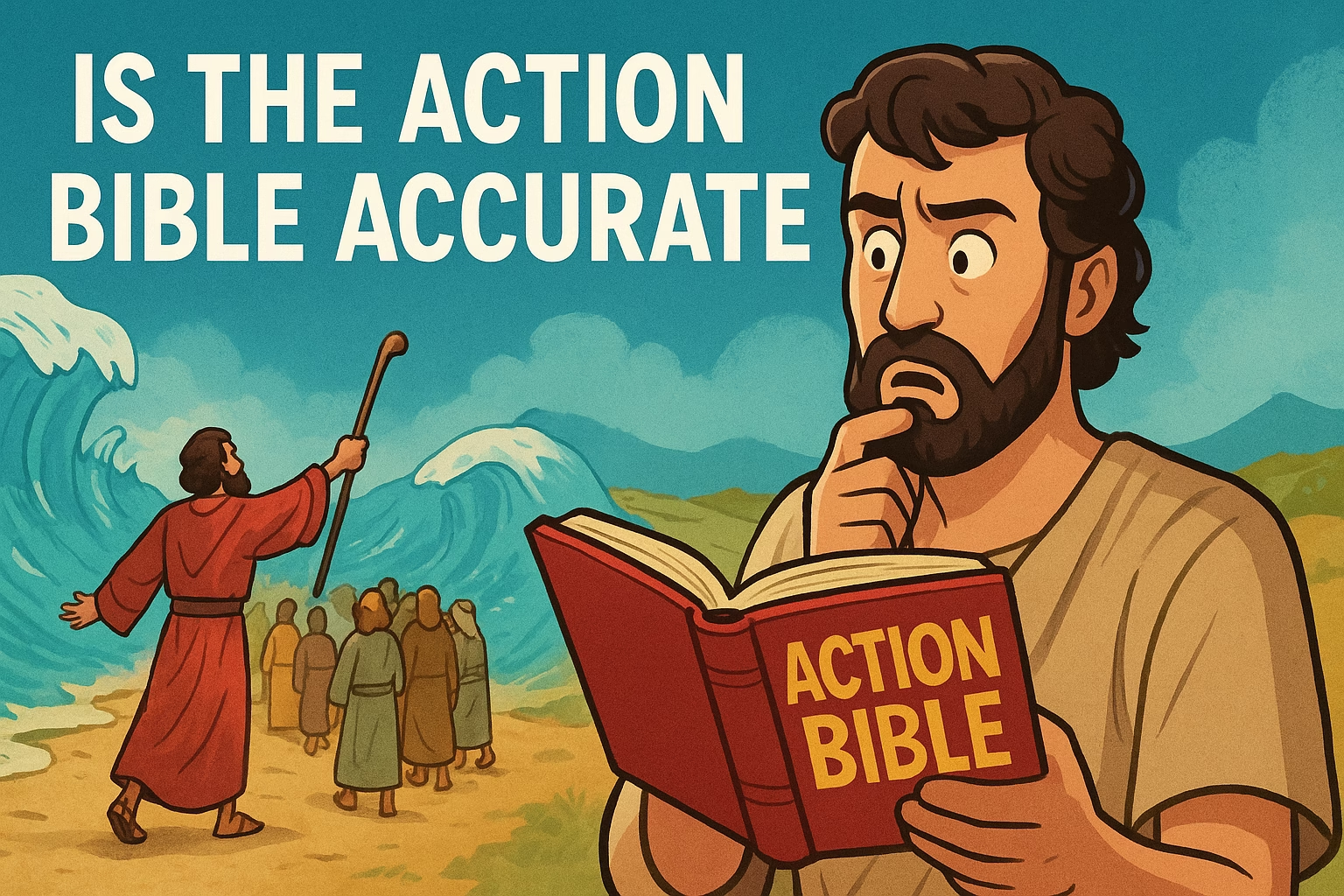
The story of Moses leading the Israelites out of Egypt (Exodus 3-14) is another critical event. The Action Bible illustrates the plagues and the parting of the Red Sea with dramatic flair. However, some details, such as the significance of each plague and the deeper theological implications of the Israelites’ deliverance, might be simplified. While the visuals are captivating, readers may miss the profound lessons about God’s power and faithfulness that are emphasized in the original text.
Character Portrayals and Development
Character development is crucial in understanding biblical figures. The Action Bible portrays characters like Jesus, Moses, and Paul with distinct personalities and motivations. While this creative approach can make these figures more relatable, it can also lead to inaccuracies in their portrayal.
Jesus’ Ministry
The depiction of Jesus in The Action Bible captures His miracles and teachings, but there are moments where the dialogue and interactions are dramatized. For example, the Sermon on the Mount (Matthew 5-7) is a pivotal teaching moment for Jesus, emphasizing love, humility, and righteousness. While The Action Bible presents the key themes, the depth and richness of Jesus’ teachings may not be fully conveyed in a condensed format. Readers should seek the full account in the Gospels for a comprehensive understanding of His message.
Paul’s Journeys
The Apostle Paul’s missionary journeys (Acts 13-21) are illustrated in The Action Bible, showcasing his adventures and challenges. However, the complexity of Paul’s theology and the struggles he faced can be oversimplified. For instance, the nuances of his letters, which provide insight into early Christian doctrine and community issues, are not fully explored in the graphic format. Readers interested in Paul’s teachings should refer to the epistles for a deeper understanding of his thoughts and contributions to the faith.
The Balance of Engagement and Accuracy
The Action Bible serves as a bridge for those who may find traditional biblical texts daunting. It engages readers through visuals and storytelling but does so at the risk of oversimplifying or altering certain narratives. It is crucial for readers, especially younger ones, to approach this work with discernment.
While The Action Bible can spark interest in biblical stories, it’s essential to pair it with actual scripture study. This approach ensures that readers gain a well-rounded understanding of the Bible’s teachings and context, allowing them to appreciate both the artistic representation and the profound truths contained within the original texts.
Contextual Considerations in Biblical Interpretation
Understanding the context of biblical stories is crucial for grasping their meaning. The Action Bible, while visually appealing, may not always convey the cultural, historical, and theological contexts that shape the narratives. For example, the parables of Jesus, which often rely on first-century Jewish customs and practices, may lose some of their depth when presented in a contemporary format. Readers are encouraged to delve into the cultural background of these stories to fully appreciate their significance.
The Role of Tradition and Interpretation
Christian tradition plays a significant role in how biblical stories are interpreted. The Action Bible draws from various interpretations and theological perspectives, but it may not always align with every denomination’s understanding. For instance, the story of Noah and the Ark (Genesis 6-9) can be viewed through different theological lenses, such as judgment, grace, or covenant. The Action Bible might emphasize one aspect over another, potentially leading to differing interpretations among readers.
It is essential for readers to recognize that interpretations can vary widely among different Christian traditions. Engaging with diverse theological perspectives can enhance one’s understanding of biblical narratives, encouraging readers to explore beyond The Action Bible.
Engaging with the Original Text
One of the most significant aspects of studying the Bible is the ability to engage with the original text. The Action Bible serves as a visual aid but should not replace reading the Scriptures themselves. The richness of the biblical language, the intricacies of its poetry, and the depth of theological discourse are often lost in adaptation. For example, the poetic structure of the Psalms or the complex arguments in the Book of Romans are best understood through direct engagement with the biblical text.
Encouraging Critical Thinking
Readers of The Action Bible should be encouraged to think critically about the stories presented. This involves asking questions such as: What does the original text say? How does the adaptation differ from the biblical account? What theological significance is emphasized or overlooked in this version? Such inquiries can lead to a deeper understanding of Scripture and foster a more robust faith.
The Target Audience and Its Implications
The primary audience for The Action Bible includes children and young adults, who may find traditional texts daunting. While it is essential to make the Bible accessible, it is equally important to ensure that the adaptations do not compromise the integrity of the message. The simplification of stories might appeal to younger readers, but it can also lead to a superficial understanding of profound biblical truths.
Parents and educators should be aware of this balance, using The Action Bible as a starting point for discussions about faith and Scripture. It can be a useful tool for introducing biblical concepts, but it should be complemented with further study of the Bible to provide a well-rounded theological education.
Feedback from Readers and Scholars
Feedback on The Action Bible from readers and biblical scholars has been mixed. Many appreciate the engaging format and the way it brings biblical stories to life. However, some critics argue that the liberties taken in storytelling can lead to misunderstandings of key doctrines and narratives. Scholars often emphasize the importance of fidelity to the original texts, advocating for adaptations that prioritize accuracy alongside engagement.
This dialogue between readers, educators, and scholars is vital for ensuring that adaptations like The Action Bible fulfill their intended purpose without sacrificing theological integrity. Engaging with scholarly work can also provide insights into how to navigate the complexities of biblical interpretation.
Conclusion: A Tool for Exploration
In summary, The Action Bible can serve as a valuable tool for introducing biblical stories to new readers, particularly children and young adults. Its artistic and narrative approach helps to spark interest and engagement. However, it is essential to recognize its limitations regarding accuracy and depth.
Readers should view The Action Bible as a complement to traditional Bible study, not a replacement. By pairing it with the original texts and engaging in thoughtful discussion, readers can cultivate a more profound understanding of Scripture. This approach ensures that the beauty of the Bible is appreciated alongside its theological truths, allowing for a richer exploration of faith.
For further insights into the importance of understanding the Bible’s teachings, check out this article on biblical interpretation and learn how to engage with the Scriptures meaningfully through this discussion on children’s Bible adaptations.