Reading the Bible can be a profound and transformative experience, but many people find themselves overwhelmed by its length and complexity. With 66 books spanning various genres, historical contexts, and theological themes, knowing where to start can be challenging. Whether you are a newcomer to the faith or someone looking to deepen your understanding, the order in which you read the Bible can significantly impact your comprehension and spiritual growth.
There are several approaches to reading the Bible, and the best order often depends on your personal goals, background, and familiarity with Scripture. Below, we will explore different methods for reading the Bible, along with specific recommendations to guide you on your journey.
Starting with the Gospels
If you are new to the Bible, beginning with the Gospels can provide a solid foundation for understanding the Christian faith. The Gospels of Matthew, Mark, Luke, and John focus on the life, teachings, death, and resurrection of Jesus Christ. These accounts reveal who Jesus is and why His message is central to Christianity.
- Matthew: This Gospel emphasizes Jesus as the fulfillment of Old Testament prophecies. It is particularly helpful for understanding His role as the Messiah.
- Mark: The shortest Gospel, Mark presents a fast-paced narrative that highlights Jesus’ actions and miracles.
- Luke: Luke offers a detailed account of Jesus’ life and includes many unique parables, emphasizing God’s love and compassion.
- John: This Gospel focuses on the spiritual significance of Jesus’ life, presenting profound theological insights.
Reading the Gospels first allows you to grasp the core message of Christianity and provides context for the rest of the Bible.
Exploring the Old Testament
After the Gospels, many readers find it beneficial to explore the Old Testament. However, the Old Testament can be challenging due to its historical context and varied literary styles. A recommended approach is to read it in thematic sections rather than strictly chronologically.
The Pentateuch
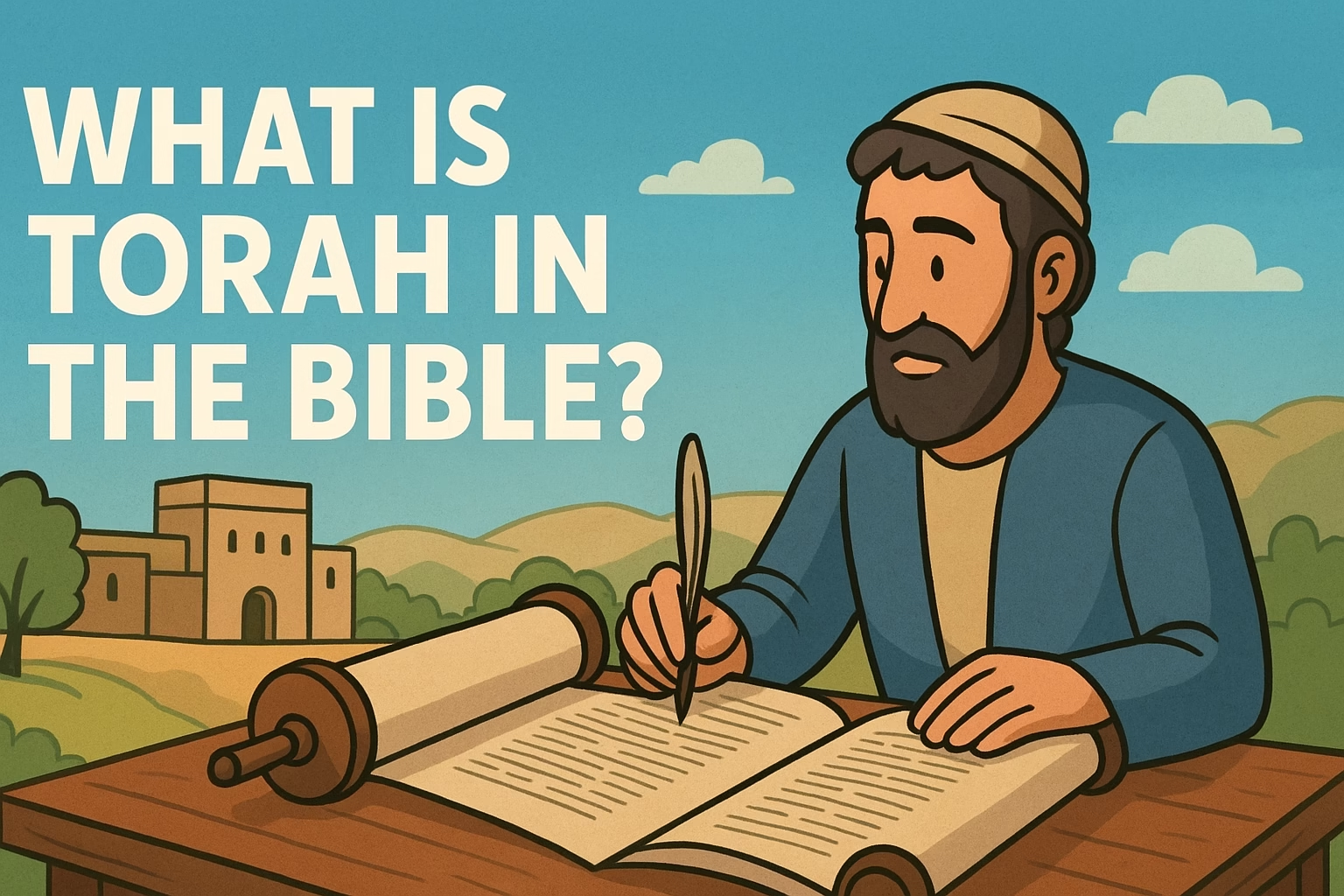
Start with the first five books of the Bible, known as the Pentateuch or the Torah: Genesis, Exodus, Leviticus, Numbers, and Deuteronomy. These books lay the groundwork for understanding God’s covenant with Israel and the establishment of the Law.
- Genesis: Covers creation, the patriarchs, and the beginnings of Israel.
- Exodus: Tells the story of Israel’s deliverance from Egypt and the giving of the Law.
Historical Books
Next, consider reading the historical books, which include Joshua through Esther. These books recount Israel’s history, including their conquest of Canaan, the establishment of the monarchy, and the Babylonian exile. Key themes include faithfulness, judgment, and redemption.
Wisdom Literature and Psalms
After the historical books, you can delve into the wisdom literature, which includes Job, Proverbs, and Ecclesiastes. These texts offer practical advice and insights into the human condition. Psalms, a collection of songs and prayers, is also part of this category and can be read throughout your study for encouragement and reflection.
The Prophets
The prophetic books (Isaiah through Malachi) may be best read after you have a grasp of the historical context. These books contain messages of warning, hope, and restoration, often addressing specific circumstances in Israel’s history. They also provide important insights into God’s character and His plans for humanity.
Returning to the New Testament
Once you have a good understanding of the Old Testament, it’s beneficial to return to the New Testament for deeper theological insights. After the Gospels, you can read the Acts of the Apostles, which chronicles the early church’s growth and the spread of the Gospel. Following Acts, the epistles (letters) written by Paul and other apostles provide guidance and teaching for believers.
- Romans: A foundational letter that explores salvation and the implications of faith in Christ.
- 1 and 2 Corinthians: Address issues within the early church, providing practical advice and theological insights.
Thematic Reading Plans
Some readers benefit from thematic reading plans that focus on specific topics or themes throughout the Bible. For instance, you might choose to read passages about faith, love, or God’s promises. This approach can provide a more integrated understanding of how different parts of Scripture relate to each other.
Many Bible apps and websites offer reading plans that can guide you through the Bible in a year or focus on specific themes. These plans can help maintain your reading discipline and provide structure for your study.
As you explore these different approaches, remember that the goal of reading the Bible is not just to gain knowledge but to foster a deeper relationship with God. Take your time, reflect on what you read, and allow the Scriptures to shape your faith and understanding.
Understanding the Context of Scripture
Before diving into specific readings, it is crucial to understand the context of the Bible as a whole. The Bible is not a single book but a collection of writings from various authors over centuries. It encompasses diverse genres, including history, poetry, prophecy, and letters, each with its own style and purpose.
Recognizing the historical and cultural context of each book can greatly enhance your comprehension. For instance, the cultural norms and practices during biblical times can influence the interpretation of certain passages. Understanding who the original audience was and the issues they faced can shed light on the text’s meaning and relevance today.
The Importance of Biblical Genres
Different literary forms require different reading approaches. For example, poetry, such as the Psalms, often employs metaphor and imagery, inviting readers to reflect on emotions and experiences. In contrast, historical narratives, like those found in the books of Kings, aim to recount events and convey lessons through those stories.
As you read, pay attention to the genre of each book. This awareness will help you appreciate the richness of the text and its intended message. You might ask yourself questions like, “What literary devices are being used here?” or “How does the genre shape my understanding of the text?”
Follow-Up Questions for Reflection
Engaging with the Bible can be deeply personal, and asking questions can enhance your reading experience. Here are some thoughtful inquiries to consider as you read:
- What does this passage reveal about God’s character? Consider how different authors portray God and His relationship with humanity.
- What does this text say about human nature? Reflect on the behaviors, struggles, and triumphs of biblical characters.
- How does this passage relate to the overarching narrative of the Bible? Think about how individual stories and teachings contribute to the larger story of redemption.
- What is my response to this reading? Contemplate how the text challenges or encourages you in your faith journey.
Integrating Prayer and Meditation
As you read, consider incorporating prayer and meditation into your study routine. Prayer can help you seek understanding and insight, asking the Holy Spirit to illuminate the text. Meditation allows you to ponder the meaning of specific verses and how they apply to your life. For instance, after reading a passage, you might spend a few moments in silence, reflecting on its implications.
Creating a habit of prayer before and after your reading can deepen your connection with Scripture. You might say a simple prayer asking for guidance and clarity. After your reading, express gratitude for the insights gained and ask for help in applying those lessons in your daily life.
Utilizing Study Aids and Resources
Many resources are available to aid your Bible study. Consider using study Bibles, commentaries, and online platforms that offer explanations and insights into difficult passages. These tools can provide historical background, theological context, and interpretations from various perspectives.
Joining a Bible study group can also be beneficial. Engaging with others allows for discussion and shared insights, enriching your understanding of the text. Group settings often encourage accountability and provide diverse viewpoints that can enhance your learning experience.
Establishing a Consistent Reading Schedule
Consistency is key when it comes to reading the Bible. Establishing a regular reading schedule can help you stay committed. You might choose to read a chapter a day or set aside specific times during the week for more extended study sessions. Find a rhythm that works for you and stick with it.
Consider keeping a journal to document your thoughts, reflections, and questions as you read. This practice can help you track your progress and revisit insights over time. Writing down what you learn can also reinforce your understanding and provide a personal record of your spiritual journey.
The Journey of Spiritual Growth
Reading the Bible is not merely an academic exercise; it is a spiritual journey. As you navigate the Scriptures, allow yourself to be transformed by the message. The goal is to deepen your relationship with God and grow in your faith. Each book and passage contributes to a larger understanding of His love and purpose for your life.
As you read, be open to the ways God might be speaking to you through His Word. The Bible has the power to challenge, comfort, and guide you. Embrace the journey, and remember that it is okay to have questions and seek answers along the way.
Ultimately, the best order to read the Bible is the one that resonates with you personally. Whether you follow a thematic plan, read chronologically, or focus on specific books, what matters most is your engagement with the text and your willingness to grow in your faith.
For further exploration of different Bible reading plans and themes, consider checking out these helpful resources: descriptive anchor text and descriptive anchor text.