The topic of prayer is a central theme in the Christian faith, playing a vital role in a believer’s relationship with God. As Christians, we often seek guidance, comfort, and strength through prayer. However, one might wonder just how often prayer is mentioned in the Bible and what significance it holds in various contexts. In this article, we will explore the frequency of prayer in Scripture and its implications for believers.
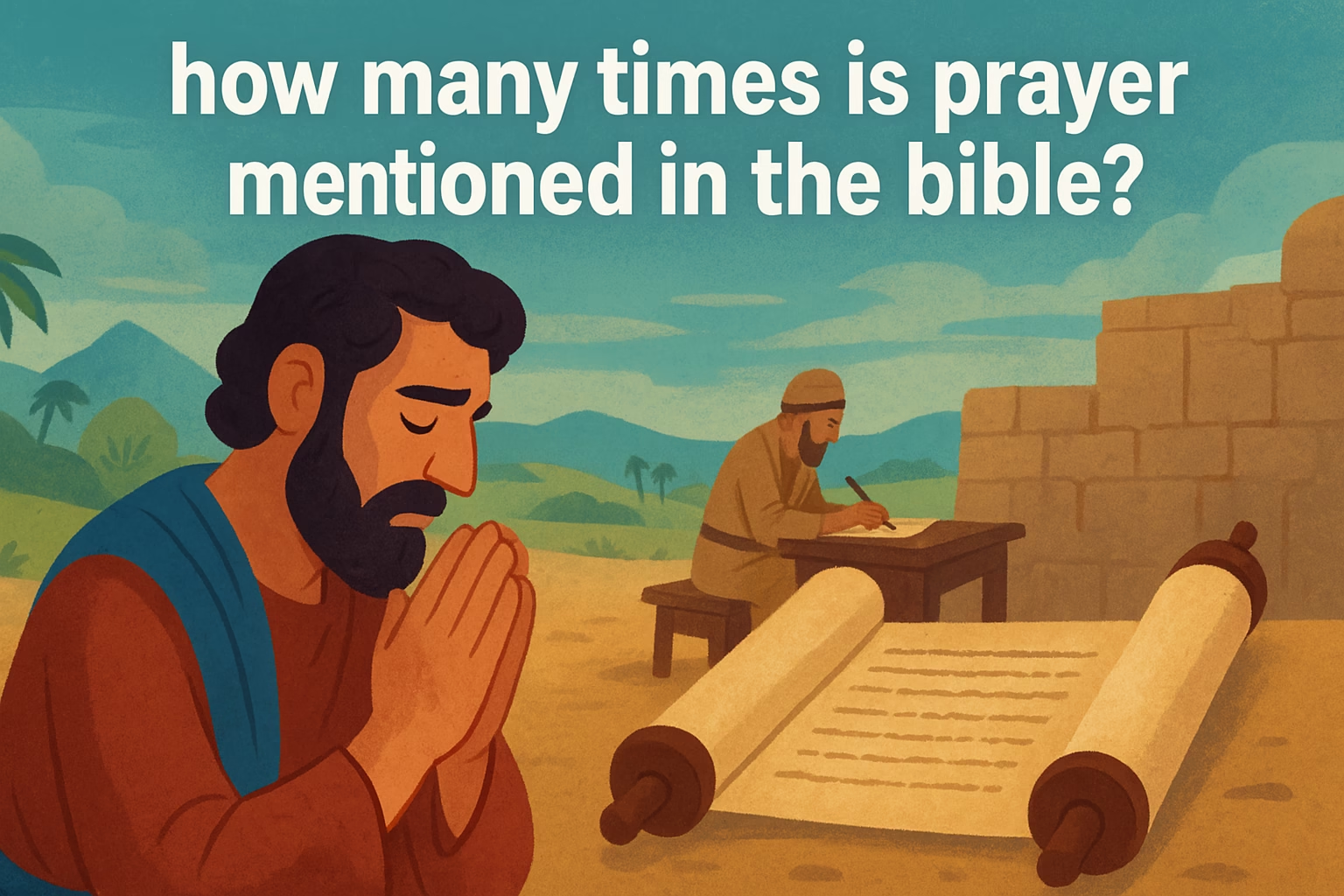
While the exact number of times the word “prayer” appears in the Bible can vary depending on the translation, it is generally mentioned over 300 times throughout both the Old and New Testaments. The term itself encompasses a range of forms, including supplication, intercession, thanksgiving, and praise, reflecting the diverse ways believers communicate with God.
Old Testament References to Prayer
In the Old Testament, prayer is depicted as a fundamental aspect of a faithful life. Key figures such as Moses, David, and Solomon exemplify the importance of prayer in their relationships with God. For instance, in Exodus 32:11-14, Moses intercedes for the Israelites after they sin, demonstrating the power of prayer in seeking mercy and forgiveness. This event highlights the role of prayer not only as communication but also as a means of influencing God’s actions.
Examples of Prayer in the Old Testament
Several notable prayers appear throughout the Old Testament, revealing different aspects of prayer:
- Hannah’s Prayer: In 1 Samuel 1, Hannah prays earnestly for a child, showcasing heartfelt supplication and the desire for God’s intervention in her life.
- David’s Psalms: Many of the Psalms are prayers of praise, lament, and thanksgiving. For example, Psalm 51 is David’s prayer of repentance after his sin with Bathsheba, illustrating the importance of confessing sins through prayer.
- Solomon’s Dedication Prayer: In 1 Kings 8:22-53, Solomon prays at the dedication of the temple, asking God to hear the prayers of His people, further emphasizing prayer’s communal aspect.
These examples demonstrate that prayer in the Old Testament is not merely a ritualistic act but a genuine expression of faith, need, and relationship with God.
New Testament Insights on Prayer
The New Testament continues to emphasize the significance of prayer, with Jesus Himself modeling a life of prayer. He often withdrew to pray, demonstrating the necessity of maintaining a close connection with the Father. In the Gospels, Jesus teaches His followers how to pray, most notably in the Lord’s Prayer found in Matthew 6:9-13. This prayer serves as a template for believers, encompassing praise, petition, and a call for God’s kingdom to come.
The Teachings of Jesus on Prayer
Throughout His ministry, Jesus provided several teachings on prayer that are crucial for understanding its role in a believer’s life:
- Persistency in Prayer: In Luke 18:1-8, Jesus tells the parable of the persistent widow, encouraging His followers to pray continually and not lose heart.
- Praying with Faith: Mark 11:24 emphasizes the importance of faith in prayer, stating that whatever you ask in prayer, believe that you have received it, and it will be yours.
- Praying in Secret: In Matthew 6:6, Jesus instructs His disciples to pray privately, highlighting the personal and intimate nature of communication with God.
The New Testament reinforces the idea that prayer is not just about asking for things but about developing a deeper relationship with God. It is a means of aligning our will with His and seeking His guidance in our lives.
Prayer in the Early Church
The early church placed a strong emphasis on prayer as they sought to fulfill the Great Commission. Acts 1:14 describes the disciples devoting themselves to prayer in the upper room after Jesus’ ascension. This commitment to prayer was integral to their unity and strength as they faced persecution and challenges in spreading the Gospel.
Examples of Prayer in the Early Church
Several instances in the Book of Acts highlight the centrality of prayer in the life of the early Christians:
- Peter’s Release from Prison: In Acts 12, the church prays fervently for Peter’s release, demonstrating their reliance on God in desperate situations.
- Paul and Silas in Prison: In Acts 16:25, while imprisoned, Paul and Silas pray and sing hymns, leading to miraculous events and the conversion of the jailer.
- Commissioning of Leaders: In Acts 13:2-3, the church prays and fasts before sending out Paul and Barnabas, showing the importance of prayer in decision-making and ministry.
These examples illustrate that prayer was not just a personal endeavor but a communal activity that strengthened the church’s mission and purpose.
Different Types of Prayer in Scripture
The Bible speaks of various types of prayer, reflecting the diverse ways believers can approach God:
- Supplication: This involves asking God for specific needs, as seen in Philippians 4:6, where Paul encourages believers to present their requests to God.
- Intercession: Praying on behalf of others, as exemplified by Moses and Jesus, is a vital aspect of prayer that underscores the importance of community.
- Thanksgiving: Expressing gratitude to God is a recurring theme in Scripture, reminding believers to acknowledge His blessings and goodness.
- Praise: Worshipful prayer focuses on honoring God for who He is, often found in the Psalms and other passages.
Understanding these different types of prayer enhances our ability to engage with God in meaningful ways and fosters a richer prayer life.
Historical Context of Prayer in the Bible
To fully appreciate the significance of prayer in the Bible, it is essential to understand the historical and cultural context in which these prayers were offered. Ancient Israel, like many cultures of the time, viewed prayer as a vital part of life, deeply intertwined with communal and personal identity. Prayer was not merely a personal activity but a communal one that often reflected the state of the nation.
For example, during times of national crisis or calamity, the Israelites would gather to pray collectively, seeking divine intervention. The practice of prayer was often linked with specific events, such as droughts, wars, or plagues, where the community would turn to God in unison, demonstrating their dependence on Him. This communal aspect is evident in the prayers of leaders like Solomon, who prayed for the nation at the dedication of the temple, emphasizing the need for God’s presence among His people.
The Role of Prayer in Personal Transformation
Prayer serves not only as a means of communication with God but also as a catalyst for personal transformation. Throughout the Bible, we see how individuals were changed through their encounters with God in prayer.
For instance, in the story of Jacob wrestling with God in Genesis 32, Jacob’s night of prayer and struggle led to a profound transformation. By the end of this encounter, he received a new name, Israel, symbolizing his changed identity and relationship with God. Such moments illustrate that prayer can lead to significant life changes, moving believers from a place of struggle to a new understanding of their purpose and identity.
Prayer as a Means of Discernment
Another important aspect of prayer in the Bible is its role in discernment. Believers often turned to prayer when faced with decisions or challenges, seeking God’s guidance in their lives. In James 1:5, the apostle encourages believers to ask God for wisdom, affirming that He gives generously to all without finding fault.
In the Old Testament, leaders like David frequently sought God’s counsel through prayer. For instance, before going into battle, David would inquire of the Lord, demonstrating the importance of seeking divine direction in significant decisions. This practice underscores the belief that prayer is not only about presenting requests but also about listening for God’s voice and guidance.
Challenges and Misconceptions about Prayer
Despite the clear emphasis on prayer in Scripture, many believers face challenges and misconceptions regarding their prayer life. One common misconception is the belief that prayer must follow a specific formula or structure to be effective. However, the Bible illustrates that prayer can take many forms, from spontaneous cries for help to structured prayers of thanksgiving.
Additionally, some may struggle with feelings of inadequacy or fear that their prayers are not worthy. Romans 8:26-27 reassures believers that the Holy Spirit intercedes for us, helping us in our weakness. This divine assistance reminds us that prayer is about the heart’s posture rather than eloquence or perfection.
The Impact of Prayer on Community
Prayer has a profound impact on community life among believers. As seen in the early church, prayer fostered unity and strength among the members. When the church in Acts committed to prayer, they experienced a deep sense of fellowship and purpose, which fueled their mission to spread the Gospel.
Communal prayer can strengthen bonds within a church, as members gather to seek God’s will together. This practice can lead to powerful experiences of collective worship and intercession, as believers share their burdens and joys. It is in these moments that the church can experience the transformative power of God working through their unified prayers.
Reflecting on Your Own Prayer Life
Understanding the frequency and significance of prayer in the Bible invites believers to reflect on their own prayer lives. Here are some questions to consider:
- How often do you engage in prayer, and what forms does it take?
- Do you view prayer as a duty or a privilege in your relationship with God?
- How can you incorporate different types of prayer, such as intercession or thanksgiving, into your routine?
- Are there areas in your life where you need to seek God’s guidance through prayer?
These questions can help you assess your relationship with prayer and encourage deeper engagement with God through this vital practice.
Conclusion: The Enduring Importance of Prayer
Prayer remains a cornerstone of the Christian faith, deeply woven into the fabric of biblical history and practice. From the earnest supplications of the Old Testament to the teachings of Jesus and the communal prayers of the early church, prayer is portrayed as an essential means of connecting with God, seeking His guidance, and fostering community among believers. Understanding how prayer is presented in Scripture encourages Christians to cultivate a vibrant prayer life that reflects their relationship with God, ultimately leading to transformation and deeper faith.
For further insights on the significance of prayer and its various forms, explore these articles: the role of prayer in Christian life and understanding different types of prayer.