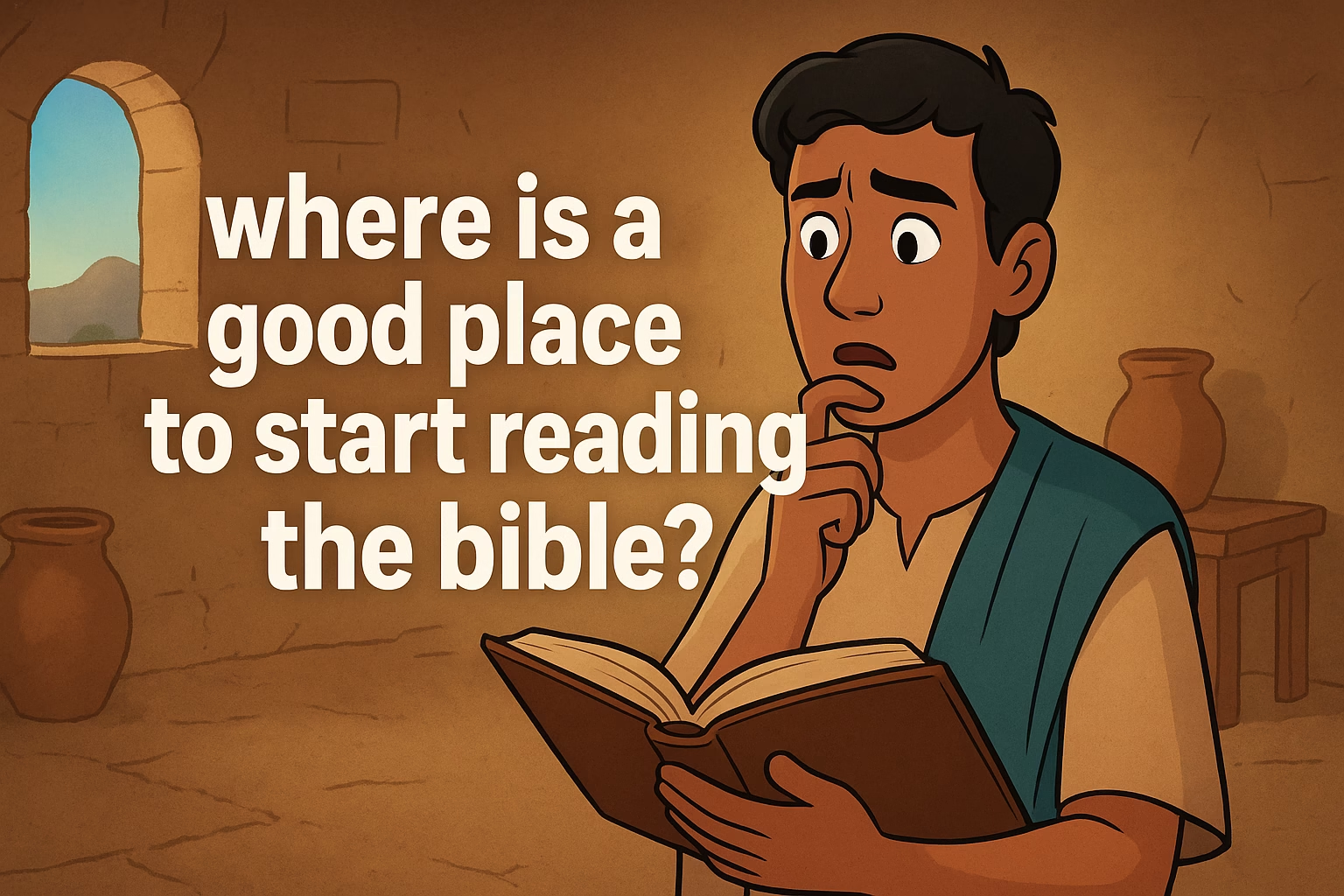
Starting to read the Bible can feel overwhelming, especially with its vast number of books and diverse writing styles. Whether you are new to the faith or simply looking to deepen your understanding, knowing where to begin is essential. This article aims to guide you on a good starting point for your Bible reading journey.
One of the best places to start reading the Bible is the book of John in the New Testament. This gospel provides a clear and profound introduction to the life and teachings of Jesus Christ, which is central to the Christian faith. Additionally, you might consider beginning with the Psalms or Proverbs in the Old Testament, as they offer wisdom, encouragement, and insights into human experience.
The Gospel of John
The Gospel of John is often recommended for beginners because it is written in a straightforward style and focuses on the identity and mission of Jesus. Unlike the other gospels, John emphasizes the divinity of Christ and includes unique stories and teachings that are not found elsewhere.
In John 1:1, it states, “In the beginning was the Word, and the Word was with God, and the Word was God” (NLT). This opening verse sets the tone for understanding Jesus as the eternal Son of God. Throughout the book, John presents seven “I Am” statements made by Jesus, each revealing different aspects of His character, such as “I am the bread of life” (John 6:35) and “I am the way, the truth, and the life” (John 14:6).
Reading John allows you to grasp the essence of Jesus’ teachings, His miracles, and the significance of His death and resurrection. As you read, take note of how Jesus interacts with individuals, showing compassion and offering hope. This personal approach makes John’s gospel relatable and inspiring for new readers.
The Book of Psalms
The Psalms is another excellent starting point, especially if you are seeking comfort and guidance in prayer. This collection of songs and poems expresses a wide range of human emotions, from joy and praise to sorrow and despair. It reflects the struggles and triumphs of faith in a way that resonates with many people.
Psalms 23 is particularly well-known and cherished, starting with “The Lord is my shepherd; I have all that I need” (NLT). This psalm captures the essence of God’s care and guidance. Reading through the Psalms can help you connect with God on a personal level, as they articulate feelings that many experience in their spiritual journey.
Moreover, the Psalms often serve as a foundation for prayer. You can use them as templates or sources of inspiration for your own conversations with God, making them practical and accessible for daily life.
The Book of Proverbs
If you are interested in wisdom literature, the book of Proverbs is a great choice. Proverbs is filled with practical advice on how to live a wise and godly life. The teachings in this book can be applied to various aspects of daily living, including relationships, work, and decision-making.
Proverbs 1:7 states, “Fear of the Lord is the foundation of true knowledge” (NLT), highlighting the importance of reverence and respect for God as the starting point for wisdom. Each proverb is typically a short, memorable saying that imparts wisdom and insight, making it easy to digest.
Reading a chapter a day can be a beneficial practice, as there are 31 chapters in Proverbs, allowing you to align your reading with the days of the month. This method helps you incorporate biblical wisdom into your daily routine.
The Book of Acts
After exploring the Gospels and the wisdom literature, the Book of Acts is another excellent next step. Acts chronicles the early church’s growth and the spread of Christianity after Jesus’ resurrection. It provides insights into how the first Christians lived out their faith, faced challenges, and shared the message of Jesus with others.
Acts 1:8 captures Jesus’ commission to His followers: “But you will receive power when the Holy Spirit comes upon you. And you will be my witnesses, telling people about me everywhere” (NLT). This verse emphasizes the role of the Holy Spirit and the importance of evangelism, which is a significant theme throughout the book.
Reading Acts can inspire you to understand the community aspect of faith and the importance of sharing the gospel in your own life. It also highlights the diverse backgrounds of early believers, showing that the message of Christ is for everyone.
Starting with a Bible Reading Plan
In addition to choosing specific books, you might consider using a Bible reading plan. These plans can help structure your reading and guide you through various themes or topics over a set period. Many plans are available online or through Bible apps, allowing you to select one that fits your schedule and interests.
Some plans focus on key stories from the Bible, while others may take you through the entire text over the course of a year. The important thing is to find a plan that encourages consistency and engagement with the Scriptures.
As you embark on your Bible reading journey, remember to pray for understanding and guidance. The Holy Spirit helps illuminate the truths within Scripture, making your time in the Word more meaningful and transformative. Reading the Bible is not just about acquiring knowledge but also about nurturing a relationship with God and growing in faith.
Understanding the Bible’s Context
When starting to read the Bible, it is beneficial to understand the context in which it was written. The Bible is not a single book but a collection of books written over many centuries by various authors in different historical and cultural settings. Understanding these contexts helps clarify the meaning of the texts and their relevance to modern readers.
The Old Testament, for instance, contains narratives, laws, poetry, and prophecies that reflect the history of the Israelites and their covenant relationship with God. The New Testament focuses on the life of Jesus and the early church, providing teachings that aim to guide believers in their faith and conduct.
Familiarizing yourself with the historical background can deepen your understanding of specific passages. For example, knowing about the Roman occupation during Jesus’ time can shed light on His teachings about authority and submission. Similarly, understanding the significance of Jerusalem in Jewish history can enhance the meaning of many Old Testament passages.
Choosing a Translation
Another important aspect of starting your Bible reading is choosing a translation that is both accessible and faithful to the original texts. There are various translations available, each with its own style and approach. Some popular translations include the New Living Translation (NLT), the English Standard Version (ESV), and the New International Version (NIV).
For beginners, the NLT is often recommended due to its clear and contemporary language, which makes it easier to understand. On the other hand, if you prefer a more literal translation, the ESV or NIV might be suitable options. It can be helpful to read a passage from multiple translations to gain a fuller understanding of the text.
Meaningful Follow-Up Questions
As you read through the Bible, asking follow-up questions can enhance your understanding and application of the Scriptures. Here are some questions to consider:
- What does this passage reveal about God? Understanding God’s character and attributes can deepen your relationship with Him.
- How does this text relate to my life today? Reflect on how the teachings apply to your current circumstances and challenges.
- What is the main message or theme of this passage? Identifying key themes can help you remember and share what you learn.
- How did the original audience understand this message? Considering the cultural and historical context can provide insight into the text’s meaning.
- What action is God calling me to take in response to this reading? Look for practical steps you can take to apply the lessons learned.
Engaging with Others
Reading the Bible can be a solitary journey, but engaging with others can enrich your experience. Consider joining a Bible study group or finding a reading partner. Discussing your insights and questions with others can provide new perspectives and encourage accountability.
Many churches offer Bible study classes or small groups focused on specific books or themes. These gatherings often include guided discussions, allowing participants to share their thoughts and learn from one another. Online forums and social media groups can also serve as platforms for discussion and encouragement.
Utilizing Additional Resources
In addition to reading the Bible itself, utilizing commentaries, study guides, and devotionals can enhance your understanding. These resources provide explanations, historical context, and practical applications of biblical texts. Many are available in print or online, making it easy to find materials that suit your needs.
Moreover, consider accessing audio or video resources, such as sermons or lectures, which can provide different insights into the Scriptures. Many websites and apps offer free access to a wealth of teaching materials that can complement your reading.
Making Bible Reading a Habit
To truly benefit from your Bible reading, make it a daily habit. Set aside a specific time each day to read and reflect on the Scriptures. This consistency can help you grow spiritually and develop a deeper understanding of God’s Word.
Start with a manageable goal, such as reading one chapter a day. As you become more comfortable, you can increase your reading or explore different books. Keeping a journal of your thoughts and reflections can also be beneficial, allowing you to track your spiritual growth and revisit insights over time.
Conclusion: Embrace the Journey
Starting to read the Bible is a significant step in your spiritual journey. Whether you choose to begin with the Gospel of John, the Psalms, or Proverbs, the key is to approach the Scriptures with an open heart and a willingness to learn. Remember that understanding the Bible takes time, and it is okay to have questions along the way. Engage with the text, seek guidance, and connect with others as you explore the richness of God’s Word.
As you embark on this journey, may you find encouragement, wisdom, and a deeper relationship with God through your reading of the Bible.
For more insights on understanding the Bible, check out this article on how to read the Bible effectively and this one about finding Bible study resources to support your learning journey.