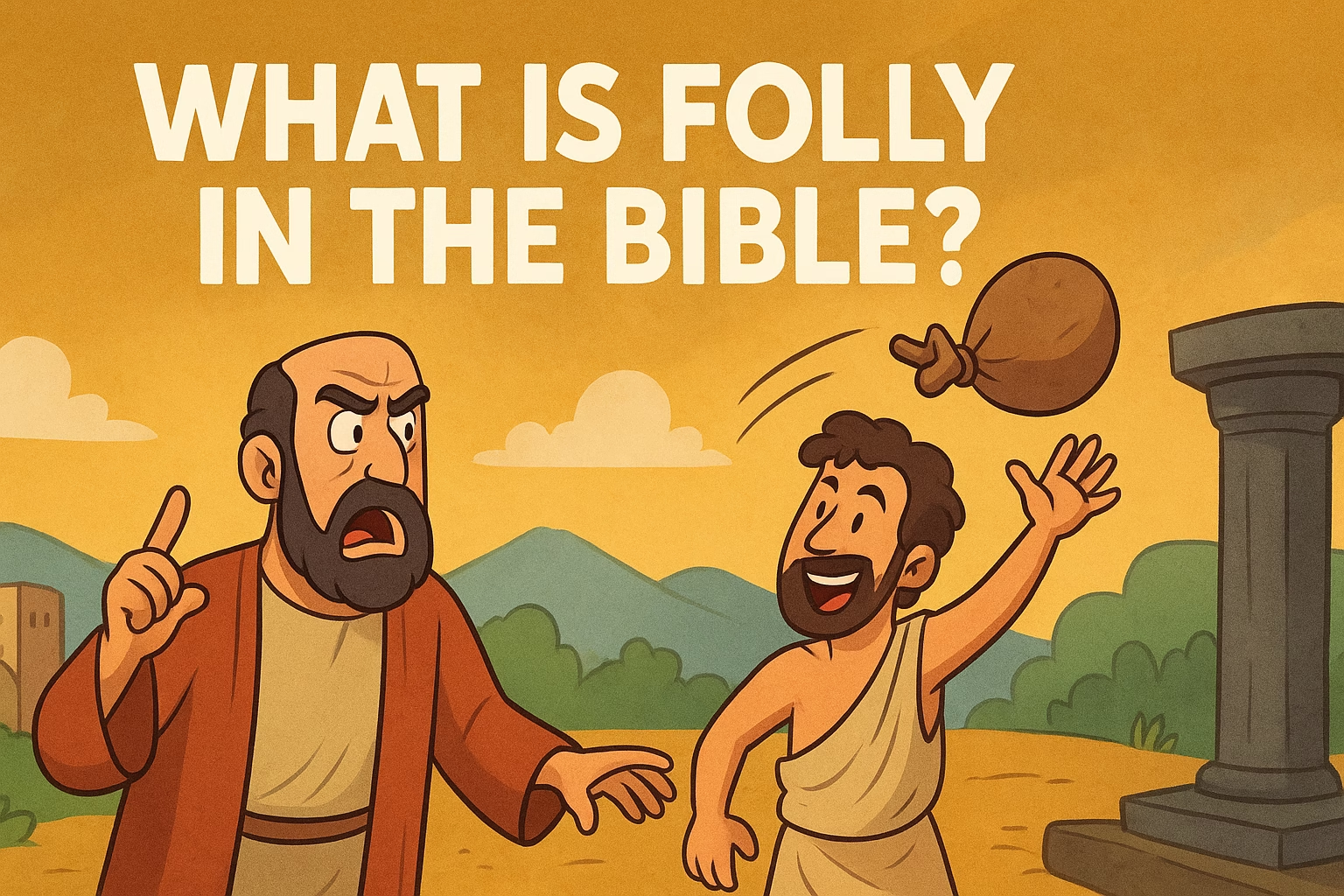
Folly is a concept that appears frequently in the Bible, often contrasted with wisdom. Understanding folly can help us better navigate our choices and relationships in life. In this article, we will explore the biblical definition of folly, its characteristics, and the consequences of foolish behavior as presented in Scripture.
In a biblical context, folly is generally understood as a lack of wisdom or discernment. It often refers to actions and attitudes that are contrary to God’s will, leading to negative outcomes for individuals and communities. The Bible provides numerous examples and teachings about folly, illustrating its dangers and how to avoid it.
Defining Folly in the Bible
The term “folly” comes from the Hebrew word “kesil,” which denotes a fool or foolishness, and is often used in the Book of Proverbs. In the New Testament, the Greek word “moros” translates to “foolish” or “silly.” Folly encompasses not just a lack of knowledge but also a refusal to act wisely despite having the ability to do so. This refusal often stems from pride, ignorance, or a rebellion against God.
Characteristics of Folly
Folly is characterized by several traits that are consistently highlighted throughout Scripture:
- Rejection of Wisdom: Proverbs 1:7 states, “The fear of the Lord is the beginning of knowledge, but fools despise wisdom and instruction.” This highlights that a fool dismisses wise counsel and guidance.
- Impulsiveness: Fools often act without thinking. Proverbs 14:16 tells us, “The wise are cautious and avoid danger; fools plunge ahead with great confidence.” This impulsiveness can lead to reckless decisions and harmful consequences.
- Emotional Instability: A fool is easily angered and quick to react. Proverbs 12:16 notes, “A fool shows his annoyance at once, but a prudent man overlooks an insult.” This emotional volatility can damage relationships and create conflict.
- Neglect of Responsibility: Folly can manifest as a disregard for duties and obligations. Proverbs 26:6 warns, “Sending a message by the hand of a fool is like cutting off one’s feet.” This suggests that folly can lead to irresponsible actions that have far-reaching effects.
Examples of Folly in Scripture
The Bible provides numerous examples of folly, illustrating its consequences in various contexts:
The Foolish Builder
In Matthew 7:24-27, Jesus tells the parable of two builders. One builds his house on rock, while the other builds on sand. When storms come, the house on sand collapses. This parable emphasizes the importance of building one’s life on a solid foundation, which is likened to following Christ’s teachings. The foolish builder represents someone who ignores wisdom and makes poor choices, leading to destruction.
The Prodigal Son
Another vivid illustration of folly is found in the parable of the Prodigal Son (Luke 15:11-32). The younger son demands his inheritance and squanders it on reckless living. His folly leads him to a point of desperation, where he realizes the consequences of his actions. This story demonstrates that folly can lead to loss and suffering, but it also reveals the possibility of redemption and returning to wisdom.
The Consequences of Folly
Folly brings about various consequences that affect both the individual and those around them. Here are some key outcomes associated with foolish behavior:
- Destruction: Proverbs 10:8 states, “The wise of heart will receive commandments, but a babbling fool will come to ruin.” This indicates that folly can lead to self-destruction, as those who act foolishly often face dire results.
- Strife and Conflict: Folly can cause division among people. Proverbs 18:6 warns, “A fool’s lips walk into a fight, and his mouth invites a beating.” This highlights how foolish words and actions can lead to conflict and tension in relationships.
- Lack of Prosperity: Proverbs 13:20 advises, “Walk with the wise and become wise, for a companion of fools suffers harm.” Associating with foolish individuals can lead to negative consequences, impacting one’s own well-being and success.
Wisdom as an Antidote to Folly
To combat folly, the Bible encourages the pursuit of wisdom. Proverbs 4:7 states, “The beginning of wisdom is this: Get wisdom. Though it cost all you have, get understanding.” Seeking wisdom involves a commitment to learning, humility, and a willingness to listen to God’s guidance.
In addition to seeking wisdom, the Bible encourages prayer and reflection as means to avoid folly. James 1:5 reminds us, “If any of you lacks wisdom, let him ask of God, who gives to all liberally and without reproach.” This emphasizes the importance of turning to God for discernment and understanding.
By recognizing the traits and consequences of folly, believers can make more informed choices that align with God’s will. The journey toward wisdom is ongoing, requiring diligence, humility, and a heart receptive to God’s instruction.
The Role of Folly in Relationships
Folly not only affects individual choices but also significantly impacts relationships. The Bible often illustrates how foolish behavior can harm connections between people. For instance, Proverbs 17:9 states, “Whoever covers an offense seeks love, but he who repeats a matter separates close friends.” This verse suggests that a foolish tendency to hold grudges or gossip can fracture relationships, while wisdom encourages forgiveness and unity.
Moreover, folly can manifest in communication styles. Proverbs 29:20 warns, “Do you see a man who is hasty in his words? There is more hope for a fool than for him.” This highlights that impulsive speech can lead to misunderstandings and conflict, emphasizing the importance of thoughtful communication to nurture healthy relationships.
Folly in Leadership
Folly can have severe implications in leadership roles as well. Leaders who act foolishly can lead their followers astray. Proverbs 29:12 states, “If a ruler listens to falsehood, all his officials will be wicked.” This verse demonstrates that a leader’s foolishness can create a culture of folly within a community or organization. Wise leaders, in contrast, seek counsel and act with integrity, fostering an environment where good decision-making flourishes.
Additionally, the story of King Rehoboam in 1 Kings 12 illustrates the consequences of foolish leadership. He rejected wise counsel from his elders in favor of the advice of his peers, leading to a divided kingdom. This narrative serves as a cautionary tale about the dangers of folly in positions of authority.
Spiritual Implications of Folly
In a spiritual context, folly can represent a rejection of God’s truth and a failure to acknowledge His sovereignty. Psalm 14:1 declares, “The fool says in his heart, ‘There is no God.’” This highlights a fundamental aspect of folly: the denial of God’s existence and authority. Such denial can lead individuals away from faith and into a life devoid of spiritual wisdom.
Furthermore, folly can hinder one’s relationship with God. Proverbs 1:29-30 explains, “For they hated knowledge and did not choose the fear of the Lord; they would have none of my counsel and despised all my reproof.” Ignoring God’s guidance can lead to spiritual stagnation and distance from God’s blessings. In contrast, embracing wisdom leads to a deeper understanding of God’s character and His plans for our lives.
Overcoming Folly
To overcome folly, the Bible provides several practical steps. First, self-awareness is crucial. Reflecting on one’s actions and decisions can help identify patterns of foolishness. Asking oneself questions like, “Am I acting impulsively?” or “Am I dismissing wise advice?” can promote growth and change.
Additionally, surrounding oneself with wise counsel can be transformative. Proverbs 15:22 states, “Without counsel plans fail, but with many advisers, they succeed.” Engaging with mentors or wise friends can provide valuable insights and encourage accountability in decision-making.
The Importance of Humility
Humility is also essential in combating folly. Proverbs 11:2 reminds us, “When pride comes, then comes disgrace, but with the humble is wisdom.” Recognizing one’s limitations and being open to learning can lead to wiser choices and a deeper understanding of God’s will.
Folly as a Teaching Tool
Interestingly, folly also serves as a teaching tool in the Bible. It illustrates the consequences of poor choices and encourages readers to reflect on their lives. The parables of Jesus, for example, often contain elements of foolishness that highlight the importance of wisdom. These stories invite listeners to learn from the mistakes of others and to strive for a life aligned with God’s principles.
Moreover, the Book of Proverbs serves as a guide, providing practical wisdom to avoid folly. By studying these teachings, believers can gain insight into living a life that honors God and promotes healthy relationships.
Conclusion: The Call to Wisdom
Folly is a pervasive theme in the Bible that serves as a warning against poor choices and attitudes that lead away from God. By understanding the characteristics and consequences of folly, believers are encouraged to pursue wisdom actively. This journey requires humility, self-reflection, and a commitment to learning from both Scripture and the experiences of others.
Ultimately, the call to wisdom is a call to align oneself with God’s will, fostering not only personal growth but also healthier relationships and communities. As we seek to avoid folly, we embrace a path that leads to life, joy, and fulfillment in our walk with God.
For more insights on living wisely and avoiding folly, check out this article on Christian wisdom and explore the importance of making wise choices in daily life.