The Bible is a sacred text that has guided millions through faith, morality, and understanding of God’s will. As we explore how the Bible ends, we find ourselves in the final book, Revelation, which presents a vivid picture of the future and the ultimate fulfillment of God’s promises. This article will break down the ending of the Bible, focusing on the themes, events, and significant messages conveyed in this conclusion.
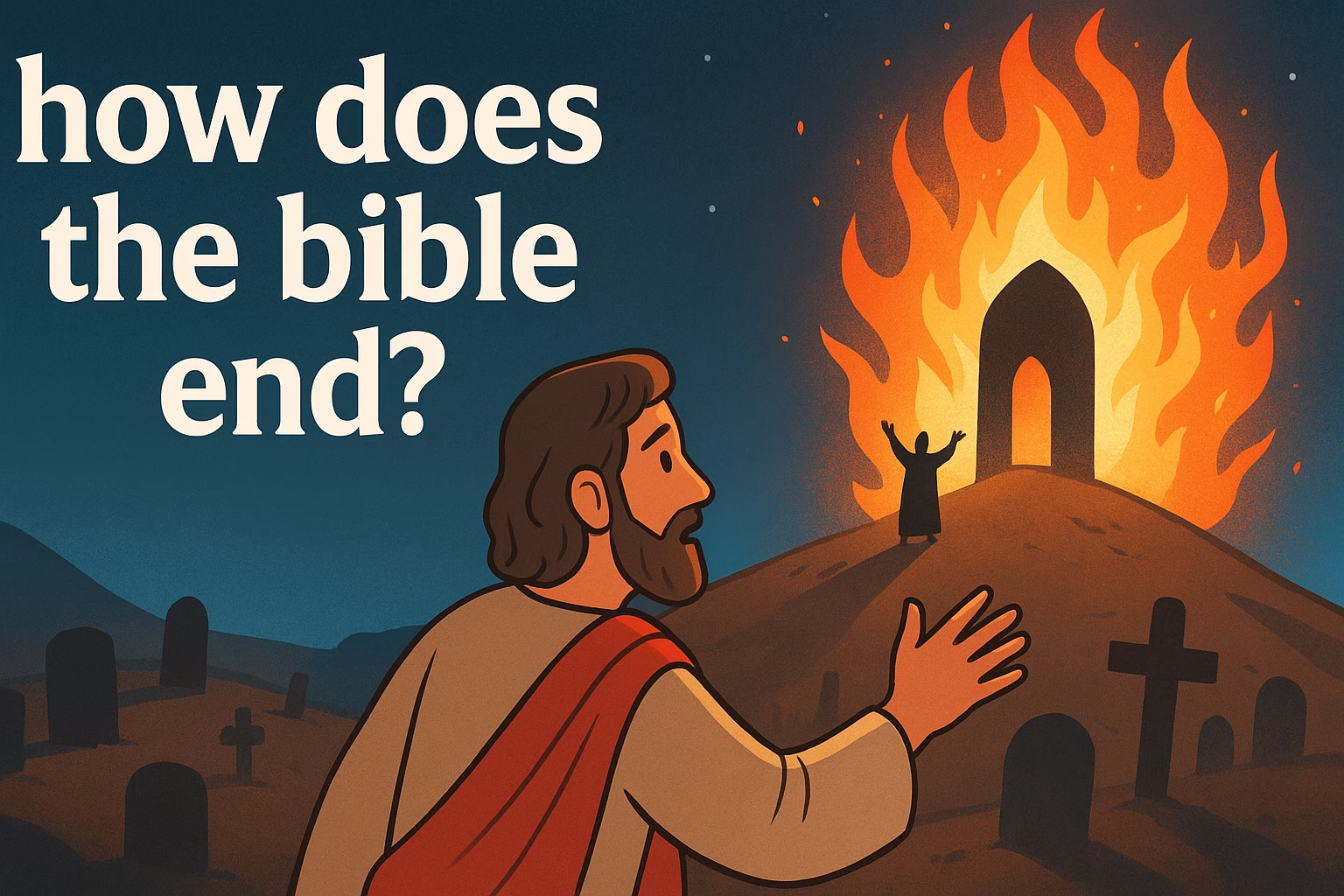
The Bible ends with a powerful vision of hope, judgment, and the establishment of God’s eternal kingdom. The final chapters of Revelation describe the end of human history, the final judgment, and the promise of a new heaven and new earth. Revelation serves as both a warning and an encouragement, reminding believers of the importance of faithfulness and perseverance until the very end.
The Vision of the New Heaven and New Earth
In Revelation 21, the Apostle John describes a profound vision he received from God. He writes about a new heaven and a new earth, stating, “For the old heaven and the old earth had disappeared” (Revelation 21:1, NLT). This image signifies a complete renewal of creation, where pain, suffering, and death are no more. God promises to dwell among His people, and they will be His children. This promise emphasizes the restoration of the relationship between God and humanity.
The Significance of the New Jerusalem
Within this vision, John introduces the New Jerusalem, a magnificent city prepared by God for His people. The city is described with great detail, highlighting its beauty and glory. The streets are made of gold, and the gates are made of pearls (Revelation 21:21). This imagery illustrates the splendor that awaits believers and serves as a reminder of the rewards for those who remain faithful to God.
The Final Judgment
Revelation 20 depicts the final judgment, often referred to as the Great White Throne judgment. Here, the dead are raised, and everyone is judged according to their deeds. The text warns that those whose names are not found in the Book of Life are cast into the lake of fire (Revelation 20:15). This stark imagery serves as a sobering reminder of the consequences of rejecting God and His offer of salvation.
The Nature of Judgment
The judgment described in Revelation is not arbitrary; it is based on the choices individuals make during their lives. Believers are assured that their faith in Jesus Christ secures their place in the New Jerusalem. In contrast, those who turn away from God face the consequences of their decisions. This reinforces the biblical teaching that faith and actions are intrinsically linked.
The Call to Perseverance
As Revelation draws to a close, it emphasizes the importance of perseverance for believers. In Revelation 22:12, Jesus states, “Look, I am coming soon, bringing my reward with me to repay all people according to their deeds” (NLT). This reminder encourages Christians to remain steadfast in their faith, knowing that their efforts will not go unnoticed. The call to perseverance is a consistent theme throughout the New Testament, highlighting the necessity of remaining faithful in a world often filled with trials and temptations.
The Blessing of Revelation
The book of Revelation concludes with a special blessing for those who read and heed its words. In Revelation 1:3, it says, “God blesses the one who reads the words of this prophecy to the church, and he blesses all who listen to its message and obey what it says” (NLT). This blessing underscores the importance of understanding the message of Revelation and applying it to one’s life. The promise of blessing serves as motivation for believers to engage with the text and share its message with others.
Warnings and Encouragements
As the Bible concludes, it does not shy away from the reality of spiritual warfare and the presence of false teachings. In Revelation 22:18-19, there is a stern warning against adding to or taking away from the words of this prophecy. This highlights the seriousness of Scripture and the importance of preserving its integrity. Believers are encouraged to be discerning and to hold fast to the truth of God’s Word.
The Final Invitation
The closing verses of Revelation extend a heartfelt invitation to all who are thirsty to come and drink from the water of life freely (Revelation 22:17). This invitation symbolizes the grace of God and His desire for all people to experience salvation. It reflects the core message of the Gospel—that through Jesus, anyone can have eternal life. The openness of this invitation demonstrates God’s love and mercy, urging everyone to respond to His call.
In summary, the Bible ends with a majestic vision of hope, judgment, and the promise of eternal life. Revelation serves as a reminder of God’s faithfulness, urging believers to remain steadfast in their faith and to look forward to the glorious future He has prepared. As we dive deeper into the final chapters of this sacred text, we uncover profound truths that continue to resonate with believers today.
The Role of Angels in Revelation
Throughout the book of Revelation, angels play a significant role in conveying God’s messages and executing His judgments. They are depicted as messengers who guide John through his visions and reveal heavenly truths. For instance, in Revelation 1:1, it states that the revelation was given by God to His servant John through an angel. This highlights the importance of angels as intermediaries between heaven and earth.
Angels also participate in the final judgment and the establishment of God’s kingdom. In Revelation 20:1-3, an angel descends from heaven to bind Satan and cast him into the abyss. This act signifies the ultimate defeat of evil and the restoration of God’s order. The presence of angels serves to emphasize the divine authority behind the events unfolding in the last days and assures believers of God’s sovereignty over all creation.
The Seven Churches and Their Relevance
Before the climactic events of the end times, Revelation addresses seven churches in Asia Minor, providing specific messages tailored to each congregation. These letters, found in Revelation 2-3, contain both commendations and criticisms, reflecting the spiritual state of the churches. They serve as a reminder that God’s people must remain vigilant and faithful, confronting challenges both internal and external.
The messages to the churches are relevant not only in their historical context but also to contemporary believers. Each letter concludes with an exhortation to “hear what the Spirit says to the churches,” emphasizing the ongoing need for spiritual discernment and obedience. This call to action encourages Christians to reflect on their own faith journeys and the condition of their communities.
The Significance of Prophecy
Revelation is often viewed as a prophetic book, filled with symbols and visions that point to future events. However, it is essential to understand that prophecy serves a dual purpose: it reveals God’s plans for the future while also calling believers to live in light of those truths today. The book’s prophetic nature urges Christians to be alert and prepared for Christ’s return, as emphasized in Revelation 22:20, where John writes, “Come, Lord Jesus!”
This prophetic aspect encourages believers to engage in spiritual readiness, fostering a sense of urgency in sharing the Gospel and living out their faith. The understanding that Jesus could return at any moment instills hope and motivates believers to lead lives that reflect His love and righteousness.
The Importance of Hope and Assurance
The concluding chapters of Revelation are filled with hope and assurance for believers. The promise of eternal life, the absence of pain and suffering, and the establishment of a new order all contribute to a sense of peace and security. Revelation 21:4 assures that God will wipe away every tear, and there will be no more death or sorrow. This hope is foundational to the Christian faith, providing comfort in times of trial and tribulation.
Furthermore, the assurance of God’s presence among His people is a central theme. In Revelation 21:3, it states that God will dwell with humanity, emphasizing the intimacy of the relationship between God and His people in the new creation. This promise encourages believers to cultivate their relationship with God in the present, knowing that it will culminate in a perfect fellowship in eternity.
The Call to Action for Believers
The Bible’s ending is not merely a conclusion but a call to action for believers. The themes of perseverance, faithfulness, and readiness resonate throughout Revelation and challenge Christians to live out their faith actively. The final verses serve as a reminder to share the message of hope and salvation with others, reflecting the heart of the Great Commission.
Believers are encouraged to engage with the world around them, being witnesses of God’s love and grace. The invitation to “come” and drink from the water of life is extended to all, reinforcing the mission of spreading the Gospel. This call to action is a vital aspect of how the Bible ends, urging believers to participate in God’s redemptive plan.
Understanding the Bible’s Conclusion in Context
To fully grasp the significance of how the Bible ends, it is essential to consider its context within the entire narrative of Scripture. The conclusion in Revelation ties back to the themes established throughout the Bible, including God’s faithfulness, the consequences of sin, and the promise of redemption through Jesus Christ. The ending serves as a culmination of God’s plan for humanity, emphasizing that history is moving toward a divine purpose.
As believers reflect on the Bible’s ending, they are reminded of the continuity of God’s story and their place within it. The assurance of victory over evil and the promise of eternal life offer a perspective that transcends current struggles, encouraging believers to remain anchored in their faith.
Final Thoughts: The Hope of Eternal Life
In conclusion, the Bible ends with a powerful message of hope, judgment, and the promise of eternal life. Revelation encapsulates the journey of faith, reminding believers of the importance of perseverance, the reality of spiritual warfare, and the urgency of sharing the Gospel. The vivid imagery of the new heaven and new earth, the assurance of God’s presence, and the invitation to partake in the water of life all serve to inspire and motivate Christians in their daily lives.
As believers look forward to the fulfillment of God’s promises, they are called to live with purpose and intentionality, sharing the hope they have in Christ with a world in need. The Bible’s ending is not just about the future; it is a call to actively engage in the present, reflecting God’s love and truth in all aspects of life.
To explore more about the themes of judgment and grace found in Revelation, you can read about the significance of spiritual warfare in the Christian life and the importance of understanding the hope of eternal life through Christ.