
The concept of gleaning in the Bible carries significant cultural and spiritual importance, particularly in the context of ancient agricultural practices. It reflects God’s provision for the needy and emphasizes the principles of generosity, community, and compassion. Understanding what glean means in the Bible can help us appreciate its relevance both in historical context and in our lives today.
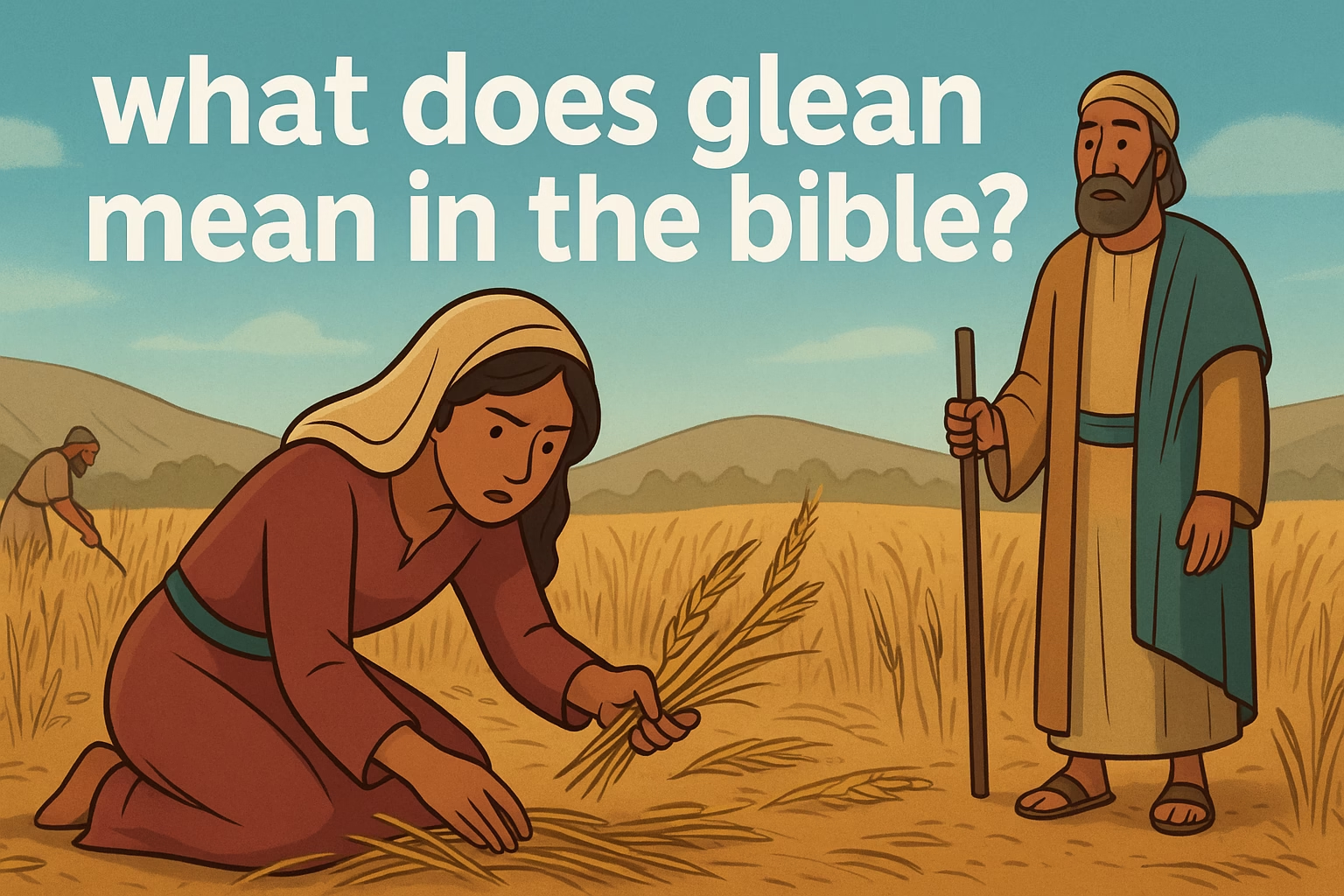
To glean refers to the act of collecting leftover crops from fields after the main harvest has been gathered. In biblical times, this practice was not only a way to provide for the poor and marginalized but also a commandment from God, ensuring that those in need had access to food. The term is most prominently featured in the Book of Ruth, where it illustrates themes of hope, redemption, and divine providence.
The Biblical Command to Glean
The concept of gleaning is rooted in the Mosaic Law. In Leviticus 19:9-10, God instructs the Israelites, saying, “When you harvest the crops of your land, do not harvest the grain along the edges of your fields, and do not pick up what the harvesters drop. Leave it for the poor and for the foreigners living among you. I am the Lord your God.” This command establishes gleaning as a means of supporting those who are less fortunate, including widows, orphans, and foreigners.
Similarly, Deuteronomy 24:19-22 reiterates this command, emphasizing that harvesters should intentionally leave some of the crops behind for the needy. This practice not only provided sustenance but also fostered a spirit of community responsibility and care for one another.
The Story of Ruth: A Gleaner’s Journey
The Book of Ruth offers a profound illustration of gleaning in action. Ruth, a Moabite widow, chooses to accompany her mother-in-law, Naomi, back to Bethlehem after the death of their husbands. In Ruth 2:2, Ruth says to Naomi, “Let me go to the fields and gather leftover grain behind anyone in whose eyes I find favor.” Her willingness to glean demonstrates her determination to provide for herself and Naomi, showcasing the practical application of the gleaning laws.
When Ruth arrives in the fields, she happens upon the field of Boaz, a relative of Naomi. Boaz notices Ruth’s hard work and kindness toward Naomi. In Ruth 2:15-16, Boaz instructs his harvesters to intentionally leave extra grain for Ruth to glean. This act of generosity emphasizes the importance of compassion and support within the community, reflecting God’s provision for those in need.
The Spiritual Significance of Gleaning
Beyond its practical implications, gleaning carries deep spiritual significance. It serves as a reminder of God’s care for the marginalized and vulnerable. In the New Testament, this principle of caring for the poor continues. In Matthew 25:35-40, Jesus emphasizes the importance of serving those in need, stating that when we help the least of these, we are serving Him.
Furthermore, gleaning can be seen as a metaphor for spiritual nourishment. Just as Ruth gleaned physical grain from the fields, believers are encouraged to glean spiritual truths from God’s Word. In this way, gleaning represents both physical and spiritual sustenance, inviting us to seek out and share the abundance that God provides.
Gleaning in the Modern Context
While the practice of gleaning may not be as common today, its principles still resonate. Many modern organizations and churches engage in food recovery efforts, collecting surplus food from farms and grocery stores to distribute to those in need. This contemporary application of gleaning embodies the same spirit of generosity and care found in the biblical text.
Additionally, the act of gleaning can inspire individuals to be more aware of the needs around them. It encourages us to look for opportunities to support those who may be struggling, whether through charitable giving, volunteering, or simply offering a helping hand to a neighbor in need.
Conclusion
In summary, gleaning in the Bible represents a vital cultural practice that underscores God’s provision for the poor and the importance of community care. Through the stories of the Old Testament, especially in the Book of Ruth, we see how gleaning not only provided for physical needs but also illustrated deeper spiritual truths. As we reflect on the meaning of gleaning, we are called to embody these principles in our own lives, ensuring that we remain attentive to the needs of those around us and generous in our response.
The Broader Implications of Gleaning
Gleaning extends beyond agricultural practices to embody a philosophy of life that encourages generosity and ethical living. In ancient Israel, the act of leaving crops for the poor was a tangible expression of the community’s commitment to justice and mercy. This practice not only ensured that those in need had access to food but also reinforced the collective responsibility towards one another. The underlying principle is that wealth and resources are not solely for individual gain but should be shared with those who are less fortunate.
In a broader context, gleaning reminds Christians of their duty to be stewards of God’s blessings. This stewardship includes recognizing that our resources—time, talent, and treasure—are gifts from God, meant to be used for the benefit of others. Thus, gleaning can be viewed as an invitation for believers to engage in acts of kindness and generosity, reflecting God’s love and provision in their communities.
Gleaning and Social Justice
The biblical mandate to glean also has implications for social justice. It challenges believers to confront issues of inequality and poverty in their societies. The practice of leaving the edges of fields unharvested signifies a proactive approach to ensuring that marginalized groups, such as the poor and foreigners, have a means of survival. In contemporary society, this can translate into advocating for policies that support social welfare, fair labor practices, and the protection of vulnerable populations.
Moreover, churches and Christian organizations can take a stand against food waste and economic disparity by organizing gleaning events. These initiatives not only provide food for the needy but also raise awareness about the systemic issues that contribute to hunger and poverty. By participating in such activities, believers can live out the biblical call to love their neighbors and promote justice.
Gleaning as a Spiritual Practice
In addition to its physical implications, gleaning can serve as a spiritual practice for Christians. The act of seeking out the “leftovers” in life—whether it be wisdom, grace, or community support—encourages believers to cultivate an attitude of gratitude and humility. Just as Ruth gleaned from the fields, Christians are invited to glean from their spiritual experiences and the teachings of Scripture.
This spiritual gleaning involves being attentive to the lessons God has for us in everyday circumstances. It encourages believers to reflect on their lives, identify moments of grace, and share those insights with others. Gleaning, in this sense, becomes a means of spiritual growth and community building, as individuals share their journeys and learn from one another.
Questions for Reflection
As we consider the concept of gleaning in the Bible, it is helpful to reflect on some meaningful questions:
- How can we practice gleaning in our daily lives, both physically and spiritually?
- In what ways can we support those in our community who are struggling with poverty or need?
- How might our understanding of gleaning influence our perspective on wealth and resources?
- What lessons can we learn from Ruth’s story about resilience and faith in the face of adversity?
- How can we advocate for social justice in a way that reflects the biblical principles of gleaning?
These questions invite introspection and action, encouraging believers to embody the spirit of gleaning in their lives and communities.
Closing Thoughts
Ultimately, gleaning in the Bible is a multifaceted concept that enriches our understanding of God’s provision, justice, and community. It serves as a powerful reminder that we are called to care for one another, share our blessings, and seek both physical and spiritual nourishment. By embracing the principles of gleaning, we can contribute to a more compassionate and equitable world, honoring the biblical mandate to love our neighbors as ourselves.
To further explore the themes of community support and generosity, you may find it helpful to read about how gleaning is practiced today in various forms of outreach. Check out this article on modern gleaning efforts and learn about the importance of community engagement through service in this piece on charitable giving.