
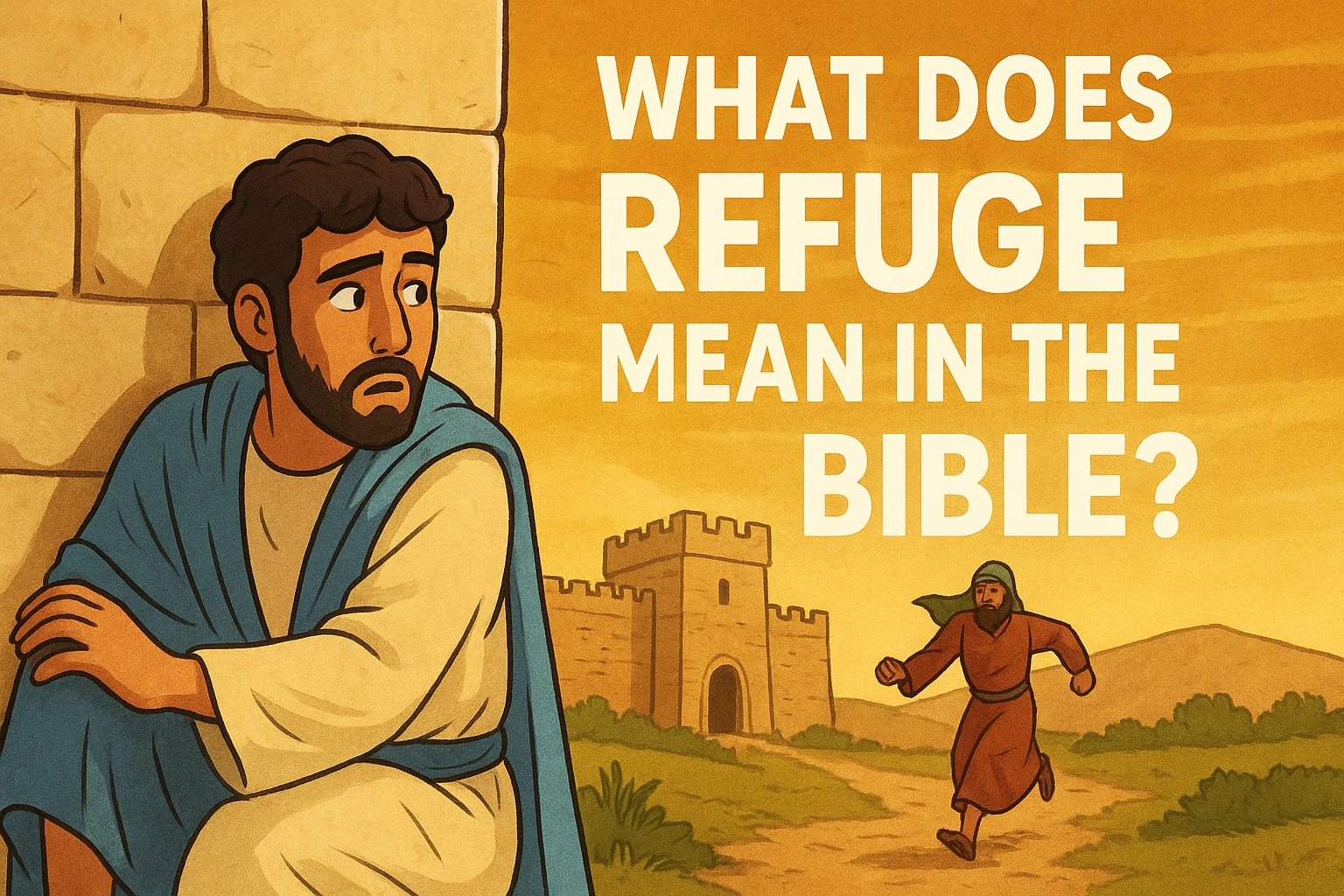
In times of trouble, uncertainty, or fear, many seek a place of safety or comfort. The concept of refuge is deeply woven into the fabric of the Bible, serving as a powerful symbol of God’s protection and care for His people. This article explores what it means to find refuge in the Bible, examining key passages and their significance in the life of believers.
In the biblical context, “refuge” refers to a safe place or shelter, often associated with God Himself. It signifies a haven from danger, a source of strength, and a comforting presence during life’s storms. The term is used throughout Scripture to convey the idea that God is a protector who offers safety and peace to those who trust in Him.
Understanding Refuge in the Old Testament
The Old Testament is rich with imagery and language that convey the concept of refuge. One of the most notable examples is found in the Psalms, where David frequently expresses his reliance on God as his refuge.
Psalms as a Source of Comfort
In Psalm 46:1, it is stated, “God is our refuge and strength, always ready to help in times of trouble.” This verse encapsulates the essence of refuge—God is not only a safe place but also a source of strength during difficult times. David often turned to God in prayer, seeking solace and safety in His presence.
Another significant passage is Psalm 91:1-2, which says, “Those who live in the secret place of the Most High will find rest in the shadow of the Almighty. This I declare about the Lord: He alone is my refuge, my place of safety; He is my God, and I trust Him.” Here, the “secret place” represents an intimate relationship with God, where believers find both rest and security.
The Cities of Refuge
The concept of refuge is also illustrated through the Cities of Refuge established in the Old Testament. According to Numbers 35, these cities were designated places where individuals who accidentally caused harm could flee for safety. The Cities of Refuge provided protection from the avenger of blood until a fair trial could take place. This system underscored the idea that God cares about justice and mercy, allowing for the possibility of redemption even in dire circumstances.
Symbolism of the Cities of Refuge
The Cities of Refuge symbolize not only physical safety but also spiritual refuge. They remind believers that God provides a way for us to escape the consequences of our sins through Jesus Christ. As believers, we can find shelter in Christ, who fulfills the ultimate role of our refuge. Just as the cities provided safety from physical harm, Jesus offers protection from spiritual death.
Refuge in the New Testament
The New Testament continues the theme of refuge, emphasizing the relationship between Jesus and those who seek Him for safety. Jesus often spoke of His role as a protector and savior.
Jesus as Our Refuge
In Matthew 11:28-30, Jesus invites the weary and burdened to come to Him for rest: “Come to me, all of you who are weary and carry heavy burdens, and I will give you rest.” This invitation signifies that Jesus is not only a refuge but also a source of peace for those who are struggling. By coming to Him, individuals can find solace from their troubles and burdens.
The Assurance of God’s Protection
In Romans 8:38-39, the Apostle Paul reassures believers of God’s unwavering love and protection: “And I am convinced that nothing can ever separate us from God’s love.” This passage highlights that our refuge in God is secure and everlasting, as nothing in all creation can separate us from His love. This assurance provides comfort and strength, reminding believers that they are never alone in their struggles.
The Role of Faith in Finding Refuge
Finding refuge in God requires an element of faith. Trusting in God’s promises and His character is essential for experiencing the safety and comfort He offers. Hebrews 11:1 defines faith as “the confidence that what we hope for will actually happen; it gives us assurance about things we cannot see.” When believers place their trust in God, they can experience the refuge He provides, even in uncertain circumstances.
Active Trust and Dependence
Faith is not merely an intellectual agreement; it is an active trust that leads to dependence on God. Proverbs 18:10 states, “The name of the Lord is a strong fortress; the godly run to Him and are safe.” This verse illustrates the importance of seeking refuge actively. When believers face challenges or fears, they are encouraged to run to God, relying on His strength and protection.
As we explore the meaning of refuge in the Bible, it becomes clear that it encompasses both physical and spiritual dimensions. God is portrayed as a protector, offering safety and peace to those who trust in Him. Through the Psalms, the Cities of Refuge, and the teachings of Jesus, believers are reminded that they can find true refuge in their relationship with God.
The Nature of Divine Refuge
Understanding refuge in the Bible goes beyond mere safety; it encompasses the nature of God’s character. The concept of refuge is closely tied to God’s attributes of love, mercy, and faithfulness. When believers seek refuge in God, they are not merely looking for a place of escape; they are seeking a relationship with the One who is inherently good and just.
God’s Promises of Protection
Throughout Scripture, God reassures His people of His protective nature. In Isaiah 41:10, He declares, “Do not be afraid, for I am with you. Do not be discouraged, for I am your God. I will strengthen you and help you; I will uphold you with my righteous right hand.” This verse highlights that refuge in God is accompanied by His active involvement in the lives of believers. It emphasizes that God’s protection is not passive; He actively strengthens and helps those who seek Him.
The Personal Nature of Refuge
Finding refuge in God is a deeply personal experience. Each believer’s journey to understanding refuge may look different, but the core truth remains the same: God desires an intimate relationship with His creation. The Psalms often reflect this personal connection. For instance, Psalm 62:8 encourages believers to “trust in Him at all times, you people; pour out your hearts to Him, for God is our refuge.” This invitation to share one’s heart with God shows that seeking refuge involves vulnerability and openness.
Refuge in Times of Crisis
Life is filled with crises that can shake a person’s foundation. Whether it is a personal loss, a health scare, or societal unrest, the need for refuge can feel overwhelming. The Bible offers numerous examples of individuals who turned to God during their darkest moments. For instance, in 1 Samuel 30, David faced a dire situation when his city was attacked, and his men were devastated. In that crisis, he sought the Lord’s guidance and found strength and refuge in God’s presence.
Prayer as a Means of Finding Refuge
Prayer is a vital means of finding refuge in God. It serves as a channel through which believers communicate their fears, hopes, and needs. Philippians 4:6-7 encourages believers not to be anxious but to present their requests to God through prayer. The promise that follows is profound: “And the peace of God, which transcends all understanding, will guard your hearts and your minds in Christ Jesus.” This illustrates that prayer not only brings a sense of refuge but also invites God’s peace into tumultuous situations.
Community as a Source of Refuge
While personal refuge in God is essential, the Bible also emphasizes the role of community in providing refuge. Believers are called to support one another in times of trouble. Galatians 6:2 urges Christians to “carry each other’s burdens, and in this way, you will fulfill the law of Christ.” This highlights that God often works through His people to offer comfort and safety. The church becomes a refuge where individuals can find support, prayer, and encouragement.
Encouragement from Fellow Believers
The act of sharing burdens within a community fosters a sense of belonging and safety. When one person is struggling, others can step in to provide the refuge needed. This mutual support reflects God’s love and care, reinforcing the idea that we do not have to navigate our challenges alone. Therefore, being part of a community of faith can be an essential aspect of experiencing God’s refuge in our lives.
Refuge Beyond Earthly Life
The Bible also teaches that the concept of refuge extends beyond this earthly existence. For believers, the ultimate refuge is found in eternal life with God. John 14:2-3 reassures believers that Jesus has prepared a place for them in His Father’s house. This promise of eternal refuge offers comfort amid life’s temporary struggles. The hope of a future with God provides a profound sense of peace and assurance that transcends earthly troubles.
Living in Light of Eternal Refuge
Understanding that refuge is not just for the present moment but also for eternity shifts the perspective of believers. It encourages them to live boldly in faith, knowing that their ultimate safety is secured in Christ. This hope can inspire courage in the face of adversity and empower believers to share the message of refuge with others who are seeking safety and peace.
Questions for Reflection
As we conclude our exploration of refuge in the Bible, it is essential to reflect on some meaningful questions:
- What specific areas of your life do you need to seek refuge in God?
- How can you actively cultivate a deeper relationship with God to experience His protective nature?
- In what ways can you extend the concept of refuge to others in your community?
- How does the promise of eternal refuge influence your daily life and decisions?
By engaging with these questions, believers can deepen their understanding of what it means to find refuge in God and how to apply this truth in their lives.
Conclusion: Embracing God as Our Refuge
In conclusion, the concept of refuge in the Bible is a multifaceted theme that encompasses God’s protection, love, and relationship with His people. It invites believers to seek safety and strength in Him, whether in times of crisis, through prayer, or within the community. Ultimately, God is a refuge that offers peace, assurance, and hope that surpasses all understanding. As believers embrace this truth, they can confidently navigate the challenges of life, knowing that they are secure in the arms of their loving Savior.
For further exploration of related topics, you can read about the importance of community in faith at this article and discover how prayer can enhance your relationship with God in this resource.