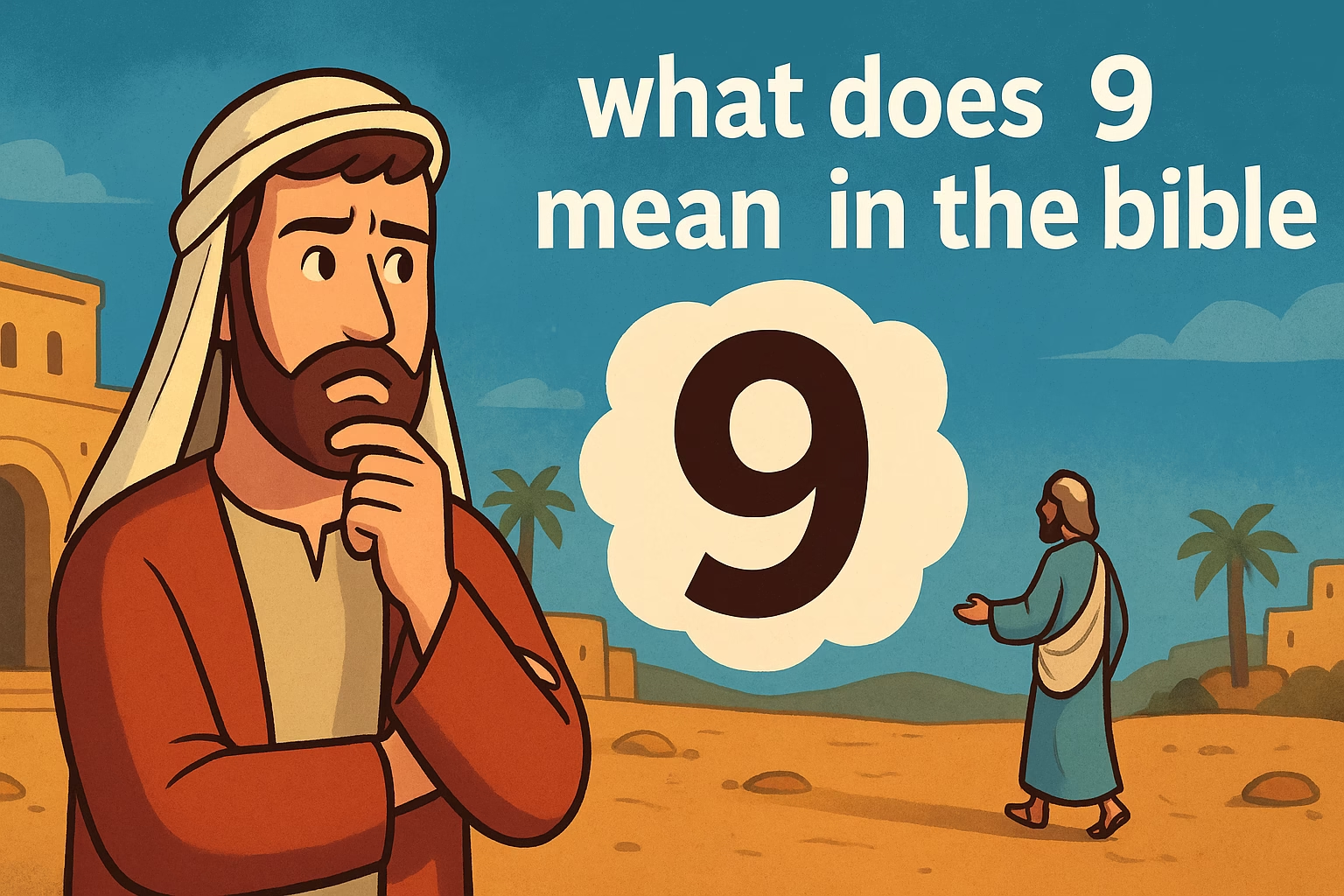
The number nine holds significant meaning in the Bible, often symbolizing completeness or finality. Throughout Scripture, numbers frequently carry deeper meanings beyond their numerical value, and nine is no exception. In this article, we will explore various biblical references and interpretations of the number nine, examining its implications in both the Old and New Testaments.
The number nine is significant in the Bible for several reasons, primarily relating to the themes of divine judgment and the fulfillment of God’s promises. It is associated with the fruits of the Spirit, as listed in Galatians 5:22-23, and it appears in various contexts that highlight its spiritual importance.
Significance of Nine in the Bible
Fruits of the Spirit
One of the most notable references to the number nine in the Bible is found in Galatians 5:22-23, where the Apostle Paul lists the fruits of the Spirit. These fruits are love, joy, peace, patience, kindness, goodness, faithfulness, gentleness, and self-control. There are nine distinct attributes that represent the characteristics of a life led by the Holy Spirit.
This list emphasizes the completeness of the character traits that a believer should exhibit. Each fruit is essential for spiritual growth and reflects the nature of Christ. When we embody these traits, we demonstrate the work of the Holy Spirit in our lives.
The Nine Plagues of Egypt
In the book of Exodus, God unleashed ten plagues upon Egypt to persuade Pharaoh to release the Israelites from slavery. Interestingly, the first nine plagues serve as a prelude to the final and most devastating plague—the death of the firstborn (Exodus 12:29). Each of these nine plagues demonstrates God’s power and serves as a warning to Pharaoh.
The nine plagues include:
- Water turned to blood
- Frogs
- Gnats
- Flies
- Livestock disease
- Boils
- Hail
- Locusts
- Darkness
These plagues illustrate God’s judgment against the Egyptian gods and the consequences of disobedience. The number nine, in this context, signifies the approach of final judgment, culminating in the ultimate act of deliverance for the Israelites.
The Nine Gifts of the Spirit
Similar to the fruits of the Spirit, the Apostle Paul also mentions nine gifts of the Spirit in 1 Corinthians 12:8-10. These gifts include:
- Wisdom
- Knowledge
- Faith
- Healing
- Miracles
- Prophecy
- Discerning of spirits
- Speaking in tongues
- Interpretation of tongues
These gifts are given to believers for the edification of the church and the glorification of God. The number nine here signifies the diverse ways in which the Holy Spirit empowers believers to serve and minister to others. Each gift plays a crucial role in the functioning of the church body, emphasizing the completeness of God’s provision for His people.
Instances of Nine in Biblical Narratives
The Nine Generations of Adam to Noah
The genealogies in the Bible often carry significant meaning. In Genesis 5, we see the genealogy from Adam to Noah, which includes nine generations. This genealogy highlights the progression of humanity from creation to the point of judgment through the flood. Each name in the lineage carries weight, representing God’s plan for redemption through Noah, who would ultimately preserve humanity.
This lineage also emphasizes God’s patience and mercy, as He allowed generations to pass before bringing judgment. The number nine, in this case, reflects the theme of divine patience leading to eventual fulfillment.
The Nine Months of Pregnancy
While not explicitly stated in Scripture, the typical duration of human gestation is approximately nine months. This period symbolizes the time of preparation and growth before new life is brought into the world. In a biblical context, this can be seen as a metaphor for spiritual rebirth and the anticipation of God’s promises coming to fruition.
For example, the birth of Jesus, the Messiah, represents the culmination of God’s promises to His people. The nine months of pregnancy can symbolize the divine preparation for the arrival of the Savior, fulfilling prophecies and bringing hope to humanity.
Theological Insights on the Number Nine
Completion and Finality
The number nine is often associated with the themes of completion and finality throughout the Bible. Just as the ninth hour is significant in the New Testament, representing the hour of prayer and divine intervention (Acts 3:1), the number nine reminds believers of the completeness of God’s plans and purposes.
In biblical numerology, the number three represents divine completeness, while the number seven signifies spiritual perfection. The number nine can be understood as a culmination of these themes, indicating that God’s work is complete and perfect in His timing.
Judgment and Deliverance
As seen in the plagues of Egypt, the number nine can also represent the seriousness of divine judgment. The nine plagues served as warnings to Pharaoh and the Egyptians, demonstrating God’s power and authority. However, they also pointed toward the ultimate deliverance of the Israelites.
This duality of judgment and deliverance is a recurring theme in Scripture. The number nine reminds believers that God’s judgment is not arbitrary but serves a purpose in His redemptive plan. It emphasizes the importance of heeding God’s warnings and recognizing His sovereignty over all creation.
In summary, the number nine in the Bible encapsulates themes of completeness, divine judgment, and fulfillment of God’s promises. Through the fruits of the Spirit, the plagues of Egypt, the gifts of the Spirit, and various biblical narratives, we see how this number plays a significant role in conveying deeper spiritual truths. Understanding the significance of nine can enhance our appreciation for the richness of Scripture and God’s unfolding plan for humanity.
Exploring Nine in the Context of Covenant and Promise
The Nine Covenants in Scripture
In biblical theology, the concept of covenant is foundational, representing the agreements God made with humanity. While the number of major covenants varies depending on interpretation, some theologians identify nine significant covenants throughout Scripture. These include:
- The Noahic Covenant (Genesis 9:8-17)
- The Abrahamic Covenant (Genesis 12:1-3)
- The Mosaic Covenant (Exodus 19-24)
- The Priestly Covenant (Numbers 25:10-13)
- The Davidic Covenant (2 Samuel 7:12-16)
- The New Covenant (Jeremiah 31:31-34)
- The Covenant of Peace (Ezekiel 37:26)
- The Covenant of Redemption (Ephesians 1:4-6)
- The Covenant of Grace (Romans 11:6)
Each of these covenants plays a crucial role in the unfolding narrative of salvation history. The number nine, in this context, signifies the completeness of God’s promises and His unfailing commitment to humanity. It highlights the multifaceted nature of God’s relationship with His creation, emphasizing that His covenants are designed for our ultimate good and His glory.
The Nine Beatitudes
In the Sermon on the Mount, Jesus delivered a series of blessings known as the Beatitudes (Matthew 5:3-12). While traditionally counted as eight, some consider the ninth blessing to be a summary of the previous eight, emphasizing the comprehensive nature of the blessings bestowed upon those who follow Christ. The Beatitudes highlight the values of the Kingdom of God and illustrate the character traits that should define believers.
This ninth blessing serves as a reminder that those who endure persecution for righteousness’ sake are particularly favored in the eyes of God. Thus, the number nine in this context emphasizes the fullness of God’s blessings and the richness of His grace extended to those who walk in faith.
Nine in Relation to Spiritual Warfare
The Nine Principles of Spiritual Warfare
In discussing spiritual warfare, some Christian teachings outline nine key principles for believers to engage effectively in the battle against spiritual forces. These principles can include:
- Understanding your identity in Christ
- Putting on the full armor of God (Ephesians 6:10-18)
- Prayer and intercession
- Scripture meditation and application
- Resisting temptation
- Seeking accountability and community
- Exercising faith
- Practicing forgiveness
- Embracing worship as a weapon
These principles emphasize the completeness of the believer’s preparation for spiritual battles. The number nine signifies that God has provided all necessary tools and strategies for victory, encouraging believers to engage in the fight with confidence and reliance on His strength.
The Nine Commandments of Love
While the Bible primarily outlines ten commandments, some teachings suggest a focus on nine key commandments that encapsulate the essence of loving God and loving others. These can include:
- Love the Lord your God with all your heart
- Do not make idols
- Do not misuse the name of the Lord
- Observe the Sabbath
- Honor your father and mother
- Do not murder
- Do not commit adultery
- Do not steal
- Do not bear false witness
This reframing highlights the completeness of God’s moral law, illustrating how love underpins all commandments. The number nine reinforces the idea that God’s laws are not merely rules but are rooted in His desire for relationship and community among His people.
Reflecting on the Number Nine in Personal Faith
Questions for Personal Reflection
Understanding the significance of the number nine in the Bible can lead to deeper personal reflection. Here are some questions to consider:
- How do the fruits of the Spirit manifest in my life? Are there areas where I need to grow?
- What covenants has God made with me, and how do they impact my daily walk of faith?
- In what ways do I see God’s judgment and deliverance in my life experiences?
- How can I apply the principles of spiritual warfare to my current challenges?
- Am I living out the commandments of love in my relationships with others?
These questions can serve as a guide for prayer and meditation, helping believers to align their lives with the truths reflected in Scripture regarding the number nine.
Conclusion: Embracing the Completeness of God’s Work
The number nine in the Bible encapsulates a rich tapestry of themes, including completeness, divine judgment, and the fulfillment of God’s promises. From the fruits and gifts of the Spirit to the significant covenants and principles of faith, the number nine serves as a reminder of God’s comprehensive plans for His people. By recognizing the significance of this number, believers can deepen their understanding of Scripture and enhance their spiritual journey, embracing the fullness of God’s work in their lives.
For further exploration on biblical numerology, consider reading about the significance of other numbers in Scripture, such as the number seven, which often represents spiritual perfection. Also, insights into the fruits of the Spirit can help you understand how to cultivate these traits in your life. Check out this article on the significance of biblical numbers and this one on the fruits of the Spirit for more insights.