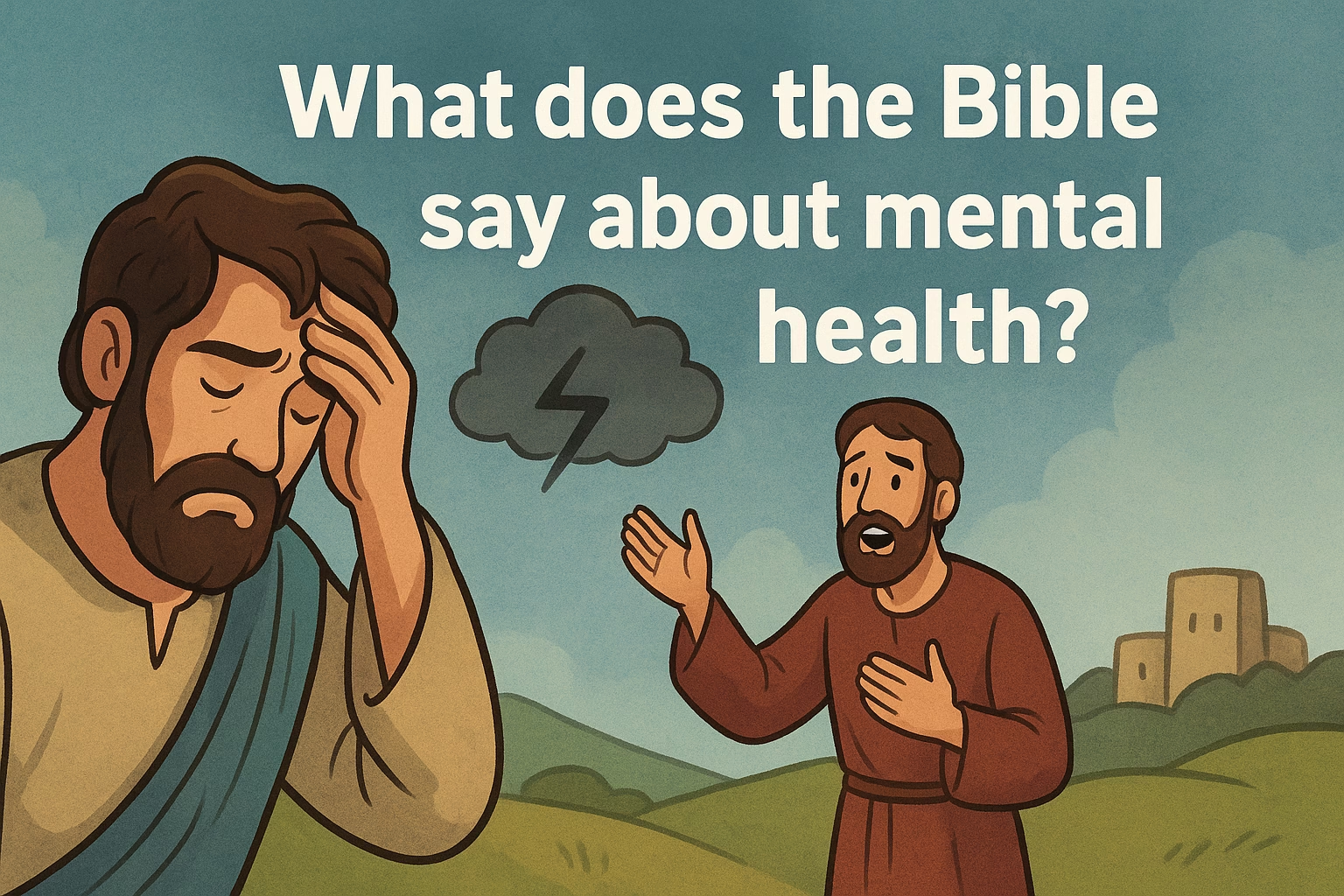
The topic of mental health is increasingly recognized as important in our society today. As Christians, many of us may wonder what the Bible says about mental health and how we can find guidance in Scripture to navigate our own struggles or those of others. The Bible, while not a clinical manual, offers wisdom and insight that can be applied to our mental and emotional well-being.
Throughout Scripture, we see various references to mental health, emotional struggles, and the importance of caring for our minds and hearts. From the Psalms to the letters of Paul, the Bible addresses feelings of anxiety, despair, and distress, providing both comfort and practical advice. Let’s explore some key passages and themes that speak to mental health from a biblical perspective.
Understanding Anxiety and Worry
Anxiety is a common struggle for many people, and the Bible acknowledges this reality. In Philippians 4:6-7, Paul encourages believers not to be anxious but to present their requests to God through prayer. He says, “Don’t worry about anything; instead, pray about everything. Tell God what you need, and thank him for all he has done. Then you
The Role of Community in Mental Health
The Bible emphasizes the importance of community and relationships in maintaining mental health. In Galatians 6:2, Paul instructs believers to “Carry each other’s burdens, and in this way, you will fulfill the law of Christ.” This highlights the value of sharing our struggles with others. When we are open about our mental health challenges, we can find support and encouragement from fellow believers. Community can provide practical help, emotional support, and spiritual encouragement, which are crucial for healing and resilience.
Moreover, the early church exemplified this communal approach. Acts 2:44-47 describes how believers shared everything they had and supported one another. This model encourages Christians to create environments where individuals feel safe to express their vulnerabilities without judgment. Connecting with others can alleviate feelings of isolation and despair, enhancing overall mental well-being.
Prayer and Meditation as Tools for Mental Health
The Bible frequently encourages prayer and meditation as vital practices for mental health. In Psalm 46:10, God invites us to “Be still, and know that I am God.” This stillness fosters a sense of peace and tranquility, which can be particularly beneficial during times of anxiety. Prayer allows individuals to communicate their fears and concerns to God, providing a release and an opportunity to receive divine comfort.
Additionally, meditation on Scripture can bring clarity and peace. The practice of reflecting on God’s Word helps to redirect our thoughts away from negativity and anxiety. Philippians 4:8 encourages believers to think about things that are true, noble, and praiseworthy. This focus can significantly impact mental health by promoting a more positive mindset and reducing the power of anxiety and fear.
Hope and Healing Through Faith
Faith plays a crucial role in mental health, offering hope and healing. The Bible teaches that God is intimately involved in our struggles. In 2 Corinthians 1:3-4, Paul describes God as the “Father of compassion and the God of all comfort.” This assurance can provide solace to those facing mental health challenges. Believers can find hope in knowing they are not alone and that God understands their pain.
Furthermore, the story of Job illustrates the complexity of suffering and faith. Job endured immense loss and despair yet ultimately found restoration and hope through his relationship with God. This narrative reassures believers that even in our darkest moments, there is potential for healing and renewal through faith. Understanding that struggles are a part of the human experience can help alleviate feelings of shame or isolation.
Practical Steps for Mental Wellness
The Bible offers practical wisdom that can guide individuals toward better mental health. For instance, Proverbs 17:22 states, “A cheerful heart is good medicine, but a crushed spirit dries up the bones.” This verse emphasizes the importance of joy and a positive outlook. Engaging in activities that foster joy—such as spending time with loved ones, serving others, or enjoying nature—can contribute to overall well-being.
Additionally, the Bible encourages self-care. In 1 Corinthians 6:19-20, Paul reminds believers that their bodies are temples of the Holy Spirit, which implies a responsibility to care for oneself, including mental health. This can mean seeking professional help when needed, practicing healthy habits, and setting boundaries to protect one’s mental state.
Seeking Professional Help
While the Bible offers spiritual guidance, it is important to acknowledge that mental health issues can require professional intervention. Seeking help from a counselor or therapist does not contradict faith; rather, it can be seen as a proactive step in caring for oneself. James 1:5 encourages believers to ask for wisdom, and this includes seeking knowledge from trained professionals who can provide support and strategies for coping with mental health challenges.
Combining biblical principles with professional help can lead to a holistic approach to mental health. It is essential to remember that God can work through various means, including therapy and medication, to bring about healing and restoration.
Conclusion: Embracing God’s Peace
In conclusion, the Bible offers a wealth of wisdom regarding mental health, emphasizing the importance of community, prayer, faith, and practical steps toward wellness. By embracing God’s peace and the support of others, individuals can navigate their mental health journeys with hope and resilience. It is vital to remember that struggles with mental health are not a sign of weak faith but rather a part of the human experience. As believers, we can find comfort in God’s promises and the community of faith while also seeking the help we need to heal and thrive.
For further exploration of mental health topics, you can read more about how to integrate faith with self-care in your life at this article on self-care, and discover additional biblical insights on mental wellness in this resource about faith and mental health.