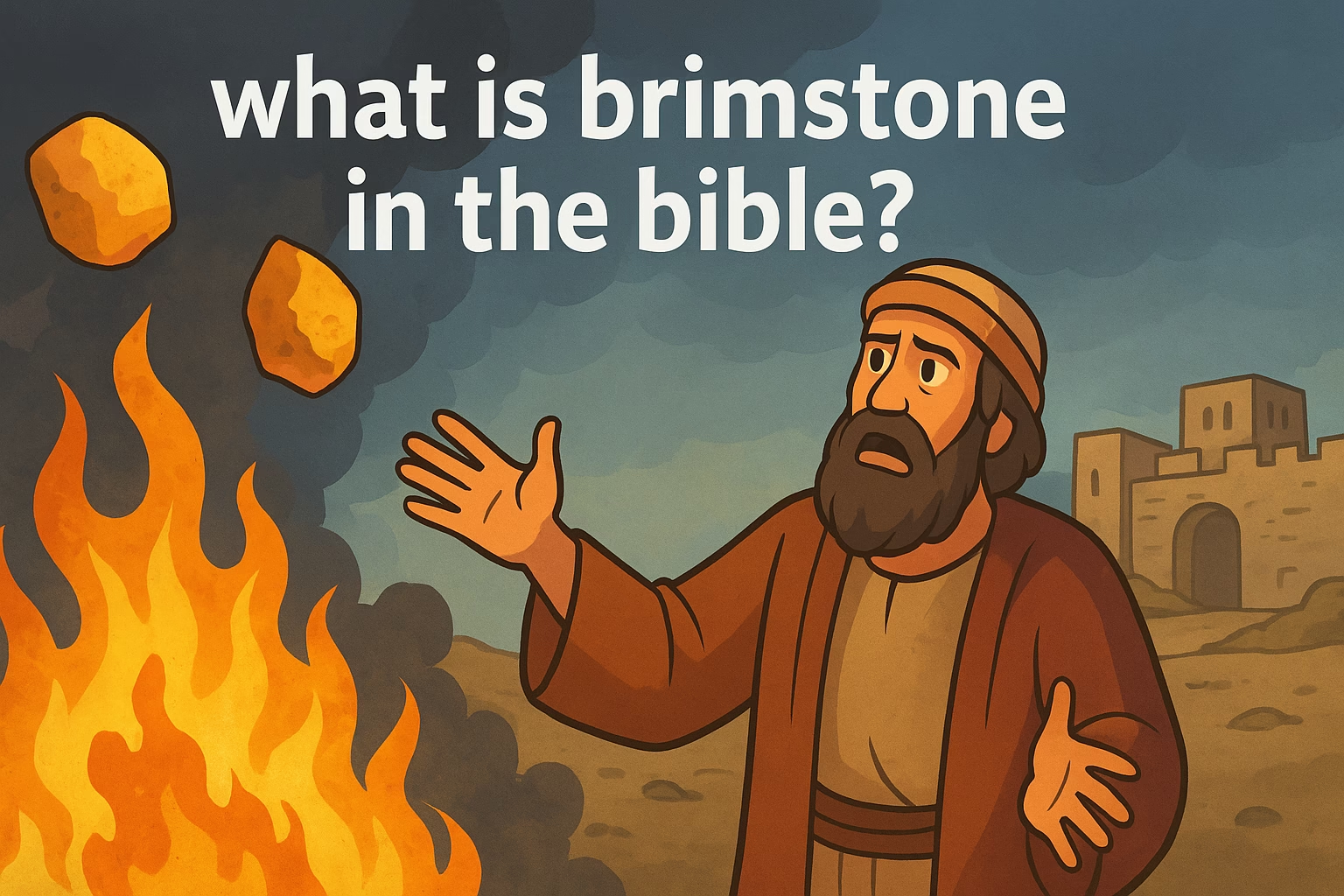
Brimstone is a term that often raises questions among readers of the Bible. This word appears in various contexts throughout Scripture, typically associated with divine judgment and destruction. Understanding brimstone’s meaning and significance can provide deeper insights into the themes of God’s justice and the consequences of sin.
In biblical terms, brimstone is most commonly identified with sulfur, a chemical element known for its pungent smell and flammability. The association of brimstone with fire and sulfur is significant, particularly in the context of God’s wrath and judgment. The term appears primarily in the Old Testament, but it also holds relevance in the New Testament.
Brimstone in the Old Testament
The most notable mention of brimstone in the Old Testament occurs in the account of Sodom and Gomorrah. In Genesis 19:24, it states, “Then the LORD rained down burning sulfur on Sodom and Gomorrah—from the LORD out of the heavens.” This passage illustrates the destructive power of God’s judgment against the wickedness of these cities. The use of brimstone here symbolizes not only the physical destruction but also the moral decay and the severe consequences of sin.
The Symbolism of Brimstone
Brimstone is often associated with fire, which carries deep symbolic meaning in the Bible. Fire is frequently depicted as a purifying agent, representing God’s holiness and justice. In the case of Sodom and Gomorrah, the brimstone signifies the ultimate judgment on a society that had turned away from God’s ways. The imagery serves as a warning about the seriousness of sin and the need for repentance.
Brimstone in the New Testament
In the New Testament, brimstone continues to be linked with divine judgment. In Revelation 21:8, it states, “But cowards, unbelievers, the corrupt, and murderers, the immoral, those who practice witchcraft, idol worshipers, and all liars—their fate is in the fiery
Brimstone and Its Theological Implications
Brimstone’s significance extends beyond mere destruction; it embodies profound theological implications about God’s nature and human sinfulness. The use of brimstone in biblical narratives often serves as a reminder of God’s holiness and the severity of His judgment against sin. It demonstrates that while God is loving and merciful, He is also just and cannot overlook wrongdoing.
This duality reflects the nature of God as portrayed throughout the Bible. For instance, in Exodus 34:7, God is described as one who “will not leave the guilty unpunished.” The presence of brimstone in stories of judgment emphasizes that divine justice is an essential aspect of God’s character. It invites believers to reflect on their own lives and the seriousness of sin, encouraging a heart of repentance.
Brimstone and Eschatology
In eschatological discussions, brimstone takes on an even more significant role. The imagery of brimstone is often associated with the final judgment and the fate of the unrepentant. Revelation 20:10 speaks of the devil being thrown into the lake of fire and brimstone, a place prepared for eternal punishment. This imagery serves to warn believers of the consequences of a life lived apart from God.
The concept of brimstone in the context of eschatology can provoke meaningful questions: What does it mean for the final judgment to include fire and brimstone? How should this influence our understanding of God’s grace and mercy? The presence of brimstone in the end times narrative serves as a stark reminder of the reality of hell and the eternal consequences of sin.
Brimstone in Literature and Culture
Brimstone has also permeated literature and culture, often appearing in discussions about morality, sin, and judgment. Many authors and theologians have drawn on the imagery of brimstone to convey moral lessons or warnings about the consequences of straying from divine principles. In popular culture, references to brimstone often evoke images of hellfire and damnation, reinforcing the biblical themes of judgment.
Exploring these cultural references can provide insight into how the concept of brimstone has influenced societal views on sin and punishment. It raises the question of how modern interpretations of brimstone align with or diverge from biblical teachings. Are these cultural depictions accurate representations of biblical truth, or do they misinterpret the essence of God’s judgment?
Brimstone and Repentance
The association of brimstone with divine judgment brings forward the theme of repentance. Understanding the consequences of sin, as symbolized by brimstone, can lead individuals to seek forgiveness and a closer relationship with God. The biblical narrative consistently emphasizes that while judgment is certain, God’s desire is for all to repent and turn back to Him.
In 2 Peter 3:9, it states that God is patient, not wanting anyone to perish but for everyone to come to repentance. This verse highlights the importance of recognizing the seriousness of sin while also embracing the hope of redemption. The imagery of brimstone can serve as a catalyst for self-examination and spiritual growth, prompting believers to assess their lives in the light of God’s holiness.
Contemporary Understanding of Brimstone
In contemporary Christian thought, the concept of brimstone may be viewed through different lenses. Some may emphasize God’s love and mercy, focusing on His desire to save rather than condemn. Others may highlight the need for a balanced understanding that includes the reality of judgment. This balance is essential for a holistic view of God’s character.
As believers engage with the topic of brimstone today, it is important to consider how this understanding shapes their faith and witness. How does recognizing the implications of brimstone influence our conversations about sin and salvation? How can we communicate the seriousness of God’s judgment while also sharing the hope found in Christ? These questions are crucial for fostering a faith that is both grounded in truth and overflowing with grace.
Conclusion: Embracing the Message of Brimstone
In conclusion, brimstone in the Bible serves as a powerful symbol of God’s judgment and the consequences of sin. It invites readers to reflect on their own lives and the importance of repentance. While the imagery of brimstone may provoke fear, it also underscores the hope found in God’s mercy and grace. By understanding the significance of brimstone, believers can better appreciate the depth of God’s justice and the joy of salvation through Christ.
Ultimately, the message of brimstone encourages a faithful response to God’s call for righteousness and reconciliation. As believers embrace this understanding, they can navigate the complexities of faith with a renewed sense of purpose, sharing the truth of God’s Word with love and compassion.
For further exploration of biblical themes related to sin and judgment, you can read about the nature of God’s justice and how it connects to our understanding of grace and mercy in the Christian faith. Additionally, consider examining the concept of repentance and its crucial role in the life of a believer.