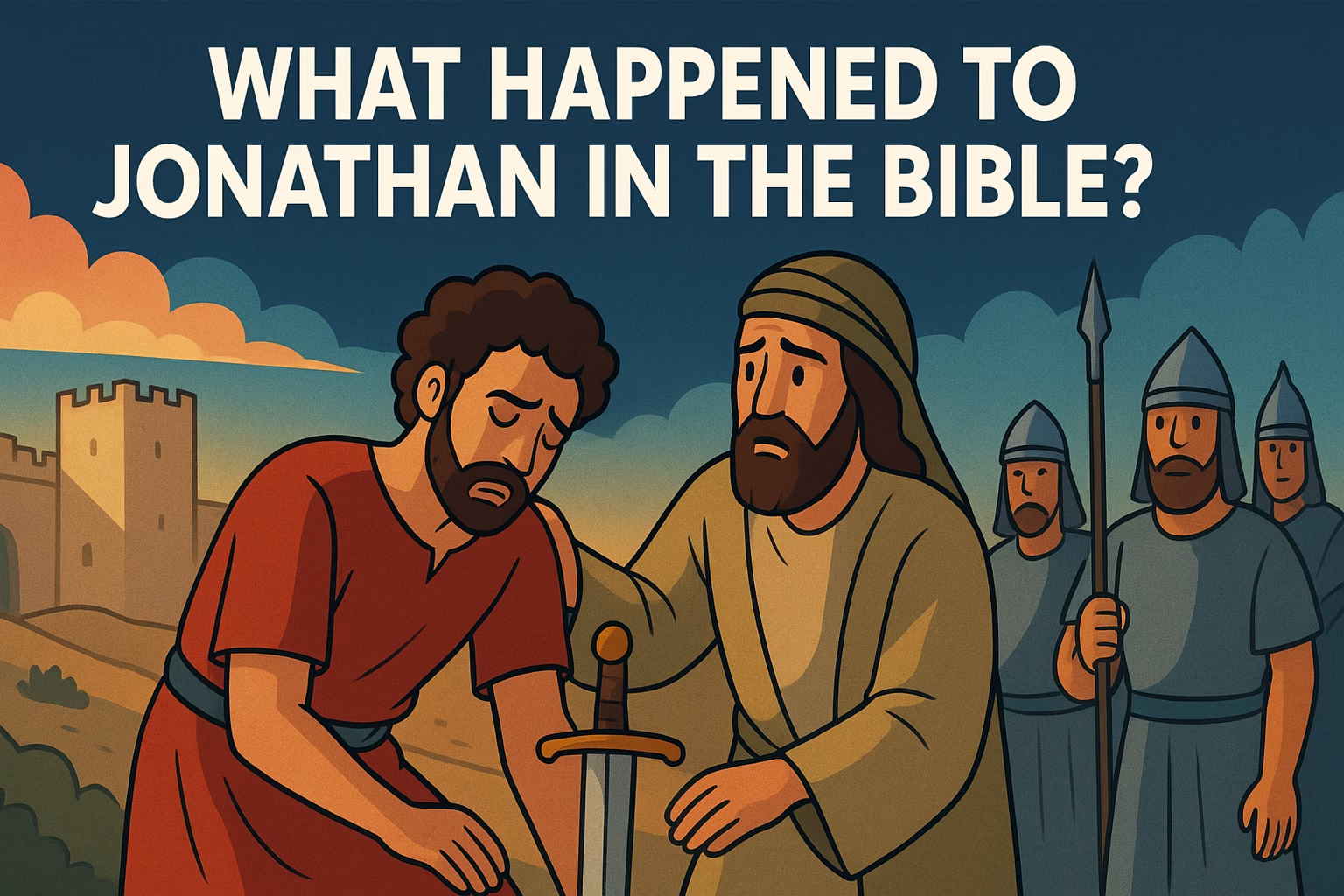
Jonathan, the son of King Saul, is a significant figure in the Bible, known for his deep friendship with David and his loyalty to God. His story is woven throughout the books of 1 Samuel and 2 Samuel, illustrating themes of friendship, loyalty, and the struggle for power within the context of ancient Israel. In this article, we will explore what happened to Jonathan, looking at key moments in his life and the circumstances that led to his eventual fate.
Jonathan’s journey begins in 1 Samuel, where he is introduced as a brave warrior and a man of integrity. He is notably recognized for his friendship with David, which becomes a focal point of his narrative. As the story unfolds, we see Jonathan’s loyalty to his father, King Saul, and his commitment to God’s chosen king, David. Ultimately, his life takes a tragic turn, culminating in his death during a battle against the Philistines.
Jonathan’s Early Life and Friendship with David
Jonathan was the eldest son of King Saul, the first king of Israel. He was a skilled warrior, as seen in 1 Samuel 14, where he led a successful attack against the Philistines. His bravery and leadership earned him great respect among the Israelites. However, it was his friendship with David that marked his legacy. When David defeated Goliath, Jonathan was immediately drawn to him. The two formed a deep bond, as described in 1 Samuel 18:1-4, where Jonathan loved David as his own soul and made a covenant with him, symbolically sealing their friendship by giving David his royal garments and weapons.
This friendship was tested as Saul’s jealousy towards David grew. Saul perceived David as a threat to his throne, leading him to seek David’s life. Despite this, Jonathan remained loyal to David, warning him of his father’s intentions and helping him escape from Saul’s wrath (1 Samuel 19:1-7). Jonathan’s loyalty to David, even in the face of his father’s animosity, highlights his character and the depth of their friendship.
Jonathan’s Loyalty to His Father
Throughout the escalating conflict between Saul and David, Jonathan’s loyalty to his father was evident. In 1 Samuel 20, Jonathan meets with David to discuss the situation. They devise a plan to determine Saul’s intentions, demonstrating Jonathan’s desire to protect both his father and his friend. Jonathan’s commitment to his father is seen when he attempts to defend David to Saul, arguing that David has done nothing wrong and has only served Saul faithfully (1 Samuel 20:32-34). This moment underscores the internal conflict Jonathan faced, torn between his love for his father and his loyalty to David.
Despite his efforts, Saul’s rage against David only intensified, leading to Jonathan’s heart-wrenching realization that Saul intended to kill David. In a poignant farewell, Jonathan and David reaffirm their covenant of friendship, sealing it with a promise that their descendants would care for each other (1 Samuel 20:41-42). This scene illustrates the profound bond they shared, as well as the sacrifices Jonathan was willing to make for his friend.
The Battle Against the Philistines
The narrative of Jonathan’s life reaches a climax in 1 Samuel 31, during the battle against the Philistines at Mount Gilboa. This battle was disastrous for Saul and his army. As the Philistines pressed their attack, Saul’s forces were overwhelmed. Jonathan fought bravely alongside his father, but the tide of battle was against them.
In the chaos of battle, Saul and Jonathan both faced their fate. The Bible recounts that Jonathan died during this conflict, along with his brothers and Saul himself (1 Samuel 31:2-6). The death of Jonathan is a profound moment in the biblical narrative, marking the end of an era and the tragic loss of a loyal friend and warrior.
The Aftermath of Jonathan’s Death
Following the death of Jonathan, David mourned deeply for his friend. In 2 Samuel 1, David receives the news of Saul’s death and the loss of Jonathan. His lament is heartfelt, expressing his sorrow and love for Jonathan, stating that Jonathan’s love for him was more wonderful than the love of women (2 Samuel 1:26). This lamentation not only highlights the depth of their friendship but also serves as a reminder of the tragic consequences of Saul’s jealousy and the tumultuous times in which they lived.
After Jonathan’s death, David honored his memory by ensuring that Jonathan’s son, Mephibosheth, would be cared for. Mephibosheth was disabled, and David brought him to his palace, restoring to him the land that belonged to Saul (2 Samuel 9). This act of kindness reflects David’s commitment to Jonathan’s legacy and his desire to honor their friendship even after Jonathan’s death.
In summary, Jonathan’s story is one of loyalty, friendship, and tragedy. His deep bond with David and his courageous actions in the face of adversity define his character. Despite the turmoil surrounding him, Jonathan remained true to his values and his friends, ultimately meeting a tragic end in battle. His legacy lives on through the stories of his friendship with David and the impact he had on the nation of Israel.
Jonathan’s Legacy in the Biblical Narrative
Jonathan’s life and actions resonate through the biblical narrative, influencing not only his contemporaries but also future generations. His unwavering loyalty to David, even in the face of familial obligations, serves as a model for friendship and integrity. In a time marked by political intrigue and conflict, Jonathan’s choices reflect the virtues of selflessness and courage.
One significant aspect of Jonathan’s legacy is his role in the transition of power from Saul to David. His willingness to support David, despite the risk to his own position, illustrates a profound understanding of God’s plan for Israel. Jonathan recognized that David was chosen by God to be the next king, and he chose to align himself with that divine purpose rather than cling to the throne that was rightfully his as the king’s son. This decision highlights Jonathan’s faith and commitment to God’s will over personal ambition.
Theological Implications of Jonathan’s Friendship
The friendship between Jonathan and David goes beyond mere companionship; it carries significant theological implications. Their bond exemplifies the kind of love and loyalty that God desires among His people. In the New Testament, Jesus speaks of love and friendship, encouraging His followers to love one another sacrificially (John 15:13). Jonathan’s willingness to protect David and his selfless actions can be seen as a foreshadowing of this commandment.
Additionally, Jonathan’s relationship with David underscores the importance of covenant relationships in the Bible. The covenant they made was not only a personal promise but also a reflection of the covenantal love that God has for His people. This theme of covenant is central to understanding the nature of God’s relationship with humanity, as seen in the covenants made with Abraham, Moses, and ultimately fulfilled in Christ.
Jonathan’s Role in the Struggle for Power
The political landscape of ancient Israel was fraught with tension and rivalry, particularly between the house of Saul and the emerging kingship of David. Jonathan’s position as the heir apparent to the throne placed him in a precarious situation. His loyalty to David can be seen as an act of defiance against his father’s wishes, illustrating the complexity of familial loyalty versus divine destiny.
In 1 Samuel 20, Jonathan’s strategic decisions reveal his understanding of the political realities of his time. By helping David escape Saul’s murderous intentions, Jonathan not only protects his friend but also contributes to the inevitable rise of David as king. This act of political foresight speaks volumes about Jonathan’s character, as it shows he prioritized God’s plan over his own ambitions or familial loyalty.
Questions for Reflection
As we reflect on Jonathan’s life and legacy, several questions arise that can deepen our understanding of his character and the lessons we can learn:
- What does Jonathan’s friendship with David teach us about the nature of true friendship? Consider how loyalty and sacrifice play a role in our relationships today.
- How can we apply Jonathan’s example of selflessness in our own lives? Think about situations where we may need to prioritize others’ well-being over our own interests.
- In what ways can we recognize and support those whom God has chosen for leadership roles? Reflect on how Jonathan supported David, and how we can encourage others in their God-given paths.
- What does Jonathan’s story reveal about God’s sovereignty in human affairs? Explore how God works through our choices and relationships to fulfill His purposes.
Conclusion: The Enduring Impact of Jonathan’s Story
Jonathan’s life is a poignant reminder of the complexities of loyalty, friendship, and divine purpose. His tragic end does not diminish the impact he had on Israel’s history or on David’s life. Instead, it serves as a testament to the depth of his character and the richness of his relationships. By examining Jonathan’s story, we gain valuable insights into the nature of true friendship, the importance of loyalty, and the ways in which God orchestrates events for His glory.
As we continue to study the Bible, let us carry forward the lessons learned from Jonathan’s life, striving to embody the same loyalty and love in our own relationships. His legacy encourages us to seek God’s will above our own, fostering connections that reflect the heart of God. For more insights, visit What is the Sign of Jonah in the Bible and Who Didn’t Die in the Bible.