The Bible is filled with many incredible stories of individuals who faced various challenges, lived remarkable lives, and ultimately met their earthly end. However, there are a few notable figures who are said to have never died, raising intriguing questions about their lives and roles in biblical history. In this article, we will explore these unique individuals and the contexts surrounding their extraordinary experiences.
Two significant figures in the Bible are Enoch and Elijah, both of whom are described as not having experienced death in the traditional sense. Additionally, there is a reference to the possibility of the two witnesses in the Book of Revelation who are believed to be killed and later resurrected. Let’s delve into the stories of Enoch and Elijah, examining the scriptural context and implications of their unique experiences.
Enoch: Walking with God
Enoch is a fascinating character mentioned in the Book of Genesis. According to Genesis 5:21-24, Enoch lived for 365 years, and during his life, he “walked faithfully with God.” This phrase signifies a close relationship with the Lord, indicating that Enoch lived a life of righteousness and devotion. The passage concludes with a remarkable statement: “Then he was no more, because God took him away.” This suggests that Enoch did not experience death as most humans do; instead, God took him directly to Himself.
The significance of Enoch’s experience is further highlighted in Hebrews 11:5, where it is stated that Enoch was taken away so that he would not experience death, and he was commended as one who pleased God. This portrayal emphasizes that Enoch’s life was exemplary, marked by faithfulness and a deep connection to God. His story serves as an encouragement for believers to seek a close walk with God, as Enoch’s life was one of faith that ultimately led to his divine removal from the earth.
Elijah: The Prophet of Fire
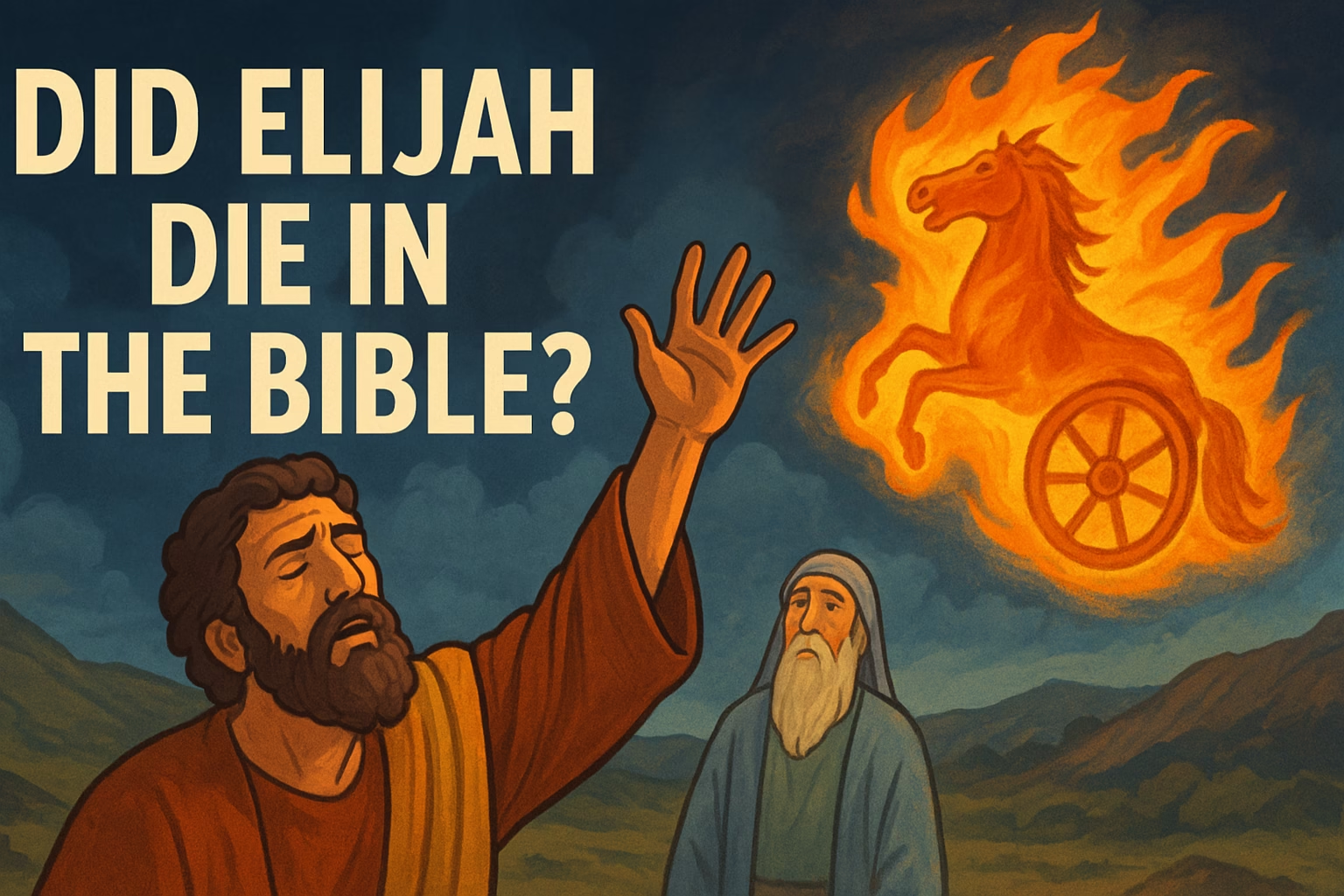
Another prominent figure who did not die is the prophet Elijah. His story is primarily found in 1 Kings 17 through 2 Kings 2. Elijah was a powerful prophet who performed many miracles and stood against the idolatry of Israel during the reign of King Ahab. His life culminated in a dramatic event when he was taken up to heaven in a whirlwind.
In 2 Kings 2:11-12, it is described that as Elijah and his successor Elisha were walking together, a chariot of fire appeared, separating the two men. Elijah was taken up into heaven in a whirlwind, leaving Elisha behind. This account emphasizes the divine nature of Elijah’s departure, confirming that he did not experience death but was instead taken directly to heaven by God.
Elijah’s life and ascension hold great significance in Jewish and Christian traditions. He is often seen as a precursor to John the Baptist and is expected to return before the coming of the Messiah. His story serves as a reminder of God’s power over life and death and the belief in divine intervention in the lives of those who are faithful to Him.
The Two Witnesses: A Future Revelation
In the Book of Revelation, there is a reference to two witnesses who will prophesy during the end times. While their identities are debated among scholars and theologians, many believe that one or both of these witnesses could be Enoch and Elijah, as they are the only two figures in Scripture who did not die. Revelation 11:3-12 describes how these witnesses will proclaim God’s message, perform miracles, and ultimately be killed by the beast that rises from the abyss. However, after three and a half days, they will be resurrected and taken up to heaven, much like Elijah’s ascension.
This prophetic narrative adds an intriguing layer to the discussion about those who did not die in the Bible. It raises questions about the nature of life, death, and resurrection in the biblical context. The two witnesses symbolize God’s ultimate authority and the promise of resurrection, reinforcing the belief that even in death, there is hope for eternal life through faith in God.
Understanding the Context
It is essential to approach the stories of Enoch and Elijah with an understanding of their biblical context. Both figures lived during times of great moral and spiritual decline, and their lives served as powerful testimonies of faithfulness to God. Their unique experiences of being taken by God rather than facing death serve to illustrate the possibility of divine intervention and the hope of eternal life for believers.
Moreover, these accounts challenge the conventional understanding of death and encourage believers to reflect on their relationship with God. The stories of Enoch and Elijah inspire faith and remind readers that God is capable of doing the extraordinary, even in the face of death.
In summary, Enoch and Elijah are two significant biblical figures who did not die in the traditional sense. Their stories provide insight into the nature of faith, divine intervention, and the hope of eternal life, inviting readers to consider their own journeys of faith and the possibility of walking closely with God.
The Implications of Not Dying
The accounts of Enoch and Elijah raise profound questions about the nature of death and divine purpose in the Bible. Their unique experiences emphasize that while death is a common human experience, it does not define the entirety of existence. For believers, the idea that God can intervene in such a dramatic way serves as a powerful reminder of His sovereignty and the hope of eternal life.
In a broader theological context, these stories illustrate the concept of being “taken” by God. This idea prompts reflection on what it means to live a life pleasing to God. Enoch’s close walk with God and Elijah’s unwavering commitment to God’s mission suggest that a deep relationship with the Lord may lead to extraordinary outcomes. It challenges believers to examine their own faith and the depth of their relationship with God.
Parallels in Christian Tradition
Throughout Christian tradition, the stories of Enoch and Elijah have inspired various interpretations and theological insights. Enoch is often associated with themes of righteousness and the importance of living a life in alignment with God’s will. His name is sometimes linked to the concept of the “rapture,” where believers are taken up to meet the Lord without experiencing death, as referenced in 1 Thessalonians 4:16-17. This connection enhances the understanding of Enoch’s experience as a foreshadowing of future events in Christian eschatology.
Similarly, Elijah’s ascension has led to discussions about the role of prophets and the expectation of their return. In Jewish tradition, Elijah is believed to be the forerunner of the Messiah, which is echoed in the New Testament when Jesus refers to John the Baptist as “Elijah” (Matthew 17:10-13). This intertwining of narratives highlights the continuity of God’s plan throughout Scripture, illustrating how those who do not experience death may play significant roles in God’s unfolding story.
Questions for Reflection
As one contemplates the implications of Enoch and Elijah not dying, several questions arise that can deepen personal faith and understanding:
- What does it mean to walk closely with God? Enoch’s life serves as a model for believers. How can individuals cultivate a deeper relationship with God in their daily lives?
- How does the story of Elijah inspire believers to stand firm in their faith? In a world filled with challenges, how can Elijah’s example encourage believers to remain steadfast?
- What does the concept of divine intervention look like in today’s world? Reflect on instances where individuals have experienced God’s presence in extraordinary ways.
- How do the stories of Enoch and Elijah inform one’s understanding of life after death? In what ways can these narratives shape beliefs about eternal life and resurrection?
Theological Interpretations and Controversies
The accounts of Enoch and Elijah have also sparked various theological interpretations and debates. Some scholars argue that their experiences signify a unique relationship with God, while others view them as symbolic representations of faithfulness and divine favor. The absence of death raises questions about the nature of the afterlife and what it means for believers today.
Additionally, the identities of the two witnesses in Revelation remain a topic of discussion among theologians. While many hold that they could be Enoch and Elijah, others suggest different figures or interpretations. This debate highlights the complexity of biblical prophecy and the diverse ways in which Scripture can be understood. The uncertainty surrounding these interpretations invites believers to engage with the text actively, seeking personal understanding and revelation.
The Hope of Resurrection
Ultimately, the stories of Enoch and Elijah invite believers to consider the hope of resurrection and eternal life. Their unique experiences serve as a reminder that death is not the end but rather a transition to something greater. This belief is central to the Christian faith, where the resurrection of Jesus Christ affirms the promise of eternal life for all who believe in Him.
As believers reflect on the lives of Enoch and Elijah, they are encouraged to embrace the hope that their stories represent. The possibility of living in close communion with God, experiencing His divine intervention, and ultimately receiving the gift of eternal life can inspire a deeper commitment to faith and a desire to share that hope with others.
Conclusion: Embracing the Extraordinary
In conclusion, the exploration of those who did not die in the Bible, particularly Enoch and Elijah, offers profound insights into faith, divine intervention, and the hope of eternal life. Their narratives challenge conventional views of death and encourage believers to seek a closer walk with God. By examining these accounts, individuals can find inspiration to deepen their faith and embrace the extraordinary possibilities that God offers. Ultimately, the stories of Enoch and Elijah serve as powerful reminders that, through faith, believers can experience God’s transformative power in their lives, leading to a hopeful future beyond this earthly existence. For more insights, visit Who is Azrael in the Bible? and Who was Anna in the Bible?.