
Martha is a significant figure in the New Testament, known primarily for her close relationship with Jesus and her role in the story of Lazarus. She is often recognized for her hospitality and her interactions with Jesus, which reveal important themes about faith, service, and discipleship. This article will explore who Martha is in the Bible, her background, and her key moments in Scripture.
To understand who Martha is, we first need to look at her family background. Martha is introduced in the Gospels as the sister of Mary and Lazarus, all of whom lived in Bethany, a small village near Jerusalem. The most well-known accounts of Martha are found in the Gospel of John, particularly in chapters 11 and 12, as well as in the Gospel of Luke.
Martha’s Role in the Gospels
The Story of Lazarus
One of the most powerful narratives involving Martha is the story of her brother Lazarus, who falls ill and dies. In John 11, we learn that Jesus receives word of Lazarus’s sickness but delays His visit. By the time Jesus arrives, Lazarus has been dead for four days. Martha meets Jesus and expresses her faith when she says, “Lord, if you had been here, my brother would not have died” (John 11:21, NLT). This statement not only shows her grief but also her belief in Jesus’ power to heal and her understanding of His identity.
In this moment, Jesus responds with one of the most profound declarations in the New Testament, saying, “I am the resurrection and the life” (John 11:25, NLT). Martha acknowledges her belief in Him, declaring, “Yes, Lord, I believe that you are the Messiah, the Son of God” (John 11:27, NLT). This exchange highlights Martha’s faith and her crucial role in the narrative, as it sets the stage for the miraculous resurrection of Lazarus, demonstrating Jesus’ authority over death.
The Dinner at Bethany
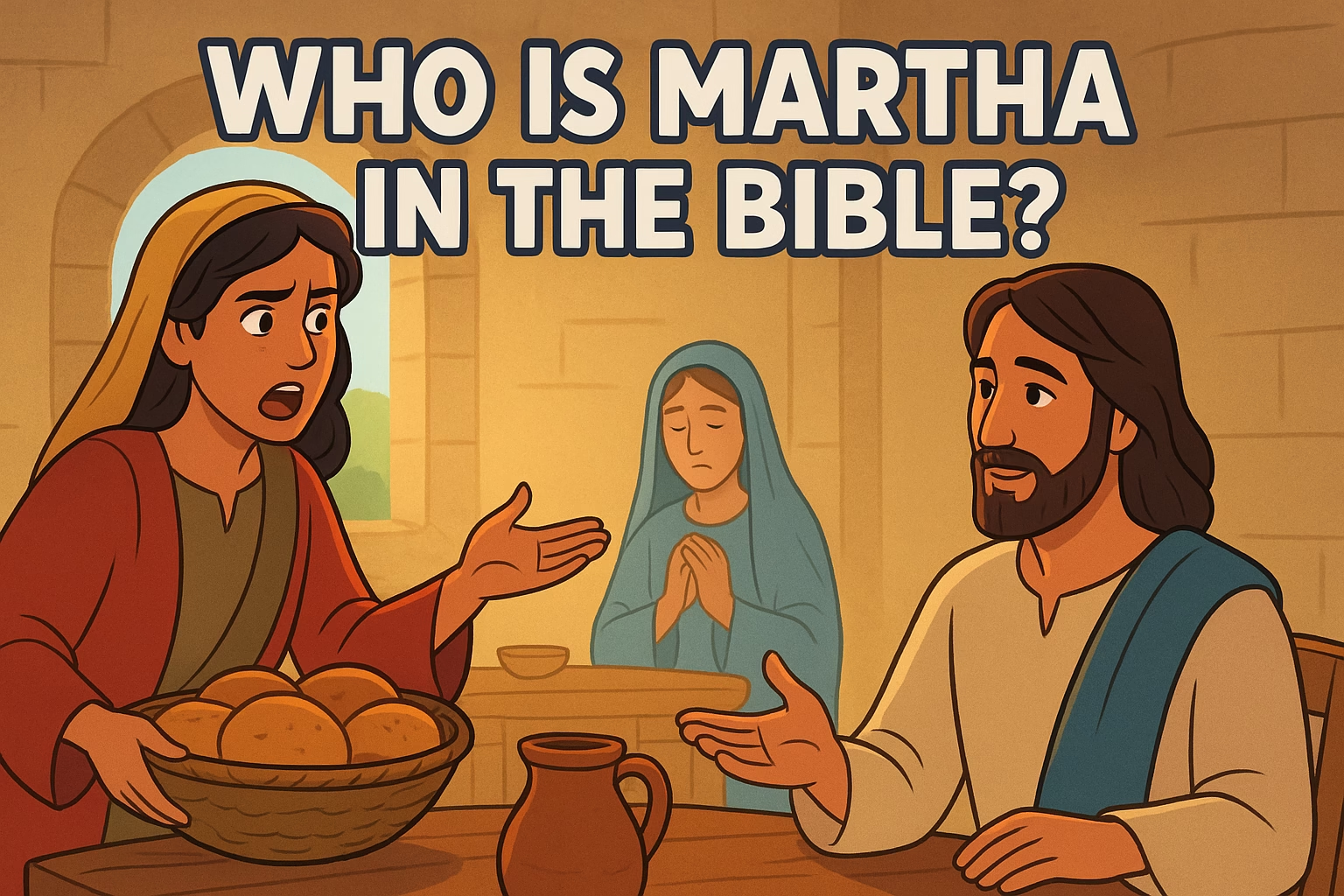
Another significant moment involving Martha occurs in Luke 10:38-42. Here, Martha invites Jesus into her home, and while she is busy preparing and serving, her sister Mary sits at Jesus’ feet, listening to His teaching. Frustrated by her workload, Martha approaches Jesus and asks Him to tell Mary to help her. Jesus gently replies, “Martha, Martha, you are worried and upset about many things, but few things are needed—or indeed only one. Mary has chosen what is better, and it will not be taken away from her” (Luke 10:41-42, NLT).
This story illustrates a key aspect of Martha’s character: her desire to serve and care for others. However, it also highlights the importance of spiritual nourishment over mere busyness. Jesus’ response encourages Martha—and readers—to prioritize time spent with Him and to seek a balance between service and spiritual growth.
Martha’s Character and Qualities
Hospitality and Service
Martha is often seen as a model of hospitality. Her willingness to open her home to Jesus and His disciples reflects a common cultural practice in the ancient Near East, where hospitality was an essential virtue. By hosting Jesus, she demonstrates her commitment to serving others, which is a valued trait in Christian teachings.
Faith and Belief
Throughout the biblical accounts, Martha’s faith shines through. Even in her grief over Lazarus’s death, she expresses confidence in Jesus’ power. This aspect of her character encourages believers to hold onto their faith, even in difficult circumstances. Her declaration of faith in Jesus as the Messiah serves as a powerful reminder of the importance of belief in the Christian faith.
Interpretations of Martha’s Story
Contrasting Martha and Mary
The interactions between Martha and her sister Mary have led to various interpretations. Some view Martha as a symbol of action and service, while Mary represents contemplation and devotion. This contrast raises questions about the balance between serving others and nurturing one’s spiritual life. While both roles are vital, the emphasis on Mary’s choice to listen to Jesus suggests that spiritual growth should take precedence over busy work.
Martha as a Model for Discipleship
Martha’s story can also be seen as a model for discipleship. Her willingness to serve, her expressions of faith, and her moments of doubt all reflect the journey of a follower of Christ. Discipleship is not about perfection but rather about a relationship with Jesus, characterized by both faith and action. Martha’s life encourages Christians to engage in service while remaining grounded in their faith.
“Martha’s story challenges us to assess our priorities and the ways we engage with our faith.”
Conclusion of Part One
In summary, Martha is a significant biblical figure whose story provides valuable insights into themes of faith, service, and discipleship. Her interactions with Jesus and her role in the resurrection of Lazarus highlight her importance in the New Testament narrative. As we explore her character further, we will delve into her legacy and the lessons that can be drawn from her life.
Martha’s Legacy in Christian Thought
Martha’s influence extends beyond her immediate story in the Gospels. Throughout church history, theologians and scholars have reflected on her life and character, often drawing lessons applicable to modern Christian living. Her legacy encompasses themes of service, faith, and the balance between action and contemplation.
Martha in Church History
In various Christian traditions, Martha has been honored as a saint, symbolizing the virtues of hospitality and service. In the Catholic Church, her feast day is celebrated on July 29. The veneration of Martha highlights her importance as a role model for those engaged in ministry and service within the community. Her story has inspired countless individuals to emulate her dedication to serving others, reinforcing the idea that acts of kindness and hospitality reflect Christ’s love.
Lessons on Faith Under Pressure
Martha’s interactions with Jesus during the illness and death of her brother Lazarus provide profound insights into dealing with grief and disappointment. Her initial expression of faith, coupled with her feelings of frustration and sorrow, resonates with many believers who experience similar struggles. Martha’s story encourages Christians to bring their doubts and feelings before Jesus, highlighting that faith can coexist with questions and uncertainties. This aspect of her character invites believers to engage in honest dialogue with God, fostering a deeper relationship.
Reflections on Action and Contemplation
The contrast between Martha and Mary is a central theme that invites reflection on the nature of discipleship. While Martha’s service is commendable, Jesus’ gentle correction reminds us that spiritual nourishment is equally vital. This tension between action and contemplation raises thought-provoking questions for believers today.
Finding Balance in Our Lives
In a fast-paced world where busyness is often equated with productivity, Martha’s story prompts Christians to examine their priorities. Are we so focused on serving that we neglect our spiritual growth? Jesus’ call to Martha serves as a reminder to pause, reflect, and spend time in His presence. Finding a balance between serving others and nurturing our faith is essential for a healthy spiritual life.
Practical Applications of Martha’s Story
- Prioritize Prayer and Devotion: Just as Mary chose to sit at Jesus’ feet, believers today can develop habits that prioritize prayer, meditation, and studying Scripture, ensuring that their relationship with God remains central.
- Embrace Service as Worship: Martha’s hospitality exemplifies that serving others can be an act of worship. Christians are encouraged to see their everyday actions as opportunities to reflect Christ’s love.
- Engage in Community: Martha’s home was a gathering place for Jesus and His disciples. This highlights the importance of community and fellowship within the church. Believers are called to create spaces where others can encounter Christ.
Questions for Reflection
As we consider Martha’s life and the lessons she imparts, it is valuable to reflect on some key questions:
- How can we find a balance between our responsibilities and our relationship with God?
- In what ways can we serve others while ensuring we do not neglect our spiritual health?
- What steps can we take to cultivate a deeper faith, especially in times of trial and uncertainty?
- How can we create environments that foster both service and spiritual growth in our communities?
Martha’s Influence on Modern Christian Living
Martha’s story continues to resonate with Christians today, encouraging them to embrace both action and contemplation in their walk of faith. Her life exemplifies that genuine discipleship involves both serving others and cultivating a deep relationship with God. As believers navigate the complexities of life, Martha serves as a reminder that both faith and action are integral to their journey.
Conclusion
Martha’s significance in the Bible transcends her specific stories. Through her faith, hospitality, and service, she embodies essential qualities that Christians are called to emulate. Her interactions with Jesus challenge believers to assess their priorities and find a harmonious balance between serving others and nurturing their spiritual lives. Ultimately, Martha’s legacy encourages Christians to live out their faith actively while remaining deeply rooted in their relationship with Christ.
For further exploration of biblical figures, visit Who Was Anna in the Bible and Who Is Agur in the Bible.