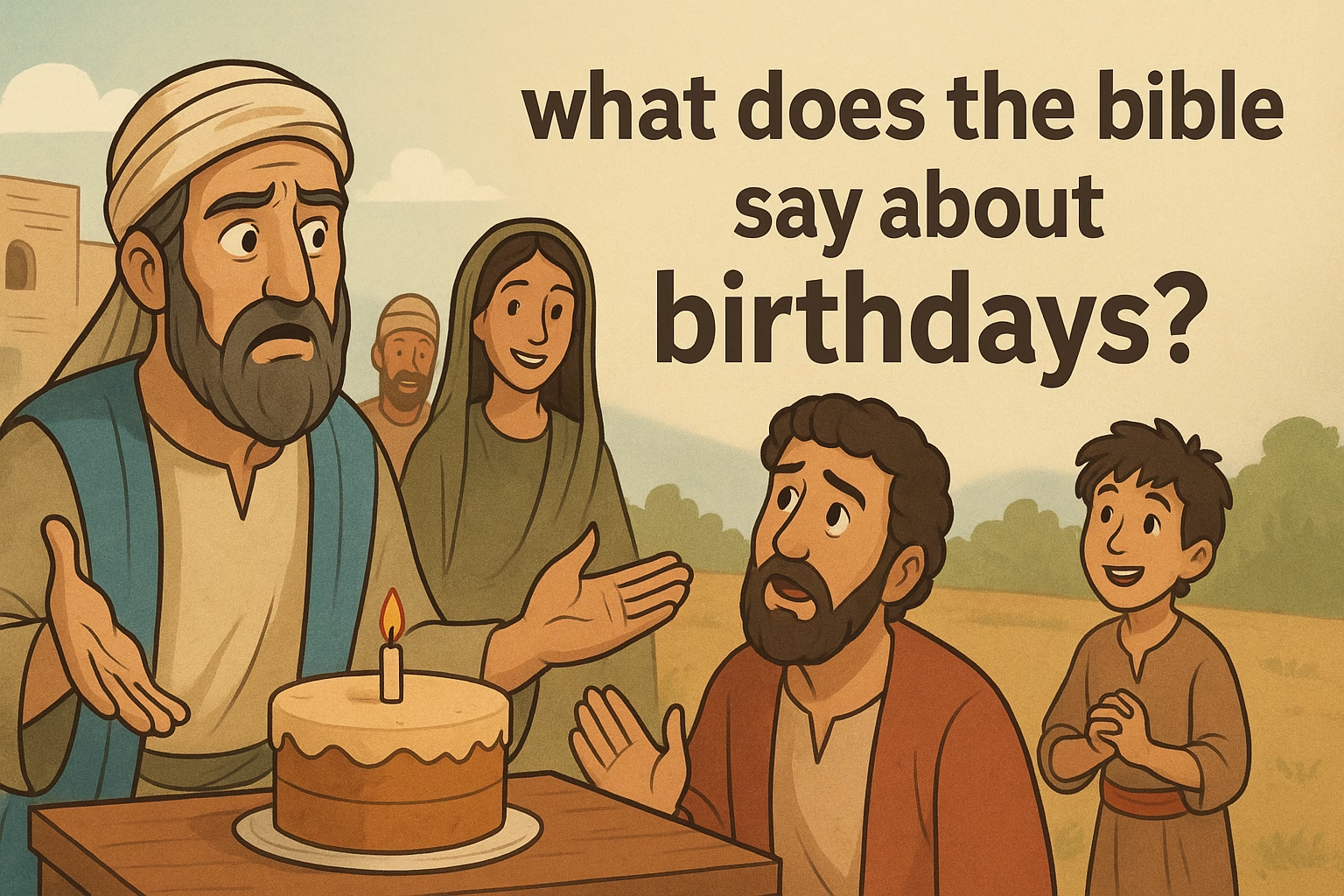
Birthdays are a significant part of many cultures, often celebrated with parties, gifts, and special traditions. However, the Bible does not explicitly mention birthdays as we understand them today. This raises the question: what does the Bible say about birthdays? To answer this, we need to examine Scripture, context, and cultural practices during biblical times.
While the Bible does not provide a clear directive regarding the celebration of birthdays, it does mention specific instances related to the observance of someone’s birth. Understanding these references can help us discern the biblical perspective on birthdays.
Biblical References to Birthdays
Two Notable Birthday Accounts
There are two significant references to birthdays in the Bible, both of which are found in the Old Testament. These instances provide insight into how birthdays were viewed in ancient times.
In Genesis 40:20-22, we read about the birthday of Pharaoh. The text states, “Pharaoh’s birthday came, and he prepared a banquet for all his officials and servants. He lifted up the head of the chief cupbearer and the chief baker among his officials.” This passage highlights that birthdays were occasions for feasting and celebration in ancient Egypt.
The second account is found in Mark 6:21-28, which recounts the birthday of King Herod. Here, Herod throws a banquet for his nobles and military commanders. During the celebration, he promises to grant the daughter of Herodias any request, leading to the beheading of John the Baptist. This story presents a more somber view of birthday celebrations, highlighting the potential for excess and moral compromise.
Contextual Understanding
While these accounts reference birthday celebrations, it is essential to consider the cultural context in which they occurred. In ancient times, birthdays were often linked to pagan customs and were celebrated in ways that may not align with Christian values. The celebrations associated with Pharaoh and Herod involved indulgence and, in Herod’s case, a tragic outcome.
Moreover, the Bible does not provide a positive or negative stance specifically on birthday celebrations. Instead, it focuses on the significance of life and the importance of honoring God throughout our lives. The absence of direct teaching on birthdays suggests that they are not inherently good or bad, but rather a matter of personal conviction and cultural practice.
The Significance of Life in Scripture
Celebrating Life
Although the Bible does not explicitly address birthdays, it emphasizes the value of life and the joy of living. For instance, Psalm 139:13-14 expresses gratitude for being wonderfully made, acknowledging the significance of each person’s existence. This perspective can encourage believers to celebrate not just the day of their birth, but the gift of life itself.
Additionally, Ecclesiastes 3:1 reminds us, “For everything, there is a season, a time for every activity under heaven.” This verse encourages us to recognize and celebrate the various seasons of life, including milestones like birthdays. Thus, while the Bible may not advocate for birthday celebrations, it does affirm the importance of acknowledging and appreciating the journey of life.
Tradition and Personal Conviction
In considering whether to celebrate birthdays, Christians are encouraged to examine their motivations and the context of their celebrations. For some, birthdays can be a time of reflection, gratitude, and fellowship with family and friends. For others, they may choose not to celebrate due to personal conviction or cultural influences.
- Reflection: Birthdays can serve as an opportunity for self-reflection and spiritual growth, allowing individuals to consider their journey and relationship with God.
- Gratitude: Celebrating a birthday can be a time to express gratitude for the blessings of life and the people who have supported us.
- Fellowship: Birthdays often involve gathering with loved ones, which can strengthen bonds and create cherished memories.
Potential Pitfalls of Birthday Celebrations
Excess and Focus on Self
While celebrating birthdays can be enjoyable, it is essential to be mindful of potential pitfalls. The accounts of Pharaoh and Herod serve as reminders that celebrations can sometimes lead to excess or distraction from spiritual priorities. It is crucial to ensure that any celebration aligns with Christian values and does not promote self-centeredness or indulgence.
In this light, believers should approach birthday celebrations with discernment, focusing on honoring God and fostering meaningful connections with others. This perspective helps maintain a balance between celebration and spiritual integrity.
Cultural Influences
Another consideration is the cultural influences surrounding birthday celebrations. Some may feel pressure to conform to societal expectations, leading to extravagant celebrations that may not reflect their values. It is essential for Christians to evaluate their traditions and practices in light of Scripture and personal conviction, ensuring that they align with their faith.
Ultimately, the Bible does not provide explicit instructions regarding the observance of birthdays, leaving room for personal interpretation and practice. By focusing on the value of life and the importance of honoring God, believers can approach birthdays in a way that reflects their faith and values.
Exploring the Meaning of Birthdays in a Christian Context
Understanding the biblical perspective on birthdays requires a deeper dive into the significance of life and the role of celebration in the Christian faith. While direct references to birthdays are sparse, the underlying principles of celebrating life, community, and faith can guide how believers approach these occasions.
The Role of Celebration in the Bible
The act of celebration is a recurring theme throughout Scripture. Many biblical events are marked by feasting, joy, and communal gatherings. For example, the Jewish festivals, such as Passover and the Feast of Tabernacles, are occasions for remembering God’s faithfulness and celebrating His provision. These events highlight the importance of communal worship and gratitude, which can also be reflected in how Christians choose to celebrate birthdays.
Celebration in the Bible often serves a dual purpose: it is a time for rejoicing and an opportunity to remember God’s goodness. Thus, birthdays, while not explicitly mentioned, can be viewed as a chance to both celebrate an individual’s life and acknowledge God’s blessings throughout that life.
Life as a Gift from God
In Christian theology, life is regarded as a precious gift from God. Psalm 127:3 proclaims, “Children are a gift from the Lord; they are a reward from him.” This perspective can inform how birthdays are celebrated. Rather than merely marking the passage of time, birthdays can be seen as a celebration of God’s handiwork and the unique purpose He has for each individual.
When Christians celebrate birthdays, they can emphasize gratitude for the life God has given, reflecting on personal growth and milestones while seeking to honor Him in the process. This approach not only transforms the way birthdays are perceived but also enriches the experience for those involved.
Community and Relationships
The Bible places a strong emphasis on the importance of community and relationships. Celebrating milestones like birthdays can strengthen bonds among family and friends, creating a sense of belonging and support. Hebrews 10:24-25 encourages believers to “consider how we may spur one another on toward love and good deeds, not giving up meeting together.” Birthdays can be an opportunity to gather, share stories, and uplift one another, fostering a spirit of love and encouragement.
Moreover, birthdays can serve as a platform for mentorship and sharing wisdom. Older generations can impart their experiences and faith journeys to younger ones, enriching the community’s spiritual fabric. In this way, birthdays can become not just personal celebrations but also communal events that strengthen the body of Christ.
Reflection on Personal Growth
Birthdays offer a natural point for reflection. As individuals grow older, they often contemplate their spiritual journey and relationship with God. Questions such as, “How have I grown in my faith this past year?” or “What are the areas where I seek to improve?” can lead to meaningful introspection. This practice aligns with biblical teachings on self-examination and spiritual growth.
James 1:5 encourages believers to seek wisdom from God, which can be particularly relevant during birthday reflections. By asking for guidance and insight, individuals can set spiritual goals for the year ahead, ensuring that their lives align more closely with God’s will.
Alternatives to Traditional Birthday Celebrations
Service and Giving Back
For some Christians, traditional birthday celebrations may not resonate with their values or beliefs. In such cases, alternative ways of marking the occasion can be embraced, such as acts of service or giving to those in need. This approach aligns with the biblical principle of selflessness and love for others.
In Matthew 25:40, Jesus teaches that serving others is akin to serving Him. Therefore, instead of focusing solely on personal festivities, individuals can choose to celebrate by volunteering, donating to charity, or helping those less fortunate. This practice not only honors the spirit of the day but also reflects Christ’s love and compassion.
Creating Meaningful Traditions
Families can create their own traditions surrounding birthdays that reflect their faith and values. This might include a special family prayer, sharing testimonies of God’s faithfulness, or engaging in activities that promote spiritual growth. By making birthdays a time of intentional reflection and connection with God, families can cultivate a deeper sense of purpose in their celebrations.
Additionally, these traditions can be passed down through generations, instilling a sense of faith and community in younger family members. This creates an environment where birthdays are not just about the individual but about the family’s shared faith journey.
Conclusion: A Personal Journey of Faith and Celebration
In conclusion, while the Bible does not provide explicit guidance on the celebration of birthdays, it offers valuable principles that can inform how Christians approach this occasion. By focusing on the significance of life, community, and spiritual growth, believers can celebrate birthdays in a way that honors God and reflects their faith. Whether through traditional festivities, acts of service, or meaningful family traditions, the essence of celebrating a birthday can be transformed into a beautiful expression of gratitude and love.
Ultimately, the decision to celebrate birthdays should stem from personal conviction and the desire to honor God in all aspects of life. As individuals navigate their beliefs and practices, they can find joy in celebrating life—both their own and the lives of those they cherish.
For further exploration of related topics, you can read about the biblical perspective on laughter and discover insights on birthdays in the Bible.