Thaddeus is a lesser-known figure in the Bible, often overshadowed by more prominent apostles like Peter and John. However, his role as one of Jesus’ disciples holds significance in understanding the early Christian community. In this article, we will explore who Thaddeus is, his contributions, and the context in which he lived and served.
Thaddeus, sometimes referred to as Judas (not Iscariot), is one of the twelve apostles chosen by Jesus. He is mentioned in the lists of apostles found in the Gospels of Matthew, Mark, and Luke. His name appears in the Gospel of John, where he engages in a conversation with Jesus. Though not much is known about his life, Thaddeus is recognized for his loyalty to Jesus and his role in the early church.
Thaddeus in the Gospel Accounts
Matthew and Mark’s Lists of Apostles
Thaddeus is mentioned in the lists of the twelve apostles in both Matthew 10:2-4 and Mark 3:16-19. In these passages, he is included among the group of disciples that Jesus selected to accompany Him during His ministry. In Matthew, Thaddeus is listed as “Thaddeus” (Matthew 10:3), while in Mark, he is referred to as “Thaddeus” as well, but sometimes as “Judas, the son of James” (Mark 3:18). This dual naming can lead to some confusion, but it highlights the common practice of having multiple names or titles in the cultural context of that time.
Thaddeus in the Gospel of John
The Gospel of John provides a more personal glimpse into Thaddeus’ character. In John 14:22, he asks Jesus a question during the Last Supper: “Lord, why are you going to reveal yourself only to us and not to the world at large?” This question reflects his desire to understand the nature of Jesus’ mission and the implications for the disciples. Jesus’ response emphasizes the intimate relationship He has with His followers, indicating that obedience and love for Him lead to deeper knowledge and connection with God.
Thaddeus’ Role in the Early Church
Tradition and Historical Context
While the New Testament does not provide extensive details about Thaddeus’ actions after Jesus’ resurrection, early church tradition suggests he played an important role in spreading the Gospel. Historical accounts, though not always reliable, indicate that Thaddeus may have traveled to various regions to evangelize. Some traditions hold that he went to places such as Syria and Persia, where he preached and ultimately met his martyrdom.
The lack of biblical references to Thaddeus’ missionary work means much of what is known comes from tradition rather than Scripture. Early church historians like Eusebius and later writers recorded stories of Thaddeus’ ministry, but these accounts vary and should be viewed with caution. Despite the uncertainty surrounding his later life, Thaddeus is remembered as one of the faithful disciples who contributed to the growth of the early church.
Thaddeus in Iconography and Symbolism
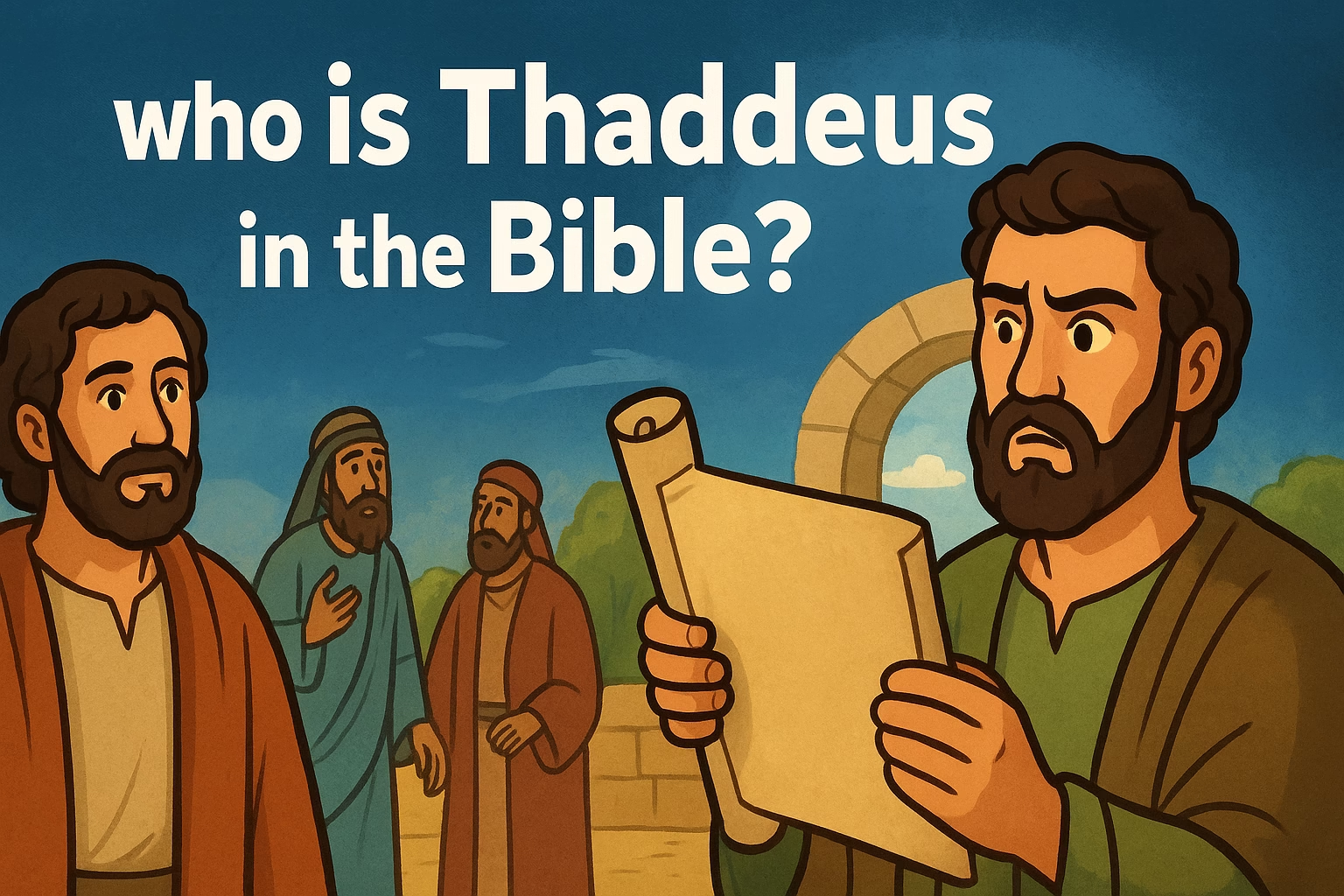
In Christian art and iconography, Thaddeus is often depicted holding a club, which is believed to symbolize his martyrdom. Some representations show him with a scroll or a book, indicating his role in teaching and spreading Jesus’ message. The imagery surrounding Thaddeus serves to honor his commitment to Christ and his work in the early Christian community.
Understanding the Name “Thaddeus”
The name “Thaddeus” is of Aramaic origin and is thought to mean “heart” or “courageous.” This etymology reflects the qualities associated with him as a disciple of Jesus. His willingness to follow Jesus and his desire to understand the deeper truths of faith demonstrate a courageous heart. The significance of names in biblical culture often extends beyond mere identification, as they encapsulate character and purpose.
Comparison with Other Apostles
Thaddeus’ role as an apostle can be contrasted with those of other disciples. While figures like Peter, James, and John are often highlighted for their prominent leadership, Thaddeus represents the many unsung heroes of the faith. His story reminds us that every disciple, regardless of their level of visibility, has a vital part to play in God’s plan. The diversity among the apostles underscores the idea that God calls individuals from various backgrounds and personalities to fulfill His purposes.
Thaddeus in the Context of the Last Supper
The Last Supper is a pivotal moment in the Gospels, and Thaddeus’ presence at this event emphasizes his close relationship with Jesus. During this meal, Jesus institutes the Lord’s Supper and prepares His disciples for the challenges ahead. Thaddeus’ question in John 14:22 reveals his earnestness in seeking to understand Jesus’ mission and the implications for himself and the others. This moment illustrates the disciples’ struggles to grasp the full meaning of Jesus’ teachings, a theme that resonates with many believers today.
As we continue to explore Thaddeus’ life and legacy, it is essential to consider his contributions within the broader narrative of the New Testament. The context of his ministry and the early church’s development provide valuable insights into the nature of discipleship and the call to spread the Gospel. Thaddeus, while often overlooked, serves as a reminder of the faithful servants who helped lay the foundation for Christianity.
Thaddeus’ Influence on Early Christian Theology
Although Thaddeus is not frequently mentioned in the New Testament, his contributions to early Christian theology can be inferred through the collective teachings of the apostles. He was part of the foundational group that established key doctrines about Christ’s nature, the Kingdom of God, and the mission of the church. The questions he posed during Jesus’ ministry illustrate a deep engagement with the theological implications of Jesus’ teachings.
Thaddeus’ inquiry during the Last Supper highlights a vital aspect of early Christian thought: the relationship between God and humanity. His desire to understand why Jesus would reveal Himself only to His followers rather than the world suggests a theological curiosity that would have been essential for the early church. The responses Jesus gave would have been instrumental in shaping how the apostles, including Thaddeus, understood their mission and the nature of their relationship with God.
Thaddeus and the Concept of Apostolic Authority
As one of the twelve apostles, Thaddeus shared in the authority given to the disciples by Jesus. This authority was not only to preach the Gospel but also to perform miracles and establish church communities. The early church recognized the apostles as leaders who carried the teachings of Jesus and provided guidance to new believers. Thaddeus’ inclusion in this group signifies his role in maintaining the integrity of these teachings and the spread of the Gospel message.
In the context of apostolic succession, Thaddeus’ position as an apostle would have been significant for the early church as they sought to ensure that the teachings of Jesus were passed down accurately. His commitment to Christ exemplified the qualities expected of church leaders, such as faithfulness, courage, and the ability to teach and guide others in the faith.
Thaddeus in Early Church Tradition
Beyond the biblical text, Thaddeus’ legacy continues through various church traditions. Some traditions celebrate his feast day, which varies among different Christian denominations. The Eastern Orthodox Church commemorates Thaddeus on June 19, while the Western Church honors him on the same day or on October 28, depending on the tradition. These celebrations often include reflections on his life and contributions to the faith.
Moreover, Thaddeus is sometimes associated with the writing of the Epistle of Jude, which is attributed to another “Judas” in the New Testament. While scholars debate the authorship, some early church fathers believed that Thaddeus, or Judas the son of James, may have been the author. This letter emphasizes themes of perseverance in faith and warnings against false teachings, echoing the concerns Thaddeus might have shared during his ministry.
Martyrdom and Legacy
Many traditions assert that Thaddeus met a martyr’s death, which underscores his unwavering commitment to the teachings of Christ. Various accounts suggest he was martyred in places like Persia, where he faced persecution for his faith. His martyrdom serves as a powerful testament to the risks early Christians took in spreading the Gospel, reflecting the cost of discipleship that Jesus spoke about during His ministry.
The legacy of Thaddeus, particularly his willingness to suffer for his faith, resonates with many believers today. It encourages Christians to reflect on their commitment to their faith, especially in challenging circumstances. Thaddeus exemplifies the call to follow Christ wholeheartedly, even when faced with adversity.
Reflections on Thaddeus’ Character
Thaddeus’ character is often overlooked, yet his presence among the apostles speaks volumes about the diversity of personalities and backgrounds that Jesus called to be His followers. His earnestness in seeking understanding and his loyalty to Jesus highlight essential traits of a disciple. The desire for deeper knowledge and connection with God is a relatable pursuit for many Christians today.
Moreover, the way Thaddeus is portrayed in the Gospels invites believers to consider their own questions about faith and spirituality. He symbolizes the journey of many who seek answers and clarity in their relationship with God. His story encourages Christians to approach their faith with curiosity and the willingness to ask difficult questions.
Thaddeus as a Model for Discipleship
In a world where many feel unqualified to serve or share their faith, Thaddeus stands as a reminder that every disciple has a role to play. His story exemplifies the idea that God can use anyone, regardless of their background or the visibility of their contributions. This encourages believers to recognize their value in the body of Christ and to embrace opportunities for service and witness in their communities.
Conclusion: The Enduring Impact of Thaddeus
Thaddeus may not be one of the most recognized figures in the New Testament, yet his presence among the apostles and his contributions to the early church are significant. His questions and actions reflect the struggles and triumphs of faith that resonate with believers across generations. As we reflect on Thaddeus’ life, we are reminded of the importance of every disciple’s role in God’s plan and the call to follow Christ with courage and commitment.
In a world that often seeks recognition and status, Thaddeus teaches us that faithfulness and loyalty to Jesus are what truly matter. His legacy encourages believers to embrace their unique calling, seek deeper understanding, and remain steadfast in their commitment to the Gospel.
For further exploration of apostolic figures in the Bible, you can read more about their contributions and significance in the early church in this detailed article, and to understand the various roles of lesser-known apostles, check out this insightful resource.