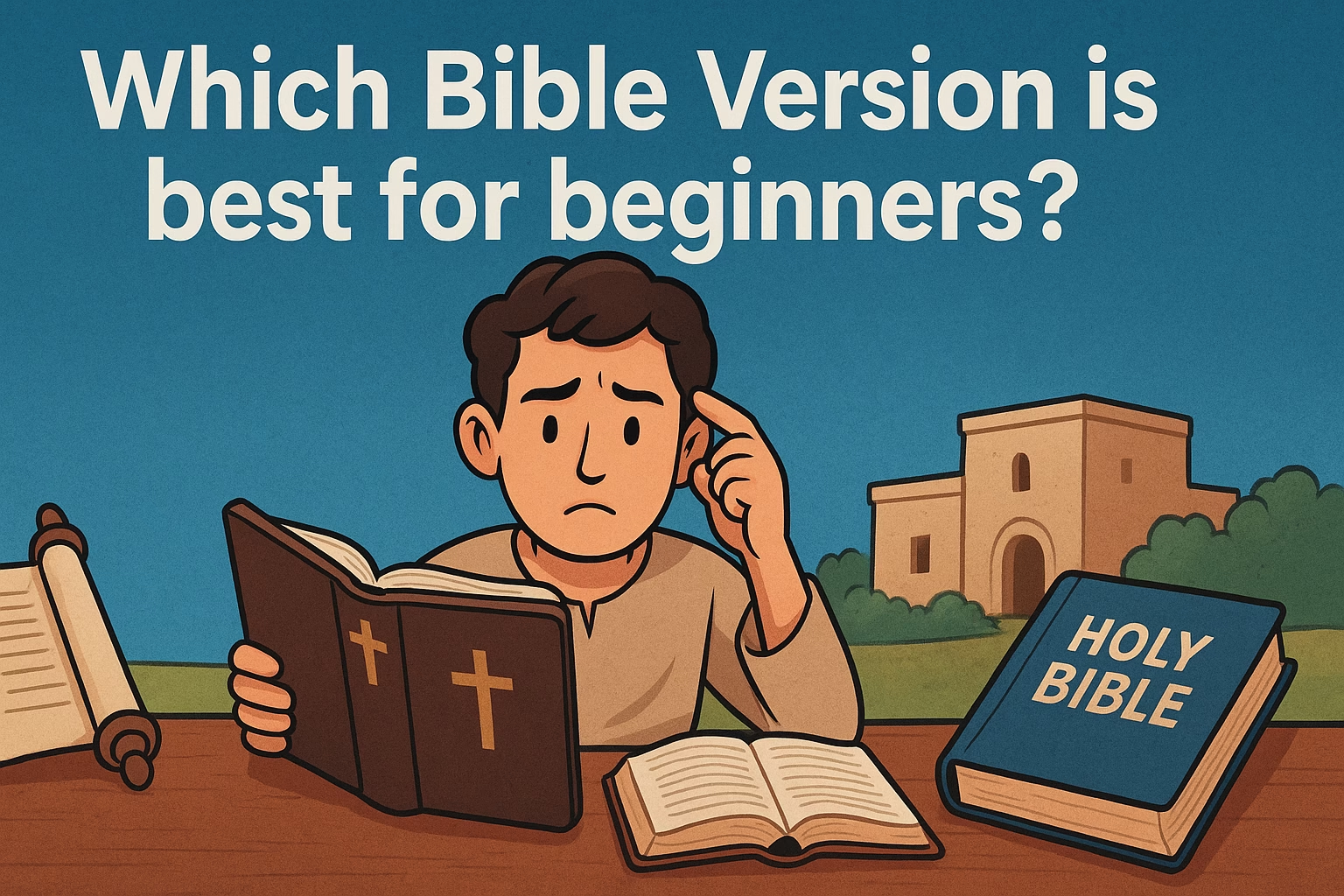
Choosing a Bible version can be a daunting task, especially for beginners. With so many translations available, each with its unique approach to language, style, and interpretation, it can be challenging to determine which one is the best fit for someone just starting their journey into the Scriptures. This article aims to guide you through this important decision, highlighting some of the most accessible and beginner-friendly Bible versions.
For beginners, the New Living Translation (NLT) is often regarded as one of the best options. Its clear and contemporary language makes it easy to understand, allowing new readers to grasp the message of the Bible without getting bogged down by archaic terms or complex sentence structures. However, other translations like the New International Version (NIV) and the English Standard Version (ESV) also have their merits. Let’s explore these options in more detail.
Understanding the New Living Translation (NLT)
The NLT is designed to be both readable and faithful to the original texts. It uses a thought-for-thought translation philosophy, meaning that it focuses on conveying the ideas of the original writers rather than sticking strictly to word-for-word translations. This approach helps beginners understand the Bible’s themes and messages without getting lost in the language.
For instance, John 3:16 in the NLT reads, “For this is how God loved the world: He gave his one and only Son, so that everyone who believes in him will not perish but have eternal life.” This straightforward wording highlights the core message of God’s love and salvation, making it accessible to those unfamiliar with biblical language.
The New International Version (NIV)
The NIV is another popular choice among beginners. It strikes a balance between readability and accuracy. Similar to the NLT, the NIV employs a thought-for-thought translation method but retains some word-for-word elements, making it slightly more formal. This translation is widely used in churches and study groups, which can be beneficial for beginners who wish to engage in communal learning.
A good example is Philippians 4:13, which states, “I can do all this through him who gives me strength.” The NIV communicates this empowering message clearly, encouraging readers to rely on their faith for strength in difficult times.
The English Standard Version (ESV)
The ESV is a more literal translation compared to the NLT and NIV. It aims to maintain the original wording and structure of the Hebrew and Greek texts as closely as possible. While this can make it slightly more challenging for beginners, many appreciate its accuracy and depth. The ESV is often used in academic settings and by those who desire a deeper study of the Scriptures.
For example, Ephesians 2:8-9 in the ESV reads, “For by grace you have been saved through faith, and this is not your own doing; it is the gift of God, not a result of works, so that no one may boast.” This passage highlights the concept of grace in a way that invites deeper reflection, making it suitable for those who may wish to explore theological concepts further as they grow in their faith.
Comparing Readability and Study Value
When choosing a Bible version, consider your primary purpose for reading. Are you looking for something to read casually, or do you want to engage in deeper study? The NLT is excellent for casual reading, while the NIV offers a balance that can work for both casual and study purposes. The ESV might be best suited for those who want to delve into more in-depth theological discussions.
Here’s a quick comparison to help you decide:
- New Living Translation (NLT): Best for beginners seeking clarity and understanding.
- New International Version (NIV): Good for both casual reading and study, balancing readability and accuracy.
- English Standard Version (ESV): Suitable for deeper study and theological reflection, but may be challenging for absolute beginners.
Factors to Consider When Choosing a Bible Version
To make the best choice, consider the following factors:
- Readability: Choose a translation that you can understand easily. If the language feels too complex, you may miss the messages entirely.
- Purpose: Think about how you plan to use the Bible. Is it for personal devotion, study, or group discussions?
- Community: If you plan to join a church or Bible study group, find out which translation they use. This can enhance your understanding and engagement.
- Personal Preference: Ultimately, it’s important to select a version that resonates with you. Sometimes, it may take trying a few different versions before you find the one that feels right.
As you embark on your journey through the Bible, remember that the goal is to connect with God and understand His Word. Choosing the right Bible version can significantly enhance this experience, making it more meaningful and enjoyable.
The Importance of Context in Bible Reading
When reading the Bible, understanding the context of each passage is crucial. Context includes the historical, cultural, and literary settings that influence the meaning of the text. For beginners, grasping context can deepen their comprehension and appreciation of Scripture.
For example, knowing the historical background of the Israelites during the Exodus can help readers understand the significance of God’s deliverance. Similarly, understanding the cultural norms of first-century Palestine can illuminate the teachings of Jesus in the Gospels. Beginners may benefit from study guides or resources that provide context to the passages they are reading.
Finding Meaningful Follow-Up Questions
As you read, consider asking yourself some meaningful follow-up questions to engage with the text more deeply:
- What does this passage reveal about God’s character? Reflecting on God’s nature can lead to a greater understanding of His relationship with humanity.
- How does this message apply to my life today? Connecting Scripture to personal experiences can make it more relevant and impactful.
- What is the main theme or lesson in this passage? Identifying key themes can help solidify your understanding and retention of the material.
- What questions do I have about this text? Allowing yourself to question the text can lead to further exploration and study.
These questions can be particularly helpful when discussing the Bible with others or in study groups, encouraging dialogue and deeper exploration of the text.
Utilizing Study Resources
For beginners, utilizing study resources can significantly enhance understanding. Many Bibles come with footnotes, maps, and cross-references that provide additional information. Some popular study Bibles include:
- The Life Application Study Bible: This version offers practical applications of biblical principles.
- The ESV Study Bible: Known for its comprehensive study notes and theological insights.
- The NLT Study Bible: Combines readable text with helpful explanations and context.
In addition to study Bibles, online resources and apps can provide access to commentaries, devotionals, and Bible reading plans. These tools can guide beginners in their study and help them navigate the complexities of Scripture.
Engaging with Community
Joining a Bible study group or a church community can also enhance your understanding of the Bible. Engaging with others who are also learning can provide support, encouragement, and diverse perspectives. Many churches offer classes specifically designed for beginners, where you can learn in a welcoming environment.
Being part of a community allows beginners to ask questions, share insights, and explore the Bible together. This fellowship can deepen your faith and foster a sense of belonging as you grow in your understanding of God’s Word.
Personal Reflection and Prayer
As you read the Bible, don’t forget the importance of personal reflection and prayer. Taking time to meditate on what you have read and asking God for guidance can lead to a more profound understanding of His message. Prayer can also help you process your thoughts and feelings about the text, creating a more intimate connection with God.
Consider setting aside a specific time each day for Bible reading and prayer. This routine can help you establish a habit and make your study time more intentional and meaningful.
Conclusion: Your Journey with the Bible
Choosing the right Bible version is just the beginning of your journey into understanding God’s Word. As a beginner, it is essential to consider readability, context, and community engagement. Take advantage of study resources, reflect on the passages, and ask meaningful questions. Remember that the goal is to connect with God and grow in your faith.
Your choice of translation may evolve as you grow in your understanding and engagement with Scripture. Embrace the journey, and allow your exploration of the Bible to shape your life and faith in profound ways.
For further guidance on choosing the best Bible version, check out this article on the best Bible versions. If you are looking for the easiest Bible version to read, you may find this resource helpful as well.