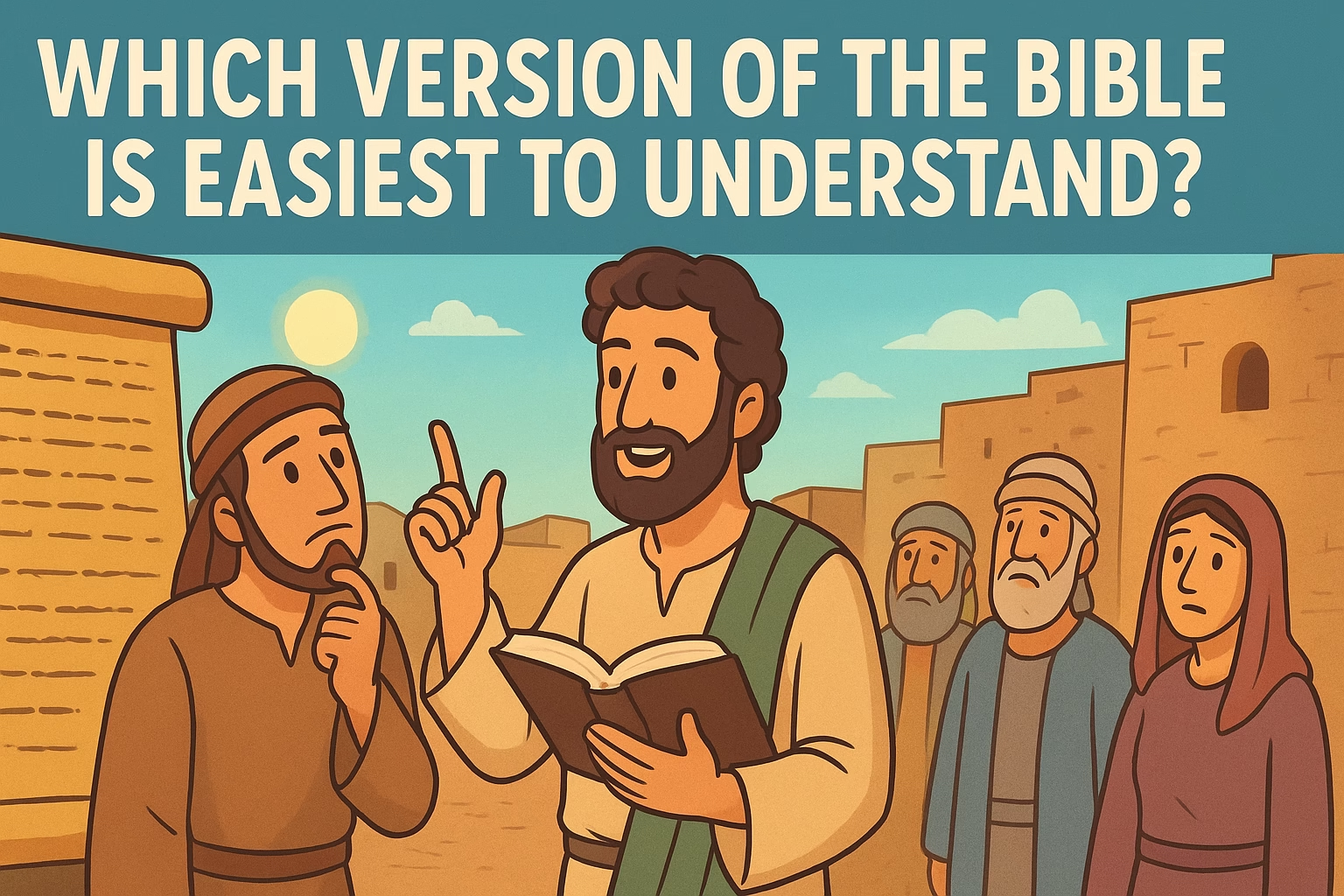

When it comes to reading the Bible, many people seek a version that is easy to understand and navigate. With various translations available, it can be challenging to determine which one is the most accessible for readers of all backgrounds and ages. This article will explore some of the easiest versions of the Bible to read, helping you find one that resonates with you.
One of the most widely recommended translations for ease of reading is the New Living Translation (NLT). This version is known for its clear and contemporary language, making it suitable for both new and seasoned readers. The NLT aims to be both accurate and understandable, presenting the Scriptures in a way that feels natural and engaging.
What Makes a Bible Easy to Read?
Before diving into specific translations, it’s helpful to understand what factors contribute to a Bible’s readability. Here are some key elements:
- Language Style: A modern language style that avoids archaic terms can make reading smoother.
- Sentence Structure: Shorter sentences and straightforward phrasing can enhance comprehension.
- Footnotes and References: Helpful explanations and context can assist readers in understanding difficult passages.
- Format: A well-organized layout with headings and paragraphs can make navigation easier.
New Living Translation (NLT)
The New Living Translation is often praised for its simplicity and clarity. It was first published in 1996, with a goal to make the Bible accessible to a broad audience, including those who may struggle with traditional language. The NLT uses dynamic equivalence, which means it focuses on conveying the thought and meaning of the original texts rather than a word-for-word translation.
For example, John 3:16 in the NLT states: “For God loved the world so much that he gave his one and only Son, so that everyone who believes in him will not perish but have eternal life.” This phrasing captures the essence of the verse without convoluted language, making it relatable.
Contemporary English Version (CEV)
Another user-friendly option is the Contemporary English Version (CEV). This translation was designed specifically for those who might be new to the Bible, including children and non-native English speakers. The CEV utilizes simple vocabulary and short sentences, which makes it very approachable.
For instance, Psalm 23:1 in the CEV reads: “You, Lord, are my shepherd. I will never be in need.” This straightforward wording conveys comfort and reassurance in a manner that is easy to grasp.
New International Version (NIV)
The New International Version (NIV) is another popular choice among readers. First published in 1978, the NIV aims to balance readability with accuracy. It employs a thought-for-thought translation philosophy similar to the NLT but retains a slightly more traditional tone.
In Philippians 4:13, the NIV states: “I can do all this through him who gives me strength.” This verse is both inspiring and easy to understand, making it a favorite among many readers.
Good News Translation (GNT)
The Good News Translation (GNT), formerly known as the Good News Bible, is another excellent option for those seeking simplicity. This translation is known for its clear and straightforward language, making it ideal for readers of all ages. The GNT often uses everyday language and idiomatic expressions to convey biblical truths.
For example, in Matthew 5:16, the GNT says: “In the same way, your light must shine before people, so that they will see the good things you do and praise your Father in heaven.” This clear depiction encourages readers to live out their faith in an understandable manner.
Amplified Bible (AMP)
The Amplified Bible (AMP) offers a unique reading experience by providing additional context and meanings for certain words. While it can be longer than other translations, the AMP is designed to clarify the text, making it easier to understand complex biblical concepts.
For instance, Ephesians 2:8-9 in the AMP explains: “For it is by grace [God’s remarkable compassion and favor drawing you to Christ] that you have been saved [actually delivered from judgment and given eternal life] through faith. And this [salvation] is not of yourselves, [not through your own effort], but it is the gift of God.” The added explanations can enhance understanding, although it may not be as concise as other translations.
Choosing the Right Version for You
Ultimately, the easiest Bible version to read depends on your personal preferences and needs. Here are some tips to help you choose:
- Consider Your Reading Level: If you’re new to reading or struggle with traditional language, opt for a translation like the NLT or CEV.
- Look for Familiarity: If you have a particular style you enjoy, such as contemporary language, explore versions like the NIV or GNT.
- Experiment with Different Translations: Don’t hesitate to read passages from various translations to see which resonates with you.
Understanding the context and language of the Bible can significantly enhance your reading experience. By choosing an accessible translation, you can engage with Scripture in a way that is both meaningful and enjoyable.
Additional Easy-to-Read Translations
In addition to the translations already mentioned, there are several other versions that prioritize clarity and ease of understanding. Here are a few more options worth considering:
New Century Version (NCV)
The New Century Version (NCV) is designed for readers who seek a simple and direct approach to Scripture. This translation is particularly popular among younger audiences and those with limited English proficiency. The NCV uses straightforward vocabulary and short sentences, making it easy to understand.
For example, in Romans 3:23, the NCV states: “All have sinned and fall short of the glory of God.” This simple phrasing clearly conveys the message without overwhelming the reader.
Easy-to-Read Version (ERV)
The Easy-to-Read Version (ERV) is tailored for those who might struggle with more complex texts. This version is especially beneficial for people with learning disabilities or for whom English is a second language. The ERV focuses on clarity and simplicity, ensuring that the essential message of the Bible is conveyed effectively.
For instance, John 14:6 in the ERV says: “Jesus answered, ‘I am the way and the truth and the life. The only way to the Father is through me.’” This statement is direct and easy to comprehend, making it accessible to a wide audience.
Understanding Bible Context
When reading any version of the Bible, understanding the context is crucial. Context includes the historical background, cultural influences, and the intended audience of the Scriptures. This background can significantly impact how a passage is interpreted and understood.
For example, knowing that the letter to the Philippians was written by Paul while he was in prison can provide deeper insight into the themes of joy and perseverance found in the text. Similarly, understanding the cultural practices of the time can illuminate the meaning of certain parables or teachings.
Questions to Enhance Understanding
To engage more deeply with the Scriptures, consider these follow-up questions as you read:
- What is the historical context of this passage?
- Who was the original audience, and how might they have understood this text?
- What themes or messages stand out to me in this reading?
- How does this passage relate to my life today?
Reflecting on these questions can enrich your reading experience and help you connect more personally with the teachings of the Bible.
Combining Versions for Deeper Insight
Many readers find it beneficial to use multiple translations when studying the Bible. By comparing different versions, you can gain a broader perspective on a passage and appreciate the nuances of the text. For instance, reading a verse in both the NLT and the NIV can highlight different interpretations or emphases, allowing for a richer understanding of Scripture.
Using a study Bible that includes various translations, notes, and commentary can also enhance your reading. This approach can provide clarity on difficult passages and offer insights into the meaning behind the text.
The Role of Study Aids
In addition to selecting an easy-to-read translation, utilizing study aids can further enhance your understanding of the Bible. Consider incorporating the following resources:
- Bible commentaries: These provide background information and interpretations of specific passages.
- Devotionals: Daily devotionals can guide your reading and help you apply biblical principles to your life.
- Online resources: Websites and apps often offer tools for comparing translations, accessing commentaries, and joining study groups.
These aids can help bridge the gap between the text and your understanding, making your reading experience more fruitful and engaging.
Closing Thoughts
Choosing the easiest version of the Bible to read is a personal journey that depends on your unique preferences and needs. With various translations available, it is essential to explore and find one that resonates with you. Whether you opt for the New Living Translation, the Contemporary English Version, or another accessible option, the goal is to engage with Scripture meaningfully. As you read, remember the importance of context, consider using multiple translations, and incorporate study aids to deepen your understanding. Ultimately, the Bible is a source of wisdom and guidance, and finding an accessible version can help you unlock its transformative power in your life.
For more insights on selecting a Bible version, you can check out this article which discusses various translations in detail. Additionally, if you are interested in how to apply biblical principles to daily living, visit this resource for practical tips and guidance.