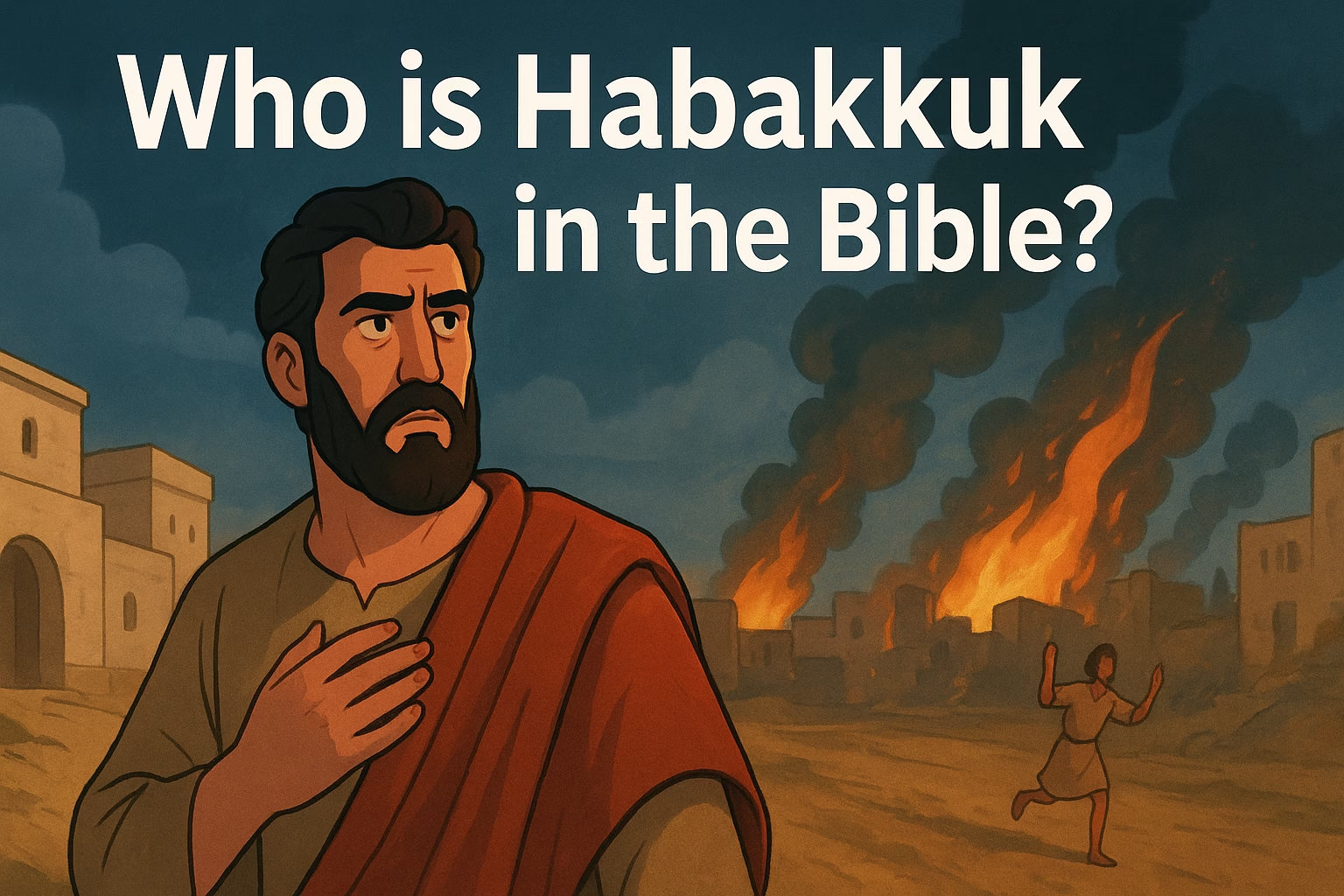
The book of Habakkuk is one of the shorter books in the Old Testament, nestled among the twelve minor prophets. Though it may not be as well-known as some other biblical figures, Habakkuk carries a significant message that resonates with many believers today. This article will explore who Habakkuk is, his background, and the themes presented in the book that bears his name.
Habakkuk is a prophet in the Hebrew Bible, known for his unique dialogue with God. Unlike other prophets who primarily deliver God’s messages to the people, Habakkuk engages in a conversation with God, expressing his doubts and concerns about the state of the world. The book of Habakkuk consists of three chapters and is set during a time of great turmoil in Judah, likely just before the Babylonian exile. His name means “embrace,” which may symbolize his role in embracing God’s message and conveying it to the people.
Historical Context of Habakkuk
To understand Habakkuk better, it is essential to consider the historical context in which he prophesied. The book is set during a period of moral decay in Judah, characterized by injustice, violence, and idolatry. The people of Judah were turning away from God, leading to a breakdown in society. Habakkuk’s ministry likely took place during the late seventh century BC, just before the Babylonian conquest.
At this time, the Babylonian Empire was rising to power, and their threat loomed large over Judah. Habakkuk witnessed the suffering of his people and questioned God about why He allowed such injustice to prevail. This sense of urgency to understand God’s plan forms the backbone of Habakkuk’s dialogue with God.
Habakkuk’s Dialogue with God
One of the most distinctive features of the book is Habakkuk’s direct conversation with God. The opening verses of chapter one reveal Habakkuk’s frustration. He asks God why He seems indifferent to the violence and injustice surrounding him. Habakkuk cries out:
“How long, O Lord, must I call for help? But you do not listen!” (Habakkuk 1:2, NLT)
This heartfelt plea reflects a profound struggle that many believers face when confronted with suffering and evil. Habakkuk’s honesty in expressing his doubts and fears serves as an example for us today. He does not shy away from asking tough questions, demonstrating that faith does not mean having all the answers.
God’s Response to Habakkuk
In response to Habakkuk’s questions, God assures him that He is aware of the situation and has a plan. God reveals that He will raise up the Babylonians to bring judgment upon Judah for their sins. This revelation perplexes Habakkuk even further, as he cannot understand how a nation more wicked than Judah could be used as an instrument of God’s judgment. He questions God’s justice:
“O Lord, my God, my Holy One, you who are eternal, surely you do not plan to wipe us out? O Lord, our rock, you have sent these Babylonians to correct us, to discipline us for our many sins.” (Habakkuk 1:12-13, NLT)
God’s answer emphasizes His sovereignty and the ultimate triumph of justice. He tells Habakkuk that the righteous will live by their faithfulness (Habakkuk 2:4). This verse has become a cornerstone of Christian theology, later quoted in the New Testament by Paul and the writer of Hebrews, underscoring the importance of faith in God’s promises.
The Vision of Judgment and Hope
In chapter two, God instructs Habakkuk to write down the vision He is about to give him. This vision outlines the judgment that will come upon the Babylonians, as well as God’s assurance that justice will ultimately prevail. God emphasizes that despite the apparent delay in His judgment, it will surely come:
“This vision is for a future time. It describes the end, and it will be fulfilled. If it seems slow in coming, wait patiently, for it will surely take place. It will not be delayed.” (Habakkuk 2:3, NLT)
This message of hope amid impending judgment serves as a reminder that God is always in control, even when circumstances seem dire. Habakkuk is encouraged to trust in God’s timing and His ultimate plan for justice, highlighting a significant theme of the book: the necessity of faith in trying times.
Habakkuk’s Prayer and Praise
The final chapter of Habakkuk shifts from questioning to worship. After expressing his doubts and receiving God’s responses, Habakkuk concludes with a powerful prayer that acknowledges God’s sovereignty and faithfulness. He reflects on God’s past deeds and expresses confidence in His ability to save:
“Even though the fig trees have no blossoms, and there are no grapes on the vines; even though the olive crop fails, and the fields
Understanding Habakkuk’s Theological Themes
Habakkuk’s book is rich in theological themes that resonate deeply with the human experience of doubt, faith, and the quest for justice. One of the primary themes is the struggle between faith and doubt. Habakkuk’s candid dialogue with God illustrates that it is normal for believers to wrestle with their faith, especially when faced with suffering and apparent injustice. His willingness to voice his doubts serves as a model for believers today, showing that questioning God can be an integral part of a faith journey.
Another significant theme is the righteousness of God and the concept of divine justice. Habakkuk grapples with the notion that God can use a wicked nation, like Babylon, to discipline His people. This raises profound questions about the nature of God’s justice and how it operates in the world. Habakkuk learns that God’s ways are often beyond human understanding, which invites believers to trust in His wisdom even when circumstances seem unjust.
Faith in Action: The Righteous Will Live by Faith
The declaration that “the righteous will live by faith” (Habakkuk 2:4) is a pivotal verse not just within the book but throughout the entire Bible. This principle emphasizes that faith is not merely an abstract belief but a way of life. For Habakkuk, it meant trusting God’s promises despite the chaos surrounding him. For modern readers, it encourages a proactive faith that manifests in daily living, even when the world seems to contradict God’s goodness and sovereignty.
This verse also highlights the relationship between faith and action. Living by faith involves more than just believing; it requires a commitment to act in accordance with that belief. This means standing firm in faith during trials, advocating for justice, and maintaining hope in God’s promises, even when they appear distant.
Habakkuk’s Influence on Christian Thought
Habakkuk’s impact extends beyond the Old Testament; his themes are echoed in the New Testament, particularly in the writings of Paul and the author of Hebrews. Paul cites Habakkuk 2:4 in Romans 1:17 to argue that salvation comes through faith, not works. This connection underscores the continuity of God’s message regarding faith throughout Scripture.
The book of Habakkuk has also influenced various Christian traditions, particularly in discussions about theodicy—the justification of God’s goodness in the face of evil. The dialogue between Habakkuk and God serves as a foundation for understanding how believers can reconcile their faith with the existence of suffering and injustice in the world.
Practical Applications of Habakkuk’s Message
Habakkuk’s experiences and the lessons he learned can be applied to the lives of contemporary believers. Here are some practical takeaways:
- Engage in Honest Dialogue with God: Just as Habakkuk questioned God, believers are encouraged to bring their doubts and concerns before Him. Honest prayer can lead to deeper understanding and growth in faith.
- Trust in God’s Sovereignty: In moments of uncertainty and distress, remembering that God is in control can provide comfort. Habakkuk’s story reminds us that God’s plans may not always align with our expectations, but they are ultimately for our good.
- Live Out Your Faith: Habakkuk’s declaration that the righteous will live by faith challenges believers to act in ways that reflect their faith, especially in times of trial. This involves trusting God’s promises and living out His commands even when circumstances are tough.
- Promote Justice and Compassion: The book encourages believers to advocate for justice and stand against evil, reflecting God’s character in a world filled with injustice.
Conclusion: Embracing the Journey of Faith
Habakkuk’s journey from questioning to worship illustrates the complexity of faith. His candid conversations with God remind us that doubt is a part of the faith experience. It is through grappling with these doubts and seeking understanding that believers can grow deeper in their relationship with God. The message of Habakkuk is not just about the struggle against injustice; it is a call to trust in God’s sovereignty and to live out our faith actively. As believers navigate their own questions and challenges today, they can find encouragement in Habakkuk’s example of embracing both the struggle and the assurance of faith.
For further insights on the themes of faith and justice in Scripture, you can explore this article on the importance of faith in challenging times and this piece discussing God’s justice throughout the Bible.