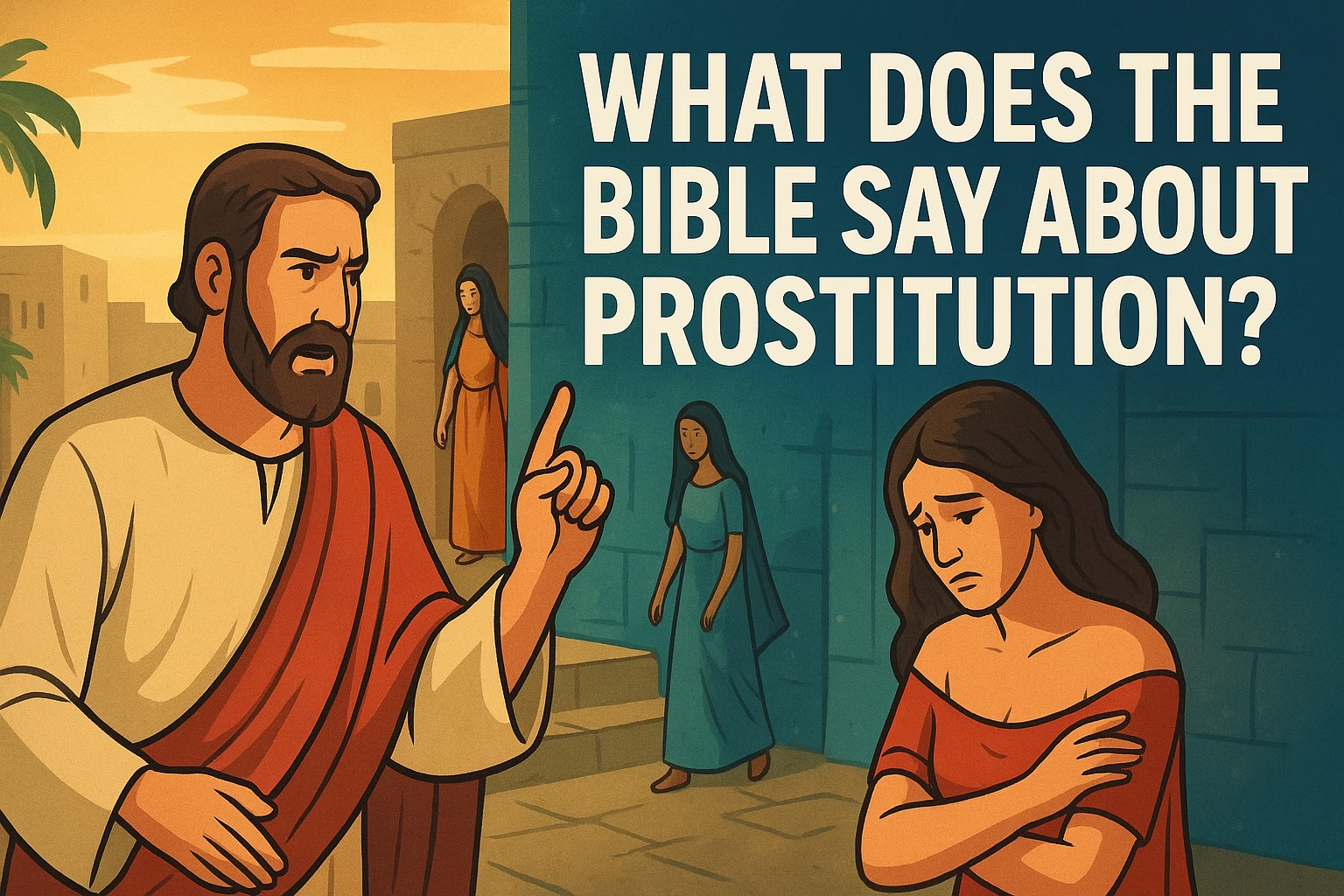
Prostitution is a complex and sensitive topic that has been addressed in various ways throughout the Bible. Understanding what the Scriptures say about prostitution requires examining specific passages, cultural contexts, and the broader themes of morality and redemption found in the biblical narrative. This article will explore the biblical perspective on prostitution, its implications, and how it relates to the teachings of Jesus and the early Church.
The Bible does not shy away from discussing prostitution, often presenting it in a negative light while also acknowledging the humanity of those involved. In both the Old and New Testaments, we see references to prostitutes, their roles, and the moral implications of their actions. While some passages condemn prostitution outright, others highlight the possibility of redemption and forgiveness.
Prostitution in the Old Testament
Law and Prohibition
The Old Testament contains several laws that address sexual immorality, including prostitution. For instance, in Deuteronomy 23:17-18, it states, “No Israelite man or woman is to become a shrine prostitute. You must never bring the earnings of a prostitute or the price of a dog into the house of the Lord your God to pay any vow, because the Lord your God detests them both.” This passage illustrates that prostitution was not only frowned upon but also considered a serious violation of God’s law.
In ancient Israel, shrine prostitution was often linked to pagan worship practices. Women would engage in sexual acts as part of rituals intended to appease fertility gods. As such, the prohibition against prostitution in this context was not only a moral stance but also a way to maintain the purity of worship and devotion to God.
Examples of Prostitution
Throughout the Old Testament, there are notable instances involving prostitutes. One such example is Rahab, a prostitute from Jericho. In Joshua 2, Rahab hid Israelite spies and helped them escape, demonstrating her faith in God. As a result, she and her family were spared during the conquest of Jericho (Joshua 6:25). Rahab’s story illustrates that despite her profession, she was able to receive grace and play a significant role in God’s plan, even becoming an ancestor of Jesus (Matthew 1:5).
Another example is found in the book of Hosea, where God commands the prophet to marry a prostitute named Gomer. This marriage symbolizes Israel’s unfaithfulness to God through idolatry and serves as a powerful metaphor for God’s unwavering love and desire for reconciliation. Hosea’s story emphasizes that God can redeem even those who are considered outcasts or sinful by society.
Prostitution in the New Testament
Jesus and the Outcasts
In the New Testament, Jesus’ ministry often included interactions with marginalized individuals, including prostitutes. One significant account is found in Luke 7:36-50, where a sinful woman, often interpreted as a prostitute, anoints Jesus’ feet with perfume and washes them with her tears. Jesus acknowledges her act of love and forgiveness, saying, “Her sins, which are many, have been forgiven; hence she has shown great love” (Luke 7:47, NLT). This passage highlights Jesus’ message of grace and redemption, showing that no one is beyond the reach of God’s love.
Additionally, in John 8:1-11, Jesus is confronted with a woman caught in the act of adultery. The religious leaders sought to stone her according to the law. Instead, Jesus responds with compassion, telling her, “Neither do I condemn you. Go now and leave your life of sin” (John 8:11, NLT). This interaction reveals Jesus’ emphasis on forgiveness and the opportunity for a new beginning, regardless of one’s past.
Teachings of the Apostles
The Apostle Paul addresses sexual immorality in several of his letters. In 1 Corinthians 6:15-20, he writes about the importance of honoring the body as a temple of the Holy Spirit. Paul warns against sexual sin, including prostitution, emphasizing that believers should flee from such behavior. He states, “You can’t take a prostitute and make her one with Christ” (1 Corinthians 6:15, paraphrase). This underscores the call for Christians to uphold a standard of purity and integrity in their lives.
Understanding the Context
It is essential to recognize the cultural context in which the biblical texts were written. In ancient societies, women often had limited rights and opportunities, which could lead some into prostitution as a means of survival. The Bible’s treatment of prostitution reflects not only moral concerns but also a recognition of the socio-economic factors that can contribute to such circumstances.
The prevailing attitude towards prostitution in the biblical world was largely negative, yet the Scriptures also convey a message of hope and restoration. The stories of Rahab and Gomer illustrate that God sees beyond a person’s past and offers a path to redemption. This theme resonates with the overall message of the Gospel: that through faith in Christ, anyone can be transformed and made new.
As we continue to explore the topic of prostitution in the Bible, it is crucial to consider how these ancient texts apply to contemporary issues surrounding sexual morality, human trafficking, and the dignity of individuals. Understanding the biblical perspective invites us to approach the subject with compassion and a desire for justice, reflecting the heart of God for all people.
The Moral Implications of Prostitution
Prostitution raises significant moral questions, both in biblical times and today. The Bible addresses sexual morality extensively, and prostitution is often cited as a violation of God’s design for human sexuality. In many passages, sexual relations are reserved for the context of marriage, highlighting the sacredness of that union. For instance, in Hebrews 13:4, the writer emphasizes that marriage should be honored and that the marriage bed must be kept pure, indicating that sexual relations outside of this covenant are not aligned with God’s will.
Furthermore, the Bible frequently connects sexual immorality with idolatry. In the Old Testament, engaging in prostitution is often linked to turning away from God and worshiping other gods. This connection serves to emphasize that sexual sin is not merely a private matter but has broader spiritual ramifications. It reflects a heart turned away from God, which is a recurring theme in Scripture.
Redemption and Restoration
While the Bible condemns prostitution and sexual immorality, it also offers a powerful narrative of redemption. The accounts of Rahab and Gomer serve as profound reminders that God’s grace extends to all, regardless of their past choices. This theme is echoed throughout Scripture, illustrating that God is in the business of transforming lives.
In the New Testament, Jesus exemplifies this redemptive message through His interactions with sinners. His willingness to engage with those labeled as outcasts, including prostitutes, demonstrates God’s heart for the lost. Jesus’ life and ministry reveal that no one is too far gone to receive forgiveness and a fresh start. This message of hope is a cornerstone of Christian faith, emphasizing that through Christ, individuals can be made new (2 Corinthians 5:17).
Contemporary Perspectives on Prostitution
In today’s world, the issue of prostitution is often intertwined with discussions about human trafficking, exploitation, and consent. The Bible’s message about the dignity of every individual resonates in contemporary debates about these issues. The Scriptures affirm the inherent worth of each person, created in the image of God (Genesis 1:27). This foundational truth calls Christians to advocate for justice and compassion for those who are vulnerable.
Moreover, understanding the socio-economic factors that lead individuals into prostitution is crucial. Many are driven by desperation, lack of opportunities, and systemic injustices. The Church is called to respond not only with condemnation but with practical support, providing resources and avenues for individuals to escape cycles of poverty and exploitation. This aligns with Jesus’ teachings on loving one’s neighbor and caring for the marginalized.
Questions for Reflection
Engaging with the topic of prostitution in light of Scripture invites deeper reflection on several important questions:
- How can we, as a community of believers, support those who find themselves in circumstances that lead to prostitution?
- What role does the Church play in addressing systemic issues that contribute to sexual exploitation?
- In what ways can we embody the grace and forgiveness that Jesus exemplified in our interactions with those involved in prostitution?
- How can we ensure that our understanding of sexual morality is rooted in love and compassion, rather than judgment?
These questions challenge us to consider our attitudes and actions toward those affected by prostitution and to reflect on how we can live out the gospel in a way that honors God and uplifts others.
Conclusion: A Call to Compassion and Justice
The Bible’s teachings on prostitution reveal a complex interplay of moral standards, grace, and the potential for redemption. While the Scriptures clearly condemn sexual immorality, they also highlight God’s love and desire for restoration. As followers of Christ, we are called to respond with compassion, advocating for justice and supporting those in need. By recognizing the dignity of every person and addressing the root causes of exploitation, we can reflect the heart of God in a world that often overlooks the marginalized.
Ultimately, the biblical perspective on prostitution challenges us to engage thoughtfully and compassionately with this issue, remembering that our mission is to share the love and hope found in Jesus with all, regardless of their past.
For further insights on related topics, you can read more about the role of the Church in addressing social issues at this article, and discover how Christians can respond to modern challenges surrounding sexuality in this piece.