The figure of Azrael often raises questions among those interested in biblical texts and angelology. Many people wonder whether Azrael is mentioned in the Bible, what role he plays, and how he fits into the broader context of spiritual beings described in Scripture. This article will explore these questions, providing clarity on who Azrael is and what the Bible says—or does not say—about him.
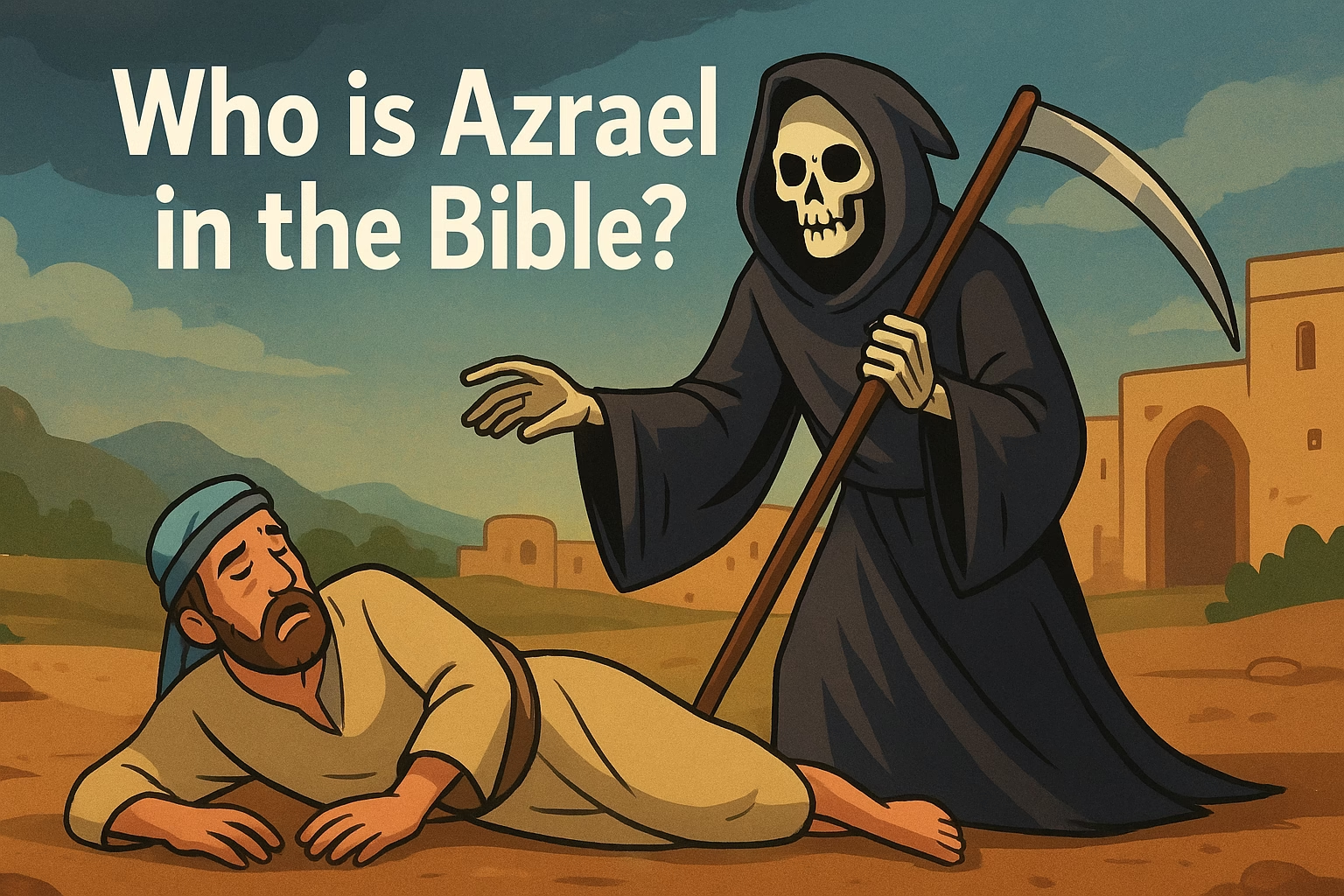
To answer the question directly, Azrael is not explicitly mentioned in the canonical texts of the Bible. The name Azrael, often referred to as the Angel of Death, is more commonly found in Jewish tradition and other religious texts rather than in Scripture itself. In the Bible, the concept of angels and their roles is well established, but the name Azrael does not appear among the angelic beings described in the Old or New Testaments.
The Nature of Angels in the Bible
Before delving deeper into the specifics of Azrael, it is essential to understand the nature of angels as depicted in the Bible. Angels are spiritual beings created by God to serve various purposes, including delivering messages, providing guidance, and carrying out God’s will.
Angels as Messengers
One of the primary roles of angels in the Bible is that of messengers. For example, the angel Gabriel appears to Mary to announce the birth of Jesus (Luke 1:26-38). Similarly, angels delivered messages to the shepherds at Christ’s birth (Luke 2:8-14). These instances highlight the angelic role of delivering divine messages and guidance.
Angels and Protection
Another significant aspect of angels in Scripture is their role in protection. Psalm 91:11 states, “For he will order his angels to protect you wherever you go.” This verse emphasizes the protective nature of angels, suggesting that they are sent by God to watch over His people.
Angels in the Book of Revelation
The Book of Revelation provides a glimpse into the heavenly realm, showcasing various angels and their activities. Angels are depicted as worshiping God, executing judgment, and revealing future events. For instance, Revelation 8 describes angels sounding trumpets to announce significant events during the end times. This portrayal emphasizes their role in carrying out God’s plans.
Azrael in Jewish Tradition
While Azrael is not mentioned in the Bible, he is a significant figure in Jewish folklore and mysticism. In these traditions, Azrael is often depicted as the Angel of Death, responsible for guiding souls to the afterlife. This characterization aligns with the broader theme of angels acting as intermediaries between God and humanity.
Role as the Angel of Death
In Jewish thought, Azrael is considered a compassionate figure who assists in the transition from life to death. Unlike depictions in some cultures where death is portrayed as frightening, Azrael is often seen as a gentle guide. This perspective emphasizes the importance of a peaceful passage and the belief in an afterlife.
Influence on Other Religions
The concept of Azrael has also influenced Islamic beliefs, where he is known as ‘Izra’il.’ Similar to Jewish tradition, he is regarded as the angel responsible for taking the souls of the deceased. This role is consistent across various religious narratives, highlighting a shared understanding of death and the afterlife.
Distinguishing Scripture from Tradition
While Azrael is a notable figure in Jewish and Islamic traditions, it is crucial to differentiate between these traditions and the biblical texts. The Bible itself does not mention Azrael or assign him the role of the Angel of Death. Instead, the Scriptures emphasize a range of angels who serve different functions, with the term “Angel of Death” not being explicitly defined in the biblical context.
Biblical References to Death and Angels
In the Bible, the closest reference to an angel associated with death might be found in the account of the tenth plague in Egypt, where the Lord sent the “destroyer” to strike down the firstborn (Exodus 12:23). However, this passage does not name Azrael or any specific angel in the context of death.
Understanding Death in the Bible
The Bible provides various insights into death, emphasizing the hope of resurrection and eternal life through faith in Jesus Christ. For instance, John 11:25-26 records Jesus stating, “I am the resurrection and the life. Anyone who believes in me will live, even after dying.” This assurance reflects the biblical perspective on death, focusing on the promise of eternal life rather than the role of an angelic figure like Azrael.
Conclusion of Part One
To summarize, Azrael is not a biblical figure but rather a character from Jewish and Islamic tradition, often associated with the role of the Angel of Death. The Bible presents a different understanding of angels and their functions, highlighting their roles as messengers and protectors without referencing Azrael. In exploring the concepts of death and the afterlife, Scripture focuses on the hope found in Jesus Christ rather than the involvement of a specific angel in the process of dying. In the next part of this article, we will further explore the implications of these beliefs and the broader understanding of angels in biblical context.
The Broader Implications of Angelology
Understanding the role of angels, including figures like Azrael, can significantly impact our perception of life, death, and the afterlife. While Azrael himself is not found in the Bible, the broader concept of angels provides a framework for understanding how spiritual beings interact with humanity. This understanding can influence how believers approach death and the hope of resurrection.
Angels and Human Experience
In biblical narratives, angels often appear during pivotal moments in human history, serving as divine messengers or protectors. Their involvement underscores the belief that God is actively engaged in the world. For instance, in the story of Daniel, angels provide guidance and revelations, showing that they are involved in God’s plans for humanity (Daniel 9:20-23).
This engagement can be comforting for believers, as it affirms that they are not alone in their struggles. The idea that angels are present to assist, protect, and guide can offer hope, particularly during challenging times such as illness or grief. While Azrael may not be a biblical figure, the essence of his role as a guide through death resonates with the biblical portrayal of angels as supportive beings.
Theological Reflections on Death
While Azrael is associated with death in Jewish and Islamic traditions, the Bible presents a different theological reflection on death. The New Testament emphasizes that death is not the end for believers. Paul writes in 1 Corinthians 15:55-57 about the victory over death through Christ, highlighting the transformative power of faith in Jesus. This victory is central to Christian belief and contrasts with the notion of an angel guiding souls into the afterlife.
Moreover, the biblical texts encourage believers to view death as a transition rather than a finality. This perspective can alleviate fear surrounding death, as it is framed within the context of eternal life and hope. The absence of a specific angelic figure like Azrael in this narrative suggests that the focus is more on the relationship between God and believers than on an intermediary angel.
Exploring the Nature of Death in Christian Theology
In Christian theology, death is often understood through the lens of sin and redemption. Romans 6:23 states, “For the wages of sin is death, but the free gift of God is eternal life through Christ Jesus our Lord.” This verse encapsulates the belief that while death is a consequence of sin, it is also an opportunity for redemption through faith in Jesus. This understanding shifts the focus from fear of death to hope in eternal life.
Furthermore, the resurrection of Jesus serves as the cornerstone of Christian hope. Believers are assured that just as Christ was raised from the dead, they too will experience resurrection (1 Corinthians 15:20-22). This promise diminishes the need for an angelic figure like Azrael, as the emphasis is placed on Christ’s victory over death rather than an angel’s role in the dying process.
Questions for Further Reflection
As we contemplate the nature of angels and their roles, several questions arise that may guide personal reflection:
- How does understanding angels as messengers and protectors influence your view of God’s involvement in your life?
- What does the biblical promise of eternal life mean for you in the context of loss and grief?
- How can the absence of a named angel of death in Scripture shape your understanding of death and the afterlife?
- In what ways can the hope of resurrection impact your daily choices and relationships with others?
Conclusion
In conclusion, while Azrael is not a biblical figure, the themes of angels and their roles are deeply woven into the fabric of Scripture. The Bible emphasizes the hope found in Jesus Christ, framing death as a transition rather than an end. This perspective invites believers to focus on their relationship with God and the promise of eternal life rather than the idea of an intermediary angel like Azrael. By exploring these concepts, believers can find comfort and strength in their faith, especially in the face of mortality.
For further insights into biblical teachings, consider exploring biblical teachings on death and the role of angels in the Bible.