The Easter story is one of the most significant narratives in the Christian faith, celebrating the resurrection of Jesus Christ. This event is foundational to Christian belief, representing hope, renewal, and victory over sin and death. To understand where the Easter story is located in the Bible, we need to explore the relevant passages that detail the events of Jesus’ crucifixion, death, and resurrection.
The Easter story is primarily found in the four Gospels: Matthew, Mark, Luke, and John. Each Gospel provides a unique perspective on the events surrounding the resurrection, with some variations in detail. By examining these texts, we can piece together the complete narrative of Easter.
The Passion Narratives
The Crucifixion
The Easter story begins with the Passion narratives, which recount the final days of Jesus’ life leading up to His crucifixion. Each Gospel describes this pivotal moment, where Jesus is arrested, tried, and ultimately sentenced to death. For example, in Matthew 27:35, it is mentioned that Jesus was crucified, and the soldiers divided His clothes by casting lots.
Mark 15:25 states that Jesus was crucified at the third hour, while Luke 23:33 mentions that He was crucified alongside two criminals. John 19:16-18 provides details about the place of crucifixion, known as Golgotha, meaning “the place of the skull.” These accounts highlight the suffering and sacrifice of Jesus, which is central to the Easter message.
The Burial
After Jesus’ death, His body was taken down from the cross and placed in a tomb. In Matthew 27:57-60, Joseph of Arimathea, a wealthy man and secret disciple of Jesus, requests the body and lays it in his own tomb. This moment is crucial as it sets the stage for the resurrection. Mark 15:40-47 and Luke 23:50-54 echo this account, emphasizing the sorrow of Jesus’ followers.
The Resurrection Accounts
The Empty Tomb
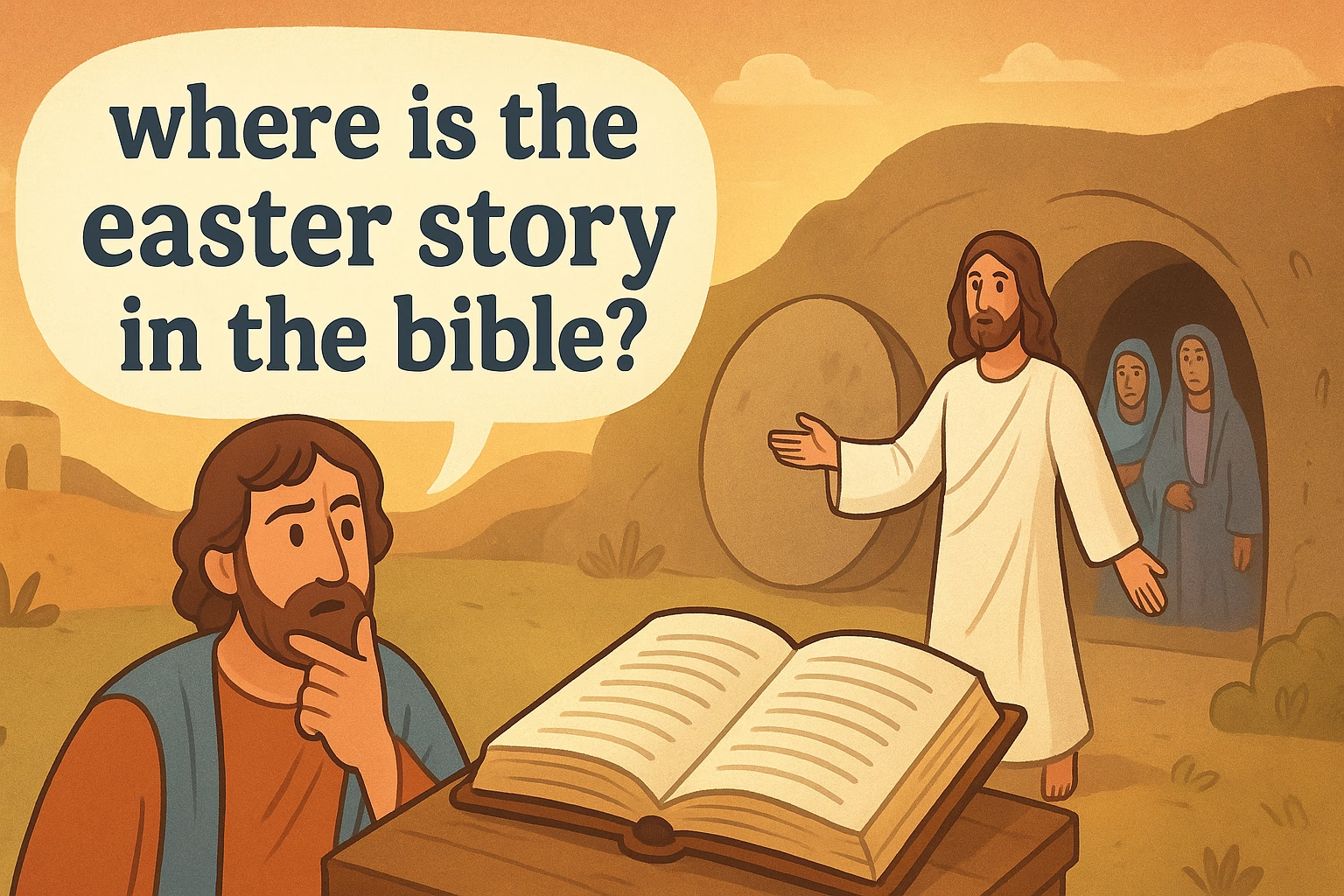
The resurrection of Jesus is the cornerstone of the Easter story. The Gospels recount that on the first day of the week, early in the morning, several women went to the tomb to anoint Jesus’ body. In Matthew 28:1-6, it describes how they found the tomb empty and were greeted by an angel who proclaimed, “He isn’t here! He has risen from the dead, just as he said would happen.” This announcement is a pivotal moment in the Easter narrative, affirming the fulfillment of Jesus’ predictions about His resurrection.
Mark 16:1-8 provides a similar account, detailing how Mary Magdalene, Mary the mother of James, and Salome approached the tomb. They were met with a young man dressed in white who told them that Jesus had risen. Luke 24:1-10 also emphasizes the women’s discovery of the empty tomb and their encounter with two angels who reminded them of Jesus’ words about His resurrection.
The Post-Resurrection Appearances
Following the discovery of the empty tomb, Jesus appears to His disciples and various followers, further validating His resurrection. In John 20:11-18, Mary Magdalene encounters the risen Jesus outside the tomb. Initially, she does not recognize Him, but when He calls her by name, she realizes who He is and is filled with joy.
In Matthew 28:16-20, Jesus later appears to the eleven disciples on a mountain in Galilee, where He gives them the Great Commission, instructing them to spread the Gospel to all nations. This moment underscores the importance of the resurrection, as it empowers the disciples to fulfill their mission.
Theological Significance of the Easter Story
Victory Over Death
The resurrection of Jesus is not merely a historical event; it carries profound theological implications for Christians. It signifies victory over sin and death, as stated in 1 Corinthians 15:55-57, where Paul writes, “O death, where is your victory? O death, where is your sting?” This victory is central to the Christian faith, offering hope of eternal life to believers.
Fulfillment of Prophecy
The resurrection also fulfills Old Testament prophecies and Jesus’ own predictions. Jesus foretold His death and resurrection multiple times throughout His ministry, as seen in Matthew 16:21 and Luke 9:22. These predictions establish His authority and divine nature, reinforcing the belief that He is the Messiah.
In addition, the resurrection is a fulfillment of prophecies found in the Hebrew Scriptures, such as Psalm 16:10, which speaks of God not abandoning His Holy One to the grave. This connection illustrates the continuity of God’s plan throughout history, culminating in the resurrection of Christ.
By examining the Passion narratives and resurrection accounts in the Gospels, we find a rich tapestry of events that make up the Easter story. This narrative is not only a historical account but also a profound declaration of hope and salvation for all who believe.
Exploring the Easter Story in the Old Testament
While the Easter story is primarily found in the New Testament, its roots can be traced back to the Old Testament. Many Christians believe that the resurrection of Jesus is foreshadowed in various passages throughout the Hebrew Scriptures. These prophetic writings provide a deeper understanding of the significance of Easter.
Foreshadowing Through Sacrificial Themes
The concept of sacrifice is central to both the Old and New Testaments. In the Old Testament, the sacrificial system established in Leviticus illustrates the necessity of atonement for sin. The Passover lamb, for instance, symbolizes deliverance and redemption. In Exodus 12, the Israelites were instructed to sacrifice a lamb and mark their doorposts with its blood to be spared from the final plague in Egypt. This event is seen as a precursor to Jesus, the Lamb of God, who sacrifices Himself for the sins of humanity.
Isaiah 53 is another poignant passage that Christians associate with the suffering of Christ. This chapter describes a servant who bears the sins of many and is wounded for transgressions. The imagery and language reflect the suffering and ultimate sacrifice that Jesus would endure, highlighting the prophetic nature of His mission.
Resurrection Hints in the Old Testament
In addition to themes of sacrifice, there are hints of resurrection in the Old Testament that resonate with the Easter story. For example, Psalm 16:10 states that God will not allow His holy one to see decay. Many Christians interpret this as a prophetic reference to Jesus’ resurrection, affirming that He would rise before experiencing physical decay.
Furthermore, the story of Jonah is often cited as a typological foreshadowing of Jesus’ resurrection. In Matthew 12:40, Jesus Himself refers to Jonah’s three days in the belly of a great fish as a sign of His own time in the grave before rising again. This connection emphasizes the continuity of God’s plan for salvation throughout Scripture.
The Role of Women in the Easter Story
The Easter story is notable for the prominent role women play in the resurrection accounts. In a cultural context where women often had limited recognition, the Gospels highlight their critical involvement in the events surrounding Jesus’ death and resurrection.
Witnesses to the Resurrection
In all four Gospels, women are the first witnesses to the empty tomb. Mary Magdalene, in particular, is significant for her unwavering loyalty to Jesus. She is depicted as the one who first sees the risen Christ and is entrusted with the message to share with the disciples. This act of commissioning underscores the importance of women in the early Christian community and their vital role in proclaiming the resurrection.
Moreover, the inclusion of women as primary witnesses serves to validate the resurrection narrative. In a time when women’s testimonies were often dismissed, their presence as the first evangelists adds credibility to the accounts of Jesus’ resurrection and highlights God’s inclusive nature in His redemptive plan.
Questions for Reflection and Application
As we explore the Easter story, it is essential to reflect on its implications for our lives today. Here are some questions that may help deepen your understanding and personal connection to this event:
- What does the resurrection of Jesus mean for your personal faith and relationship with God?
- How can you embody the hope and renewal that the Easter story represents in your daily life?
- In what ways can you share the message of the resurrection with others in your community?
- How does understanding the Old Testament connections to Jesus’ resurrection enhance your appreciation for the New Testament narrative?
These questions encourage not only theological reflection but also practical application of the Easter message in our lives. They challenge believers to live out the hope and joy that the resurrection brings.
Conclusion: The Enduring Legacy of the Easter Story
The Easter story is much more than a historical account; it is a transformative narrative central to the Christian faith. Found in the Gospels of Matthew, Mark, Luke, and John, this story encompasses the profound themes of sacrifice, redemption, and resurrection. By examining the connections between the Old and New Testaments, we gain a deeper appreciation for the fulfillment of God’s promises through Jesus Christ.
As Christians celebrate Easter, they are reminded of the hope that comes from the resurrection and the call to share this good news with the world. The resurrection serves as a powerful reminder of God’s love, grace, and the promise of eternal life for all who believe.
To learn more about how the Easter story is intertwined with other biblical themes, check out these articles: the significance of the Passover in Christian faith and the role of women in the early church.