The Bible is a rich tapestry of history, theology, and spiritual guidance, and understanding its structure is essential for anyone studying its content. Among its many books, each has its own unique purpose and message. This article will explore the second book of the Bible, providing insights into its themes, characters, and significance in the broader biblical narrative.
The second book of the Bible is Exodus. This book follows Genesis and is pivotal in the biblical story, detailing the Israelites’ journey from slavery in Egypt to freedom and the establishment of their covenant relationship with God.
Overview of Exodus
Exodus is the second book in the Pentateuch, which is the first five books of the Old Testament traditionally attributed to Moses. The name “Exodus” itself means “a way out” or “departure,” which aptly describes the central theme of the book: the liberation of the Israelites from Egyptian bondage.
Historical Context
Exodus is set in a time when the Israelites had been enslaved in Egypt for several generations. The book begins with a description of their suffering and the oppressive measures imposed by Pharaoh, the ruler of Egypt. As the narrative unfolds, we see God raising up a leader, Moses, to deliver His people from slavery.
The Call of Moses
One of the most significant events in Exodus is the calling of Moses. In Exodus 3, God speaks to Moses from a burning bush, revealing His plan to deliver the Israelites. God identifies Himself as “I AM” and commands Moses to lead the people out of Egypt. This pivotal moment emphasizes God’s personal relationship with His people and His commitment to their liberation.
The Ten Plagues
Following Moses’ call, the narrative introduces the ten plagues that God sends upon Egypt. These plagues serve as both a judgment against Pharaoh and the Egyptian gods and a demonstration of God’s power. Each plague escalates in severity, culminating in the death of the firstborn, which finally convinces Pharaoh to let the Israelites go.
The Passover
Before the final plague, God instructs the Israelites to celebrate the Passover, where they sacrifice a lamb and mark their doorposts with its blood. This act signifies their obedience and faith in God’s protection. When the angel of death passes through Egypt, it spares those homes marked with the blood, leading to the eventual exodus of the Israelites. The Passover becomes a foundational event in Jewish tradition, symbolizing deliverance and God’s faithfulness.
Departure from Egypt
After the plagues, the Israelites leave Egypt in haste, taking with them unleavened bread and treasures given to them by the Egyptians. This moment marks a significant turning point in their history, as they transition from slavery to freedom. Exodus 12:51 records, “On that same day, the Lord brought the Israelites out of the land of Egypt like an army.” This imagery highlights the strength and determination of God in delivering His people.
The Crossing of the Red Sea
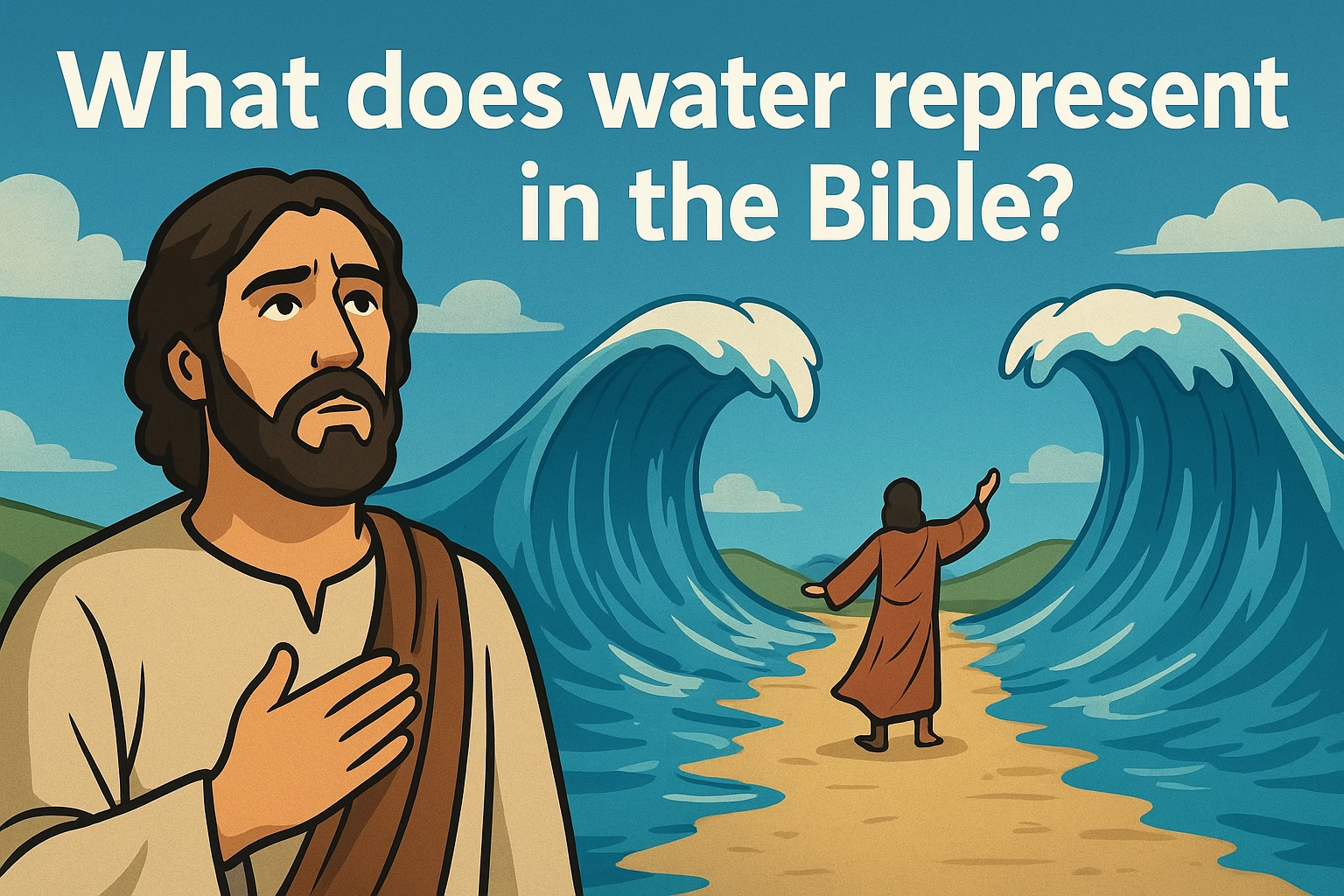
As the Israelites journey toward the Promised Land, they encounter the Red Sea. With Pharaoh’s army in pursuit, they find themselves trapped. However, God miraculously parts the waters, allowing the Israelites to cross on dry ground. When the Egyptians attempt to follow, the waters return, drowning Pharaoh’s forces. This event not only signifies God’s power but also serves as a moment of faith for the Israelites, as they witness God’s deliverance firsthand.
Receiving the Law at Sinai
After their escape from Egypt, the Israelites arrive at Mount Sinai, where they receive the Law from God. This section of Exodus details the covenant relationship established between God and His people. The Ten Commandments, found in Exodus 20, serve as the moral foundation for Israelite society and outline how the people are to live in relationship with God and one another.
The Role of the Tabernacle
In addition to the commandments, God provides instructions for building the Tabernacle, a portable sanctuary where His presence would dwell among the people. The Tabernacle symbolizes God’s desire to be close to His people, offering a means for them to worship and seek His presence. The detailed descriptions of its construction reflect the importance of holiness and reverence in approaching God.
Challenges in the Wilderness
Exodus also chronicles the challenges faced by the Israelites as they journey through the wilderness. Despite their miraculous deliverance, they often struggle with doubt and disobedience. The narrative highlights their complaints about food and water, leading to God’s provision of manna and quail. This period serves as a lesson in faith, trust, and reliance on God’s provision.
Conclusion of Part One
Exodus is a foundational book that sets the stage for understanding the Israelites’ identity as God’s chosen people. It narrates their journey from slavery to freedom, emphasizes the importance of God’s law, and illustrates the challenges of faith. As we continue to explore Exodus, we will delve deeper into its teachings and implications for both ancient and modern believers.
Theological Themes in Exodus
Exodus is not only a historical account but also rich in theological themes that resonate throughout the Bible. One of the most prominent themes is liberation. The book portrays God as a liberator who hears the cries of the oppressed and intervenes on their behalf. This theme of liberation extends beyond the Israelites’ exodus from Egypt to the broader Christian understanding of salvation through Jesus Christ, who offers freedom from sin and spiritual bondage.
Another significant theme in Exodus is covenant. The establishment of the covenant at Sinai signifies God’s commitment to His people and their responsibility to uphold His laws. This covenant relationship is foundational for understanding God’s interactions with humanity throughout Scripture, culminating in the New Covenant established by Jesus.
God’s Presence and Holiness
The concept of God’s presence is central to Exodus. The Tabernacle, which God commands the Israelites to build, is a physical representation of His dwelling among them. The meticulous instructions for its construction emphasize God’s holiness and the need for reverence in worship. This theme continues to be significant in Christian theology, where believers view Jesus as the ultimate fulfillment of God’s presence among humanity, and the Holy Spirit as God’s presence within believers.
Exodus and the New Testament
The connection between Exodus and the New Testament is profound. Many events and symbols in Exodus foreshadow New Testament truths. For example, the Passover lamb is seen as a precursor to Christ, who is referred to as the “Lamb of God” in the Gospel of John. Just as the blood of the lamb protected the Israelites, Christ’s sacrifice offers protection from sin and death for all who believe.
Furthermore, the journey of the Israelites through the wilderness mirrors the Christian journey of faith. Just as the Israelites faced trials and temptations, Christians are called to navigate their spiritual wilderness, relying on God’s guidance and provision. This parallel encourages believers to find hope and strength in God’s promises during difficult times.
Lessons on Leadership and Community
Exodus also provides valuable lessons on leadership and community. Moses, as a leader, faces numerous challenges, including the discontent of the people and his own insecurities. His journey teaches the importance of humility, dependence on God, and the necessity of communal support. The dynamics between Moses and the Israelites highlight the need for effective leadership that listens to the needs of the community while remaining faithful to God’s calling.
Questions for Reflection
As we consider the themes and events of Exodus, several questions arise that can deepen our understanding and application of the text:
- In what ways do we experience personal liberation in our own lives, and how can we help others find freedom?
- How do the laws and commandments given in Exodus inform our understanding of right and wrong in today’s society?
- What does it mean for us to live in covenant relationship with God, and how can we embody that in our daily lives?
- How do we respond to challenges and doubts in our spiritual journey, and what practices can help us build faith and trust in God’s provision?
- What role does community play in our faith journey, and how can we support one another as we navigate our own wilderness experiences?
The Legacy of Exodus
The legacy of Exodus extends beyond the pages of Scripture. It has profoundly influenced Jewish tradition, shaping their identity, worship practices, and annual celebrations such as Passover. For Christians, the themes of liberation, covenant, and God’s faithfulness continue to resonate, offering hope and guidance in their spiritual walks.
Understanding Exodus is essential for grasping the overall narrative of the Bible. It lays the groundwork for the subsequent books of the Old Testament and informs the New Testament’s teachings. The story of Exodus reminds believers of God’s enduring presence, His commitment to justice, and the call to live in accordance with His will.
Conclusion
In summary, Exodus serves as a powerful testament to God’s character and His relationship with His people. It illustrates the journey from oppression to freedom, the establishment of a covenant, and the challenges faced along the way. As believers engage with this book, they are invited to reflect on their own lives and the ways God is working to liberate, guide, and sustain them through their own journeys of faith.
For further exploration of the themes in Exodus and their implications for modern believers, consider reading about Christian perspectives on the Old Testament and the significance of the Passover in Christian faith.