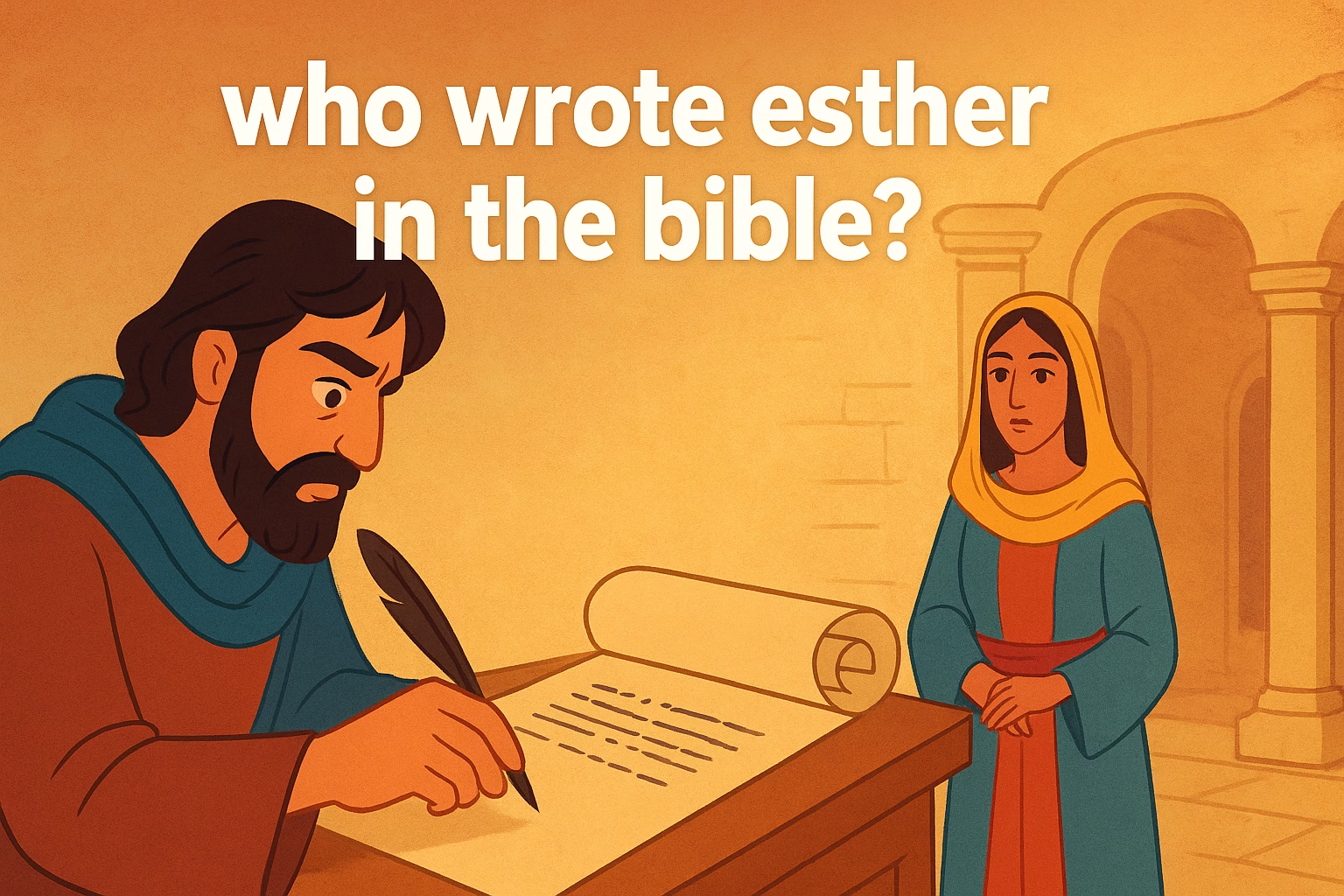
The Book of Esther is one of the unique texts in the Bible, renowned for its captivating narrative and absence of direct references to God. Understanding who wrote this book is essential for grasping its historical and theological context. The authorship of Esther has been a topic of discussion and debate among scholars, theologians, and believers alike.
Traditionally, the authorship of Esther has been attributed to Mordecai, a central character in the story. Some sources suggest that Mordecai, who is described as a Jew living in Persia and the cousin of Esther, may have recorded the events surrounding Queen Esther and the deliverance of the Jewish people from Haman’s plot. However, there is no definitive evidence to confirm this claim, leaving the authorship open to interpretation.
Historical Context of the Book of Esther
The Book of Esther is set during the reign of King Xerxes I of Persia, around the 5th century BCE. This period is significant for the Jewish people, as it follows their exile and the return to Jerusalem. The narrative revolves around Esther, a Jewish woman who becomes queen and plays a pivotal role in saving her people from destruction.
Esther’s story highlights themes of courage, identity, and divine providence, even though God is not explicitly mentioned. The historical context helps us understand the significance of the events and the potential motivations behind the writing of the book. It also raises questions about the identity of the author and their intentions.
Evidence and Theories Surrounding Authorship
While Mordecai is a traditional candidate for authorship, other theories exist. Some scholars argue that the book may have been written by an anonymous author who was well-acquainted with Persian customs and the Jewish diaspora’s plight. Here are some key considerations:
- Literary Style: The writing style of Esther is distinct, characterized by its narrative structure and dramatic elements. Some scholars believe that the sophisticated prose suggests a skilled author, possibly from the Jewish community in Persia.
- Historical Accuracy: The book contains details about Persian court life and customs, indicating that the author had firsthand knowledge of the culture. This has led to speculation that the author could have been someone living during the time of Esther or shortly thereafter.
- Religious Intent: The absence of direct references to God might suggest that the author was focusing on the human elements of the story, emphasizing the importance of faith and action in the face of adversity.
Tradition vs. Scholarship
The traditional view that Mordecai wrote Esther is not universally accepted. Many modern scholars approach the text through various lenses, including historical-critical methods. They explore the literary and theological dimensions of the book, often concluding that its authorship is more complex than a single individual.
Some suggest that the book may have undergone multiple revisions or edits over time, incorporating perspectives from various authors or communities. This view emphasizes the communal aspect of the Jewish experience, particularly during the time of exile.
Key Passages and Their Implications
Several passages in Esther provide insight into the narrative and its themes, allowing us to reflect on the possible motivations of the author. For instance, the declaration made by Esther in Esther 4:16, “If I perish, I perish,” exemplifies her bravery and willingness to act for her people. This moment encapsulates the essence of the story and could indicate the author’s intent to inspire courage among readers.
Additionally, the establishment of the festival of Purim in Esther 9:26-28 serves as a crucial element in the narrative. The author’s emphasis on commemorating the events suggests a desire to preserve the memory of the Jewish people’s deliverance and to reinforce their identity as a community. This focus on remembrance and celebration may reflect the author’s background and purpose.
Concluding Thoughts on Authorship
In summary, while the traditional attribution of authorship to Mordecai provides a historical anchor for the Book of Esther, the reality is more nuanced. The text’s rich narrative, combined with its historical context and thematic depth, suggests that the authorship may involve multiple influences and perspectives. The exploration of Esther’s authorship invites readers to delve deeper into the text, examining its significance within the broader biblical narrative and the Jewish experience.
As we continue to explore the Book of Esther, it becomes evident that understanding its authorship is not merely an academic exercise but a journey into the heart of a story that has resonated with countless generations. The themes of courage, identity, and divine providence continue to inspire faith and reflection today.
The Role of Esther in Jewish Tradition
The Book of Esther holds a special place in Jewish tradition, particularly due to its association with the festival of Purim. This celebration commemorates the events described in Esther, highlighting the themes of survival and divine intervention. During Purim, Jews engage in various customs, such as reading the Megillah (the Scroll of Esther), dressing in costumes, and partaking in feasts. These traditions emphasize the importance of remembering the past and celebrating identity, which resonates deeply within the Jewish faith.
The significance of Esther as a heroine is also notable. She embodies qualities of bravery, wisdom, and self-sacrifice, making her a role model for many. Her story is often interpreted as a narrative that encourages individuals to act courageously in the face of adversity. This aspect of her character reinforces the idea that one can make a difference, regardless of their circumstances, which is a powerful message for readers and believers alike.
Connections to Other Biblical Texts
Esther’s narrative intersects with themes found in other biblical texts, enriching its interpretation. The story’s exploration of identity and faith parallels other accounts of Jewish survival, such as those in the books of Daniel and Nehemiah. These texts also deal with the challenges faced by the Jewish people in foreign lands and the importance of maintaining their identity and faith.
In addition, Esther’s story can be seen as a precursor to the New Testament’s themes of redemption and sacrifice. The courage displayed by Esther in risking her life for her people echoes the ultimate sacrifice made by Jesus Christ, highlighting a continuity of faith and the call to righteousness throughout the Bible. This connection invites deeper reflection on how God’s providence operates in both the Old and New Testaments.
Authorship and Its Theological Implications
The question of who wrote the Book of Esther extends beyond mere authorship; it invites theological reflection on the nature of Scripture itself. The absence of God’s name in the text raises questions about divine presence and action in the lives of believers. Some theologians suggest that this omission serves a purpose, encouraging readers to see God’s hand in the unfolding events, even when it is not explicitly stated. This idea can be comforting, as it implies that God is at work in the world, even in situations that may seem devoid of His influence.
Furthermore, the possibility of multiple authors or revisions implies a communal approach to faith and storytelling. This perspective emphasizes that Scripture is not only a record of divine revelation but also a reflection of the lived experiences of a community. The Book of Esther, therefore, becomes a testament to the collective memory and identity of the Jewish people, showcasing how their history and faith intertwine.
Questions for Further Reflection
As we ponder the authorship of Esther and its implications, several questions arise that can guide further exploration:
- What does the absence of direct references to God in Esther teach us about faith and divine presence in our lives?
- How does Esther’s story challenge or affirm our understanding of courage and identity in the face of adversity?
- In what ways does the communal aspect of the narrative reflect the broader Jewish experience throughout history?
- How can the themes in Esther inform our understanding of sacrifice and redemption in the context of the New Testament?
These questions can serve as a springboard for personal reflection, group study, or sermon preparation, inviting deeper engagement with the text and its relevance today.
Final Thoughts on the Book of Esther
In conclusion, while the authorship of the Book of Esther remains uncertain, the text’s narrative richness and historical context provide ample material for reflection and study. The story of Esther transcends its authorship, offering timeless lessons on courage, identity, and the importance of community. As readers delve into the complexities of this book, they are invited to consider not only the events of the past but also their implications for faith and life in the present.
Ultimately, the Book of Esther challenges us to recognize the divine in our everyday lives, encouraging us to act with bravery and purpose. As we celebrate Purim and reflect on Esther’s legacy, we continue to find inspiration in her story, reminding us that we are all called to stand up for what is right and just.
For further exploration of the themes found in Esther, consider reading about the significance of Purim and the Jewish experience during exile. You can find more information in these articles: understanding Purim and the Jewish diaspora.