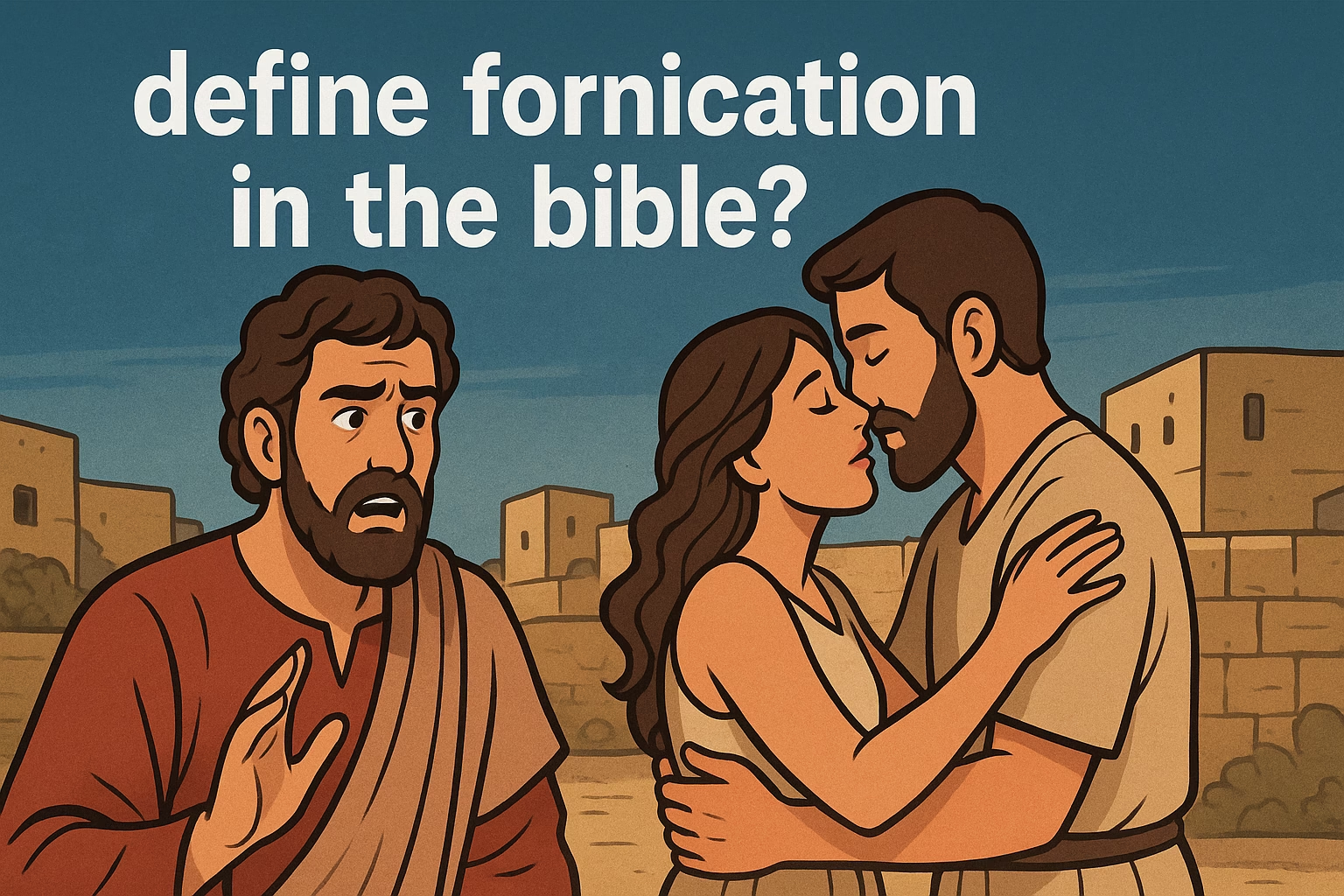
Fornication is a term that often raises questions among believers and those exploring the Christian faith. It is important to understand what the Bible says about fornication, its implications, and its context within Scripture. This article aims to clarify the definition of fornication as presented in the Bible, helping readers to grasp its significance in both historical and contemporary settings.
The term “fornication” generally refers to sexual relations between individuals who are not married to each other. In biblical terms, it is often associated with sexual immorality and is considered a serious sin. The Greek word commonly translated as “fornication” in the New Testament is “porneia,” which encompasses a range of sexual activities outside the bounds of marriage. This includes premarital sex, adultery, and other forms of sexual misconduct.
The Biblical Context of Fornication
To understand fornication, it is crucial to look at how it is addressed in Scripture. The Bible contains several passages that speak on this topic, providing insight into God’s view of sexual morality.
Old Testament Teachings
In the Old Testament, sexual relations outside of marriage were condemned. The Law given to the Israelites included strict guidelines regarding sexual behavior. For example, in Leviticus 18, various forms of sexual immorality are outlined, including incest and adultery. This chapter emphasizes the importance of sexual purity and the consequences of sexual sin.
“You must not have sexual relations with your sister or half-sister, whether she is your father’s daughter or your mother’s daughter.” (Leviticus 18:9 NLT)
Additionally, Deuteronomy 22:20-21 prescribes severe penalties for those who engage in premarital sexual relations, reflecting the seriousness with which God views fornication. The underlying principle is that sexual intimacy is intended to be expressed within the covenant of marriage, a sacred union established by God.
New Testament Insights
The New Testament continues to address fornication, reinforcing the teachings of the Old Testament. In 1 Corinthians 6:18, the Apostle Paul urges believers to “run from sexual sin.” He emphasizes that sexual immorality is a sin against one’s own body, highlighting the physical and spiritual consequences of such actions.
“Run from sexual sin! No other sin so clearly affects the body as this one does. For sexual immorality is a sin against your own body.” (1 Corinthians 6:18 NLT)
In Galatians 5:19-21, Paul lists fornication among the “works of the flesh,” indicating that it is contrary to the life led by the Spirit. This passage serves as a warning to believers about the dangers of engaging in sexual immorality and the impact it can have on their relationship with God.
The Consequences of Fornication
The Bible does not merely present fornication as a set of rules to follow; it also highlights the consequences of engaging in such behavior. Fornication can lead to various negative outcomes, both spiritually and emotionally.
Spiritual Consequences
One of the most significant consequences of fornication is the spiritual separation it can cause between the believer and God. Sin creates a barrier in the relationship with the Lord, hindering fellowship and spiritual growth. In Ephesians 5:3-5, Paul warns that sexual immorality has no place among the people of God, as it can lead to spiritual death and judgment.
“Let there be no sexual immorality, impurity, or greed among you. Such sins have no place among God’s people.” (Ephesians 5:3 NLT)
Emotional and Relational Consequences
Beyond spiritual ramifications, fornication can also result in emotional turmoil and relational strife. Engaging in sexual relationships outside of marriage often leads to feelings of guilt, shame, and regret. It can also complicate relationships, causing distrust and heartache between partners.
In Proverbs 6:32-33, the writer warns about the consequences of adultery, which can be applied to fornication as well. The emotional pain and loss of honor that accompany sexual immorality are highlighted, emphasizing the need for wisdom and self-control in matters of sexuality.
“But the man who commits adultery is an utter fool, for he destroys himself. He will be wounded and disgraced. His shame will never be erased.” (Proverbs 6:32-33 NLT)
Fornication in Modern Context
In today’s society, the definition and perception of fornication can vary greatly. Many people view premarital sexual relations as acceptable, often influenced by cultural norms and societal changes. However, the biblical standard remains unchanged. For Christians, understanding and adhering to God’s design for sexuality is paramount.
Many believers struggle with the tension between cultural acceptance and biblical teachings on fornication. It is essential to approach this topic with grace and truth, recognizing that while the call to sexual purity is clear in Scripture, God’s love and forgiveness are also available to those who have sinned.
In summary, fornication in the Bible refers to sexual relations outside of marriage, encompassing a range of immoral behaviors. The Scriptures provide clear guidance on the importance of sexual purity and the consequences of engaging in fornication. Understanding these principles can help believers navigate the complexities of modern relationships while remaining faithful to God’s Word.
Fornication and Its Broader Implications
While fornication primarily refers to sexual relations outside of marriage, its implications extend far beyond mere physical acts. The Bible frequently associates fornication with idolatry, highlighting how sexual immorality can lead individuals away from their devotion to God. In the Old Testament, the Israelites often turned to foreign gods, and sexual acts were sometimes part of pagan worship. This connection serves as a reminder that fornication can represent a spiritual betrayal as well as a moral failing.
Fornication as Idolatry
In the book of Hosea, God uses the metaphor of marital unfaithfulness to describe Israel’s infidelity to Him. The nation is likened to an unfaithful wife who engages with other lovers, representing their turning away from God to worship idols. In Hosea 4:12, the prophet notes, “My people consult a wooden idol, and a diviner’s rod speaks to them. A spirit of prostitution leads them astray; they are unfaithful to their God.” This illustrates how fornication can symbolize a deeper spiritual issue, where the heart is drawn towards things that replace a relationship with God.
In the New Testament, the Apostle John warns believers to avoid the lust of the flesh, which can lead to spiritual death (1 John 2:16). The connection between sexual immorality and idolatry serves as a crucial teaching for believers, indicating that the battle against fornication is not simply a fight against physical desire but also a struggle for spiritual fidelity.
Community and Accountability
The Bible emphasizes the importance of community in addressing issues of sexual morality, including fornication. Believers are called to support one another in their spiritual journeys and hold each other accountable. In Galatians 6:1, Paul instructs believers to restore those caught in sin gently, indicating that the church community plays a vital role in helping individuals resist temptation and pursue holiness.
Church Discipline and Restoration
In cases where fornication occurs within the church, the Bible outlines a process for addressing the sin. In Matthew 18:15-17, Jesus provides guidelines for confronting a brother or sister caught in sin. This process begins with a private conversation and can escalate to involve the church community if the individual does not repent. The goal of such discipline is not punishment but restoration, highlighting the importance of reconciliation and healing within the body of Christ.
Furthermore, in 1 Corinthians 5, Paul addresses a case of sexual immorality within the church, urging the community to remove the unrepentant individual to protect the integrity of the church. This passage underscores the seriousness of fornication and the need for the church to maintain a standard of holiness. However, it also emphasizes the hope of restoration for those who repent and seek forgiveness.
Forgiveness and Healing
While the Bible presents a clear stance on fornication, it also offers a message of hope and redemption. Many individuals struggle with guilt and shame due to past sexual sins, but Scripture assures believers that God’s grace is sufficient to cover all sins. In 1 John 1:9, it states, “If we confess our sins, he is faithful and just to forgive us our sins and to cleanse us from all unrighteousness.” This promise encourages believers to seek forgiveness and healing, no matter their past.
The Role of Grace in Overcoming Fornication
Understanding the grace of God is vital for anyone who has fallen into fornication. It is essential to recognize that while sin has consequences, God’s love and mercy are more profound than our failures. The story of the woman caught in adultery (John 8:1-11) exemplifies this grace. Jesus did not condemn her but instead offered her a chance for a new beginning, urging her to “go and sin no more.” This illustrates the heart of God toward those who repent and seek to live righteously.
Questions for Reflection
As Christians seek to navigate the complexities of fornication and sexual morality, it is beneficial to reflect on several questions:
- How can I cultivate a deeper understanding of God’s design for sexuality in my life?
- What steps can I take to build accountability and support within my community regarding sexual purity?
- In what ways can I extend grace to others who struggle with sexual sin, while still upholding biblical standards?
- How do cultural views on fornication challenge or affirm my understanding of biblical teachings?
- Am I allowing past mistakes to hinder my relationship with God, or am I embracing His forgiveness and moving forward?
These questions can guide believers in their journey toward understanding fornication in a biblical context and encourage a lifestyle that honors God.
Conclusion: Embracing God’s Design for Sexuality
Fornication, as defined in the Bible, encompasses a range of sexual behaviors outside of marriage and carries significant spiritual, emotional, and relational consequences. The Scriptures urge believers to uphold God’s standards for sexual purity while recognizing the importance of grace, forgiveness, and community support. By seeking to understand and apply biblical teachings on fornication, Christians can navigate their relationships in a way that honors God, fosters spiritual growth, and ultimately leads to deeper intimacy with Him.
For further exploration of biblical teachings and practical guidance on understanding fornication, consider reading about Christian sexual ethics and how to navigate contemporary challenges while staying true to biblical principles.