The concept of hell is one that evokes a range of emotions and thoughts for many people. It is often viewed as a place of punishment, separation, and despair. In the Bible, hell is mentioned in various contexts, offering insights into its nature and purpose. This article will explore what the Bible says about hell, drawing from specific passages and themes to provide a clearer understanding of this complex topic.
According to the Bible, hell is depicted as a place of torment and separation from God. Various passages provide vivid imagery and descriptions that help paint a picture of what hell is like. The teachings of Jesus, as well as the writings of the apostles, contribute to our understanding of this solemn subject.
Descriptions of Hell in Scripture
Gehenna: The Place of Fire
One of the most commonly referenced terms for hell in the New Testament is “Gehenna.” This term originally referred to a valley outside Jerusalem known for its association with child sacrifices and later as a garbage dump where fires burned continuously. Jesus used Gehenna as a metaphor for hell, describing it as a place of unquenchable fire. In Mark 9:43, He warns, “If your hand causes you to stumble, cut it off. It is better for you to enter life maimed than with two hands to go into hell, where the fire never goes out.” This imagery underscores the severity and permanence of the punishment awaiting the unrepentant.
The Outer Darkness
Another vivid description of hell is found in the concept of “outer darkness.” In Matthew 8:12, Jesus speaks of the fate of the unfaithful, saying, “But the subjects of the kingdom will be thrown outside, into the darkness, where there will be weeping and gnashing of teeth.” This phrase suggests a profound sense of despair and alienation from God and His presence. The darkness symbolizes not only physical separation but also spiritual desolation.
The Nature of Punishment
Eternal Separation from God
At the core of the biblical understanding of hell is the idea of eternal separation from God. In 2 Thessalonians 1:9, Paul writes about those who do not know God and do not obey the gospel, stating they “will be punished with everlasting destruction and shut out from the presence of the Lord.” This separation is often viewed as the ultimate consequence of rejecting a relationship with God during life on Earth.
Torment and Regret
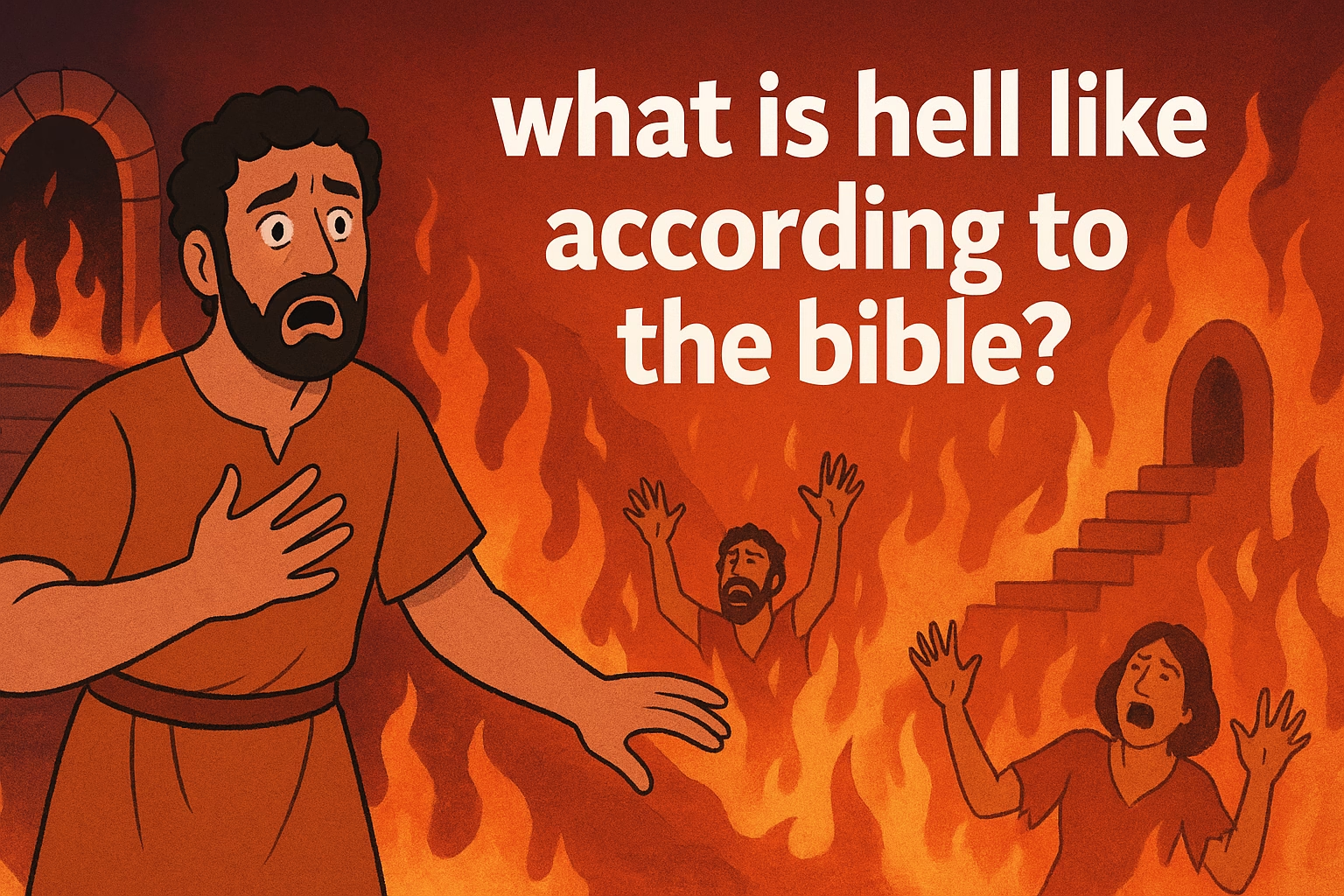
Scripture also indicates that hell involves torment and regret. In Luke 16:23-24, Jesus tells the parable of the rich man and Lazarus, where the rich man, after death, finds himself in Hades, suffering in flames. He cries out for relief, asking Abraham to send Lazarus to cool his tongue. This passage illustrates not only physical torment but also the anguish of knowing that one’s choices in life have led to eternal suffering.
Symbolism and Interpretation
Metaphorical Language
Many scholars and theologians point out that while the Bible provides vivid descriptions of hell, some of the language used may be metaphorical. The imagery of fire, darkness, and torment serves to convey the seriousness of spiritual consequences rather than provide a detailed, literal map of hell. For example, the fire may symbolize purification or intense suffering, while darkness signifies the absence of God’s light and love.
Varied Interpretations Among Christians
Different Christian denominations and theologians interpret the nature of hell in various ways. Some view it as a literal place of eternal punishment, while others see it as a state of separation from God or a temporary purging process. The debate over the nature of hell has led to diverse beliefs about its duration and purpose. For instance, some argue for universal reconciliation, where ultimately all souls are restored to God, while others hold firmly to the traditional view of eternal punishment.
Hope and Redemption
The Call to Repentance
While the descriptions of hell can be sobering, the Bible also emphasizes God’s desire for all to come to repentance. In 2 Peter 3:9, it is stated, “The Lord is not slow in keeping his promise, as some understand slowness. Instead, he is patient with you, not wanting anyone to perish, but everyone to come to repentance.” This highlights that the purpose of warnings about hell is not to instill fear but to encourage people to turn back to God while there is still time.
The Promise of Salvation
Ultimately, the message of the Bible is one of hope. Through faith in Jesus Christ, believers are promised salvation and eternal life with God. John 3:16 assures us, “For God so loved the world that he gave his one and only Son, that whoever believes in him shall not perish but have eternal life.” This promise stands in stark contrast to the fate of those who choose to reject God’s offer of salvation.
Hell as a Place of Judgment
In addition to its portrayal as a place of torment, hell is also understood in the Bible as a place of divine judgment. The concept of judgment is woven throughout Scripture, emphasizing that God is just and will hold individuals accountable for their actions. Revelation 20:11-15 depicts a scene known as the Great White Throne Judgment, where the dead are judged according to what they have done. Those whose names are not found in the Book of Life are cast into the lake of fire, reinforcing the idea that hell is not merely a consequence of sin but also a reflection of God’s righteous judgment.
The Role of Choice
Central to the biblical narrative is the theme of free will and personal choice. The Bible teaches that individuals have the ability to choose their paths, including the choice to accept or reject God. This choice has eternal implications. In Deuteronomy 30:19, God sets before His people life and death, blessings and curses, urging them to choose life. The essence of hell as a punishment stems from the rejection of God’s love and grace, highlighting that hell is not an arbitrary punishment but a consequence of one’s choices in life.
Imagery of Desolation and Suffering
Fire and Worms
Jesus often employed vivid imagery to convey the severity of hell. In Mark 9:48, He mentions that in hell, “the worms that eat them do not die, and the fire is not quenched.” This imagery suggests a relentless cycle of decay and suffering. The idea of eternal worms consuming the soul portrays a state of perpetual anguish and loss. This metaphor serves to illustrate the torment of being eternally separated from God, whose presence is the source of life and joy.
Weeping and Gnashing of Teeth
The phrases “weeping and gnashing of teeth,” frequently associated with hell, indicate profound sorrow and regret. This expression, found in passages like Matthew 13:42, signifies the anguish of those who realize the consequences of their choices too late. It reflects the emotional pain of separation from God and the realization that the opportunity for redemption has been forfeited. The imagery reinforces the seriousness of the decisions made in this life.
Understanding Hell’s Purpose
Justice and Mercy
Understanding hell’s purpose involves recognizing the balance between God’s justice and mercy. Some theologians argue that hell serves to uphold God’s justice, ensuring that sin and rebellion against God are addressed. However, it is also essential to acknowledge that God’s desire is not for anyone to perish. The existence of hell ultimately highlights the depth of God’s mercy, providing a clear choice for humanity. Those who accept His grace and forgiveness through Christ are spared from judgment and offered eternal life.
Lessons from Hell
For many believers, the concept of hell serves as a sobering reminder of the consequences of sin and the urgency of sharing the gospel message. The reality of hell motivates Christians to spread the message of hope and redemption found in Jesus. It encourages believers to live in a way that reflects God’s love and to engage in acts of kindness and service, demonstrating the transformative power of the gospel to those around them.
Contemporary Views and Misunderstandings
Modern Interpretations of Hell
In contemporary society, the traditional understanding of hell has come under scrutiny. Many people struggle with the concept of a loving God allowing for eternal punishment. Some modern interpretations seek to reconcile these views, suggesting hell may not be a literal place but rather a metaphor for spiritual death or separation from God. Others advocate for a more inclusive theology, arguing that God’s love ultimately overcomes judgment. These interpretations raise important questions about the nature of God and the interpretation of Scripture.
Addressing Misconceptions
It is crucial for believers to engage with these contemporary views while remaining rooted in biblical truth. Discussions about hell should be approached with empathy, recognizing that many people carry misconceptions about God’s character. The Bible presents God as loving and just, desiring all to come to repentance. Clear communication about the nature of hell, grounded in Scripture, can help dispel misunderstandings and provide a more comprehensive view of God’s plan for humanity.
Final Reflections on Hell
In conclusion, the biblical depiction of hell serves as a reminder of the seriousness of sin, the reality of divine judgment, and the profound importance of our choices. The descriptions found in Scripture evoke a sense of urgency to turn toward God and embrace His offer of salvation through Jesus Christ. While the topic of hell can be difficult to discuss, it also opens the door to conversations about grace, mercy, and the hope found in faith. Ultimately, the message of the Bible is one of redemption, urging all to seek a relationship with God and experience the fullness of life that He offers.
For further reading on the topic of hell and its implications, explore more about the nature of God’s justice in our article on God’s Justice and Mercy and learn about the transformative power of faith in our piece on the Importance of Faith in the Christian Life.