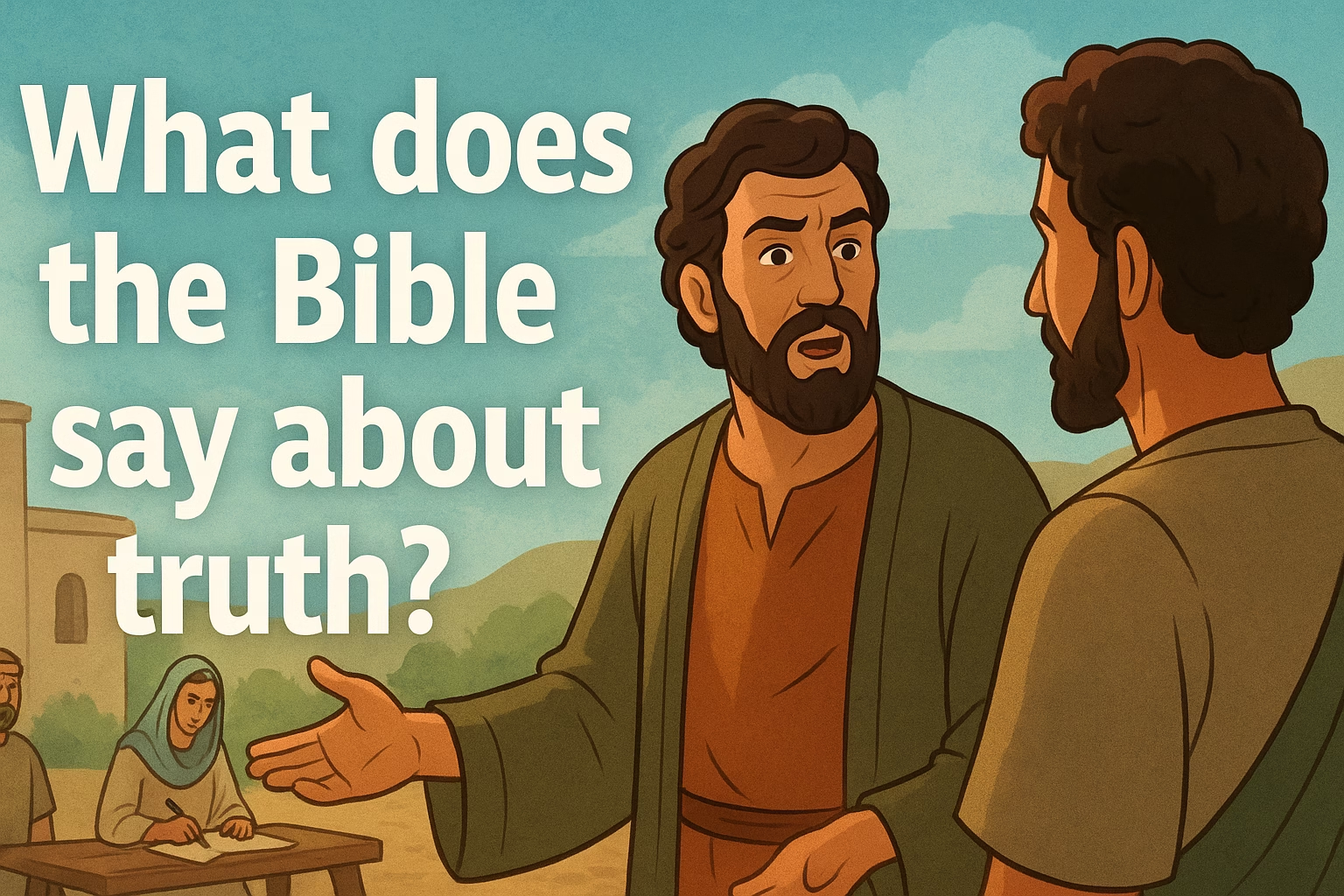
The concept of truth is a fundamental theme throughout the Bible, woven into the fabric of its teachings and narratives. Understanding what the Bible says about truth can help believers navigate their faith and live in accordance with God’s will. This article will explore various biblical passages and ideas surrounding truth, providing insight into its significance in the Christian faith.
The Bible presents truth not merely as an abstract concept but as a vital part of God’s character and His relationship with humanity. In John 14:6, Jesus declares, “I am the way, the truth, and the life.” This statement establishes truth as intrinsic to Christ Himself, indicating that to know Him is to know the ultimate truth. Throughout Scripture, truth is depicted as reliable, essential for spiritual growth, and a foundation for righteous living.
God as the Source of Truth
The Bible consistently portrays God as the ultimate source of truth. In Psalms, David writes, “Your word is a lamp to my feet and a light to my path” (Psalm 119:105), emphasizing how God’s word guides believers in truth. This indicates that the Scriptures are not only inspired by God but also serve as a reliable source of truth for life’s decisions and moral dilemmas.
In addition to His word, God’s nature embodies truth. Numbers 23:19 states, “God is not a man, that He should lie.” This passage underscores that God’s promises and declarations are always true and trustworthy. Believers can rely on God’s character, knowing that He will never deceive or lead them astray.
The Role of Jesus in Revealing Truth
As mentioned earlier, Jesus identifies Himself as the truth. His teachings and actions reflect the nature of God and reveal what it means to live truthfully. In John 8:32, Jesus tells His followers, “And you will know the truth, and the truth will set you free.” This freedom is not just a liberation from sin but also an invitation to embrace a life grounded in reality and divine wisdom.
Moreover, Jesus exemplifies truth in His interactions with others. He speaks truthfully about humanity’s condition, offering both the challenge of repentance and the hope of salvation. His parables often reveal deeper truths about God’s kingdom, encouraging listeners to seek and embrace the reality of God’s love and justice.
Truth and the Holy Spirit
The Holy Spirit plays a crucial role in guiding believers into truth. In John 16:13, Jesus promises that the Spirit will “guide you into all truth.” This guidance is vital for understanding Scripture and applying its teachings in everyday life. The Holy Spirit helps believers discern truth from falsehood, especially in a world filled with conflicting messages and ideologies.
Furthermore, the Spirit empowers believers to live out the truth in their actions and relationships. Galatians 5:22-23 lists the fruits of the Spirit, which include qualities like faithfulness and self-control. Living in truth means embodying these characteristics, demonstrating integrity in both word and deed.
The Importance of Truth in Community
Truth is essential not only for individual believers but also for the Christian community as a whole. Ephesians 4:15 encourages believers to “speak the truth in love.” This highlights the importance of honesty in relationships, fostering an environment where members can grow together in faith and accountability.
Moreover, truth is foundational for unity within the church. In 1 Corinthians 1:10, Paul urges believers to be united in mind and thought, emphasizing that truth should guide their discussions and decisions. When the church collectively seeks and upholds truth, it reflects the character of Christ to the world.
The Challenge of Embracing Truth
Despite the clarity of biblical teachings on truth, embracing it can be challenging. The world often presents competing narratives that can lead believers astray. In John 17:17, Jesus prays, “Sanctify them by the truth; your word is truth.” This prayer indicates that believers must actively pursue the truth found in God’s word to remain steadfast in their faith.
Additionally, the cultural pressures of relativism can make it difficult for individuals to stand firm in their beliefs. However, Scripture encourages believers to remain anchored in the truth, even when it is unpopular or countercultural. Romans 12:2 reminds us not to conform to the patterns of this world but to be transformed by the renewing of our minds, which allows us to discern God’s good and perfect will.
The Nature of Truth in a Fallen World
The Bible acknowledges the existence of falsehood and deception in the world, which complicates the pursuit of truth. The fall of humanity introduced sin, leading to a distortion of truth. In John 8:44, Jesus identifies the devil as “the father of lies,” indicating that falsehood originates from a source opposed to God’s nature. This highlights the spiritual battle believers face as they seek to discern truth from lies.
In this context, believers are called to be vigilant and discerning. 1 John 4:1 advises, “Dear friends, do not believe every spirit, but test the spirits to see whether they are from God.” This testing is crucial in a world filled with competing ideologies and teachings that may appear truthful but are contrary to God’s word. Believers are encouraged to develop a strong foundation in Scripture to help them recognize and reject falsehood.
Truth and Personal Integrity
Living in truth also involves personal integrity and authenticity. Proverbs 12:19 states, “Truthful lips endure forever, but a lying tongue lasts only a moment.” This verse emphasizes the lasting value of truthfulness in character. Believers are called to reflect God’s truth in their lives, which includes being honest in their speech and actions.
Moreover, personal integrity fosters trust in relationships. In Matthew 5:37, Jesus teaches, “Let your ‘Yes’ be ‘Yes,’ and your ‘No’ be ‘No.'” This simple instruction underscores the importance of being reliable and truthful in our commitments. When believers embody truth, they not only honor God but also build a community characterized by trust and mutual respect.
The Transformative Power of Truth
Truth has the power to transform lives. In addition to the declaration of freedom found in John 8:32, 2 Corinthians 5:17 proclaims, “Therefore, if anyone is in Christ, the new creation has come: The old has gone, the new is here!” This transformation is a direct result of embracing the truth of the Gospel, which changes hearts and minds. Believers are invited into a new identity, one that reflects the truth of who they are in Christ.
This transformative process is ongoing. As believers engage with God’s word and allow the Holy Spirit to work within them, they are continually shaped into the likeness of Christ. Ephesians 4:23-24 encourages believers to “be made new in the attitude of your minds; and to put on the new self, created to be like God in true righteousness and holiness.” This renewal is rooted in the truth of Scripture, which guides believers toward a life that honors God.
The Call to Evangelize with Truth
Believers are also called to share the truth of the Gospel with others. The Great Commission in Matthew 28:19-20 commands followers of Christ to “go and make disciples of all nations.” This mission involves proclaiming the truth of Jesus Christ, who embodies the ultimate truth and offers salvation to humanity.
In sharing the Gospel, believers must do so with love and grace, reflecting the character of Christ. Colossians 4:6 emphasizes the importance of how truth is communicated: “Let your conversation be always full of grace, seasoned with salt, so that you may know how to answer everyone.” The way believers present truth can either draw others to Christ or push them away, making it essential to approach evangelism with compassion.
The Enduring Nature of Truth
Ultimately, the Bible teaches that truth is eternal. Psalm 119:160 declares, “All your words are true; all your righteous laws are eternal.” This assurance provides believers with a solid foundation for their faith. Regardless of changing cultural norms or societal pressures, God’s truth remains constant and unchanging.
This eternal nature of truth encourages believers to remain steadfast in their faith, even when faced with challenges. Isaiah 40:8 reminds us, “The grass withers and the flowers fall, but the word of our God endures forever.” Embracing this truth allows believers to navigate life with confidence, knowing that they are anchored in something that will never fade away.
Conclusion: Living Out the Truth
In summary, the Bible presents truth as a vital aspect of God’s character, the teachings of Jesus, and the work of the Holy Spirit. Believers are called to embrace truth in their personal lives, within the church community, and in their interactions with the world. While challenges and falsehoods abound, Scripture provides guidance and assurance that the pursuit of truth leads to freedom, transformation, and a deeper relationship with God. As followers of Christ, may we strive to live out this truth in every aspect of our lives, reflecting the love and integrity of our Savior.
For further exploration of how truth applies to daily life and relationships, you may find these articles insightful: Understanding God’s Word and Building Trust in Community.