
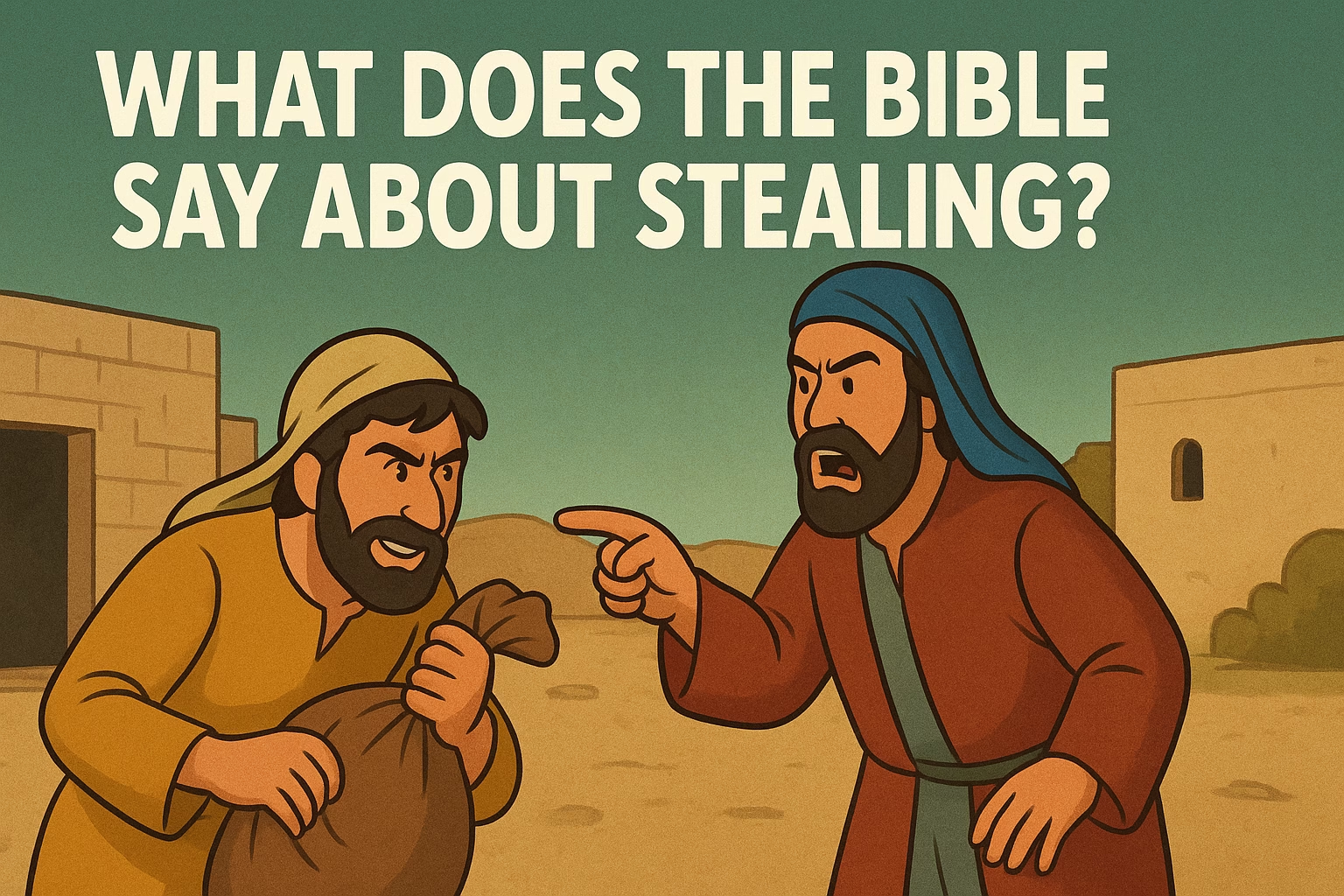
Stealing is a topic addressed in various parts of the Bible, emphasizing its moral and ethical implications. The Scriptures provide clear guidance on the nature of theft, its consequences, and the importance of honesty and integrity in our dealings with others. This article will explore what the Bible says about stealing, focusing on relevant passages and their meanings.
The Bible explicitly condemns stealing as a violation of God’s commandments and a breach of trust within the community. It is essential to understand the context of these teachings and their application to our lives today.
Understanding the Commandments Against Stealing
One of the most direct references to stealing is found in the Ten Commandments. In Exodus 20:15, it states, “You must not steal.” This commandment is part of a broader ethical framework that God provided to His people, emphasizing the importance of respecting others’ property and rights.
The commandment against stealing highlights a fundamental principle: every individual has a right to their belongings. Stealing undermines this principle and creates discord and mistrust within society. It is not merely an act of taking what does not belong to you; it represents a deeper moral failing that affects relationships and community harmony.
The Consequences of Stealing
Throughout the Bible, the consequences of stealing are addressed. In Leviticus 6:2-5, the law outlines the need for restitution when someone steals. This passage emphasizes that not only must the thief return what was taken, but they must also compensate the victim by adding a fifth of the value to the original item. This requirement illustrates the seriousness of theft and the importance of making amends to restore justice.
Moreover, Proverbs 6:30-31 warns that while people may overlook a thief if they are hungry, if caught, the thief must repay seven times what was stolen. This proverb highlights the idea that stealing is not only a crime against individuals but also against the moral fabric of society. The repercussions can be severe, affecting personal integrity and relationships.
Stealing in the New Testament
The New Testament continues to address the issue of stealing, reinforcing the moral teachings found in the Old Testament. In Ephesians 4:28, Paul instructs believers to abandon stealing and instead work with their hands to earn a living. He writes, “If you are a thief, quit stealing. Instead, use your hands for good hard work, and then give generously to others in need.” This verse emphasizes not only the abandonment of theft but also the importance of contributing positively to the community.
This call to action reflects the transformative power of faith. When individuals turn away from stealing and engage in honest work, they not only improve their own lives but also help those around them. The act of giving generously to others is a powerful counter to the selfishness inherent in stealing.
The Heart Behind Stealing
In addition to understanding stealing through the lens of commandments and consequences, the Bible also addresses the heart and motivations behind theft. In James 4:1-2, it states, “What is causing the quarrels and fights among you? Isn’t it because you want what you don’t have? So you scheme and kill to get it. You are jealous of what others have, but you can’t get it, so you fight and wage war to take it away from them.” This passage reveals that stealing often stems from deeper issues like envy, greed, and dissatisfaction.
Recognizing the emotional and spiritual roots of stealing can help individuals address the underlying problems leading to such behavior. It encourages self-reflection and a focus on cultivating a heart of contentment, gratitude, and generosity.
God’s Provision and Trust
The Bible also teaches about God’s provision and the importance of trusting Him for our needs. In Philippians 4:19, it states, “And this same God who takes care of me will supply all your needs from his glorious riches, which have been given to us in Christ Jesus.” This assurance encourages believers to rely on God rather than resorting to dishonest means to obtain what they desire.
When individuals trust in God’s provision, they are less likely to engage in stealing. Instead of viewing others’ possessions with envy, they can focus on their own blessings and how they can use them to serve others. This shift in perspective not only fosters a spirit of generosity but also builds a community rooted in trust and mutual support.
Restoration and Forgiveness
Finally, the Bible speaks to the themes of restoration and forgiveness in the context of stealing. In cases where theft has occurred, there is a call for repentance and reconciliation. In Luke 19:8-9, the story of Zacchaeus illustrates this beautifully. After encountering Jesus, Zacchaeus declares that he will give half of his wealth to the poor and repay four times the amount he has stolen from anyone. Jesus responds, “Salvation has come to this home today.” This story highlights the possibility of redemption and the transformative power of repentance.
Restoration is not only about returning what was taken but also about seeking to mend the relationships affected by the act of stealing. It is a testament to the change that can occur when one turns away from wrongdoing and embraces a life of integrity and honesty.
Stealing and Social Justice
The Bible also addresses the implications of stealing within the context of social justice. Throughout the Old Testament, there are numerous laws aimed at protecting the vulnerable and ensuring fairness in society. For instance, in Deuteronomy 24:14-15, the Israelites are instructed not to exploit hired workers who are poor and needy. This teaching underscores the importance of treating all individuals with dignity and respect.
When theft occurs, especially against those who are marginalized, it perpetuates a cycle of injustice and inequality. The prophets, like Amos and Micah, frequently called out social injustices, including theft, as they sought to remind the people of their responsibility to uphold justice and righteousness. In this light, stealing is not just a personal failing; it can have communal repercussions that affect the entire society.
The Spiritual Consequences of Stealing
Stealing can also have spiritual ramifications. In 1 Corinthians 6:10, Paul warns that thieves will not inherit the Kingdom of God. This statement emphasizes the severity of theft as a sin that can separate individuals from their relationship with God. The act of stealing can reflect a heart that is not aligned with God’s principles, leading to spiritual decay and disconnection from divine grace.
The spiritual aspect of stealing invites believers to examine their relationship with God and consider how their actions reflect their faith. It reinforces the idea that living according to God’s commandments is essential not only for personal integrity but also for maintaining a close relationship with Him.
Encouragement for Those Struggling with Theft
For individuals struggling with the temptation to steal, the Bible offers hope and encouragement. In Romans 3:23, it states that “everyone has sinned; we all fall short of God’s glorious standard.” This verse serves as a reminder that while stealing is a serious issue, it is not beyond the reach of God’s forgiveness and grace.
Repentance is a crucial step for anyone who has engaged in theft. Turning away from stealing means acknowledging the wrongdoing and seeking to make amends. In 1 John 1:9, believers are assured that if they confess their sins, God is faithful and just to forgive them. This promise can provide the motivation needed to seek change and restoration.
Practical Steps to Overcome Stealing
Overcoming the temptation to steal requires practical steps grounded in faith. Here are a few strategies that can help:
- Seek Community Support: Surround yourself with a supportive community that encourages integrity and accountability. Sharing struggles with trusted friends or a church group can provide the necessary encouragement to resist temptation.
- Engage in Honest Work: As encouraged in Ephesians 4:28, find ways to earn a living through honest means. This not only provides for your needs but also fosters a sense of dignity and self-worth.
- Practice Gratitude: Cultivating a heart of gratitude can help combat feelings of envy and desire for what others have. Regularly reflecting on your blessings can shift your focus from what you lack to what you have been given.
- Develop Contentment: Learning to be content with what you have is vital. Philippians 4:11-12 speaks to the importance of finding contentment in all circumstances, which can help reduce the desire to steal.
The Importance of Honesty and Integrity
Ultimately, the Bible calls believers to live lives marked by honesty and integrity. Proverbs 10:2 states, “Treasures gained by wickedness do not profit, but righteousness delivers from death.” This principle reinforces that the pursuit of wealth through dishonest means will not lead to true fulfillment or security.
Instead, integrity and honesty build a solid foundation for relationships, community, and faith. By choosing to live righteously, believers can reflect God’s character and serve as a testament to the transformative power of faith in action.
Conclusion: Embracing a Life Free from Theft
In conclusion, the Bible’s teachings on stealing highlight significant moral, social, and spiritual dimensions. Stealing is not merely an act of taking; it reflects deeper issues of the heart and has consequences that extend beyond the individual. Embracing honesty, integrity, and reliance on God’s provision can lead to a fulfilling life free from the burdens of theft. The call to restore and seek forgiveness reminds us that no one is beyond redemption, and through Christ, we can find the strength to overcome temptations and live a life that honors God and our neighbors.
For further exploration of related topics, you can read about the importance of honesty in relationships and how to seek forgiveness in the Christian faith.