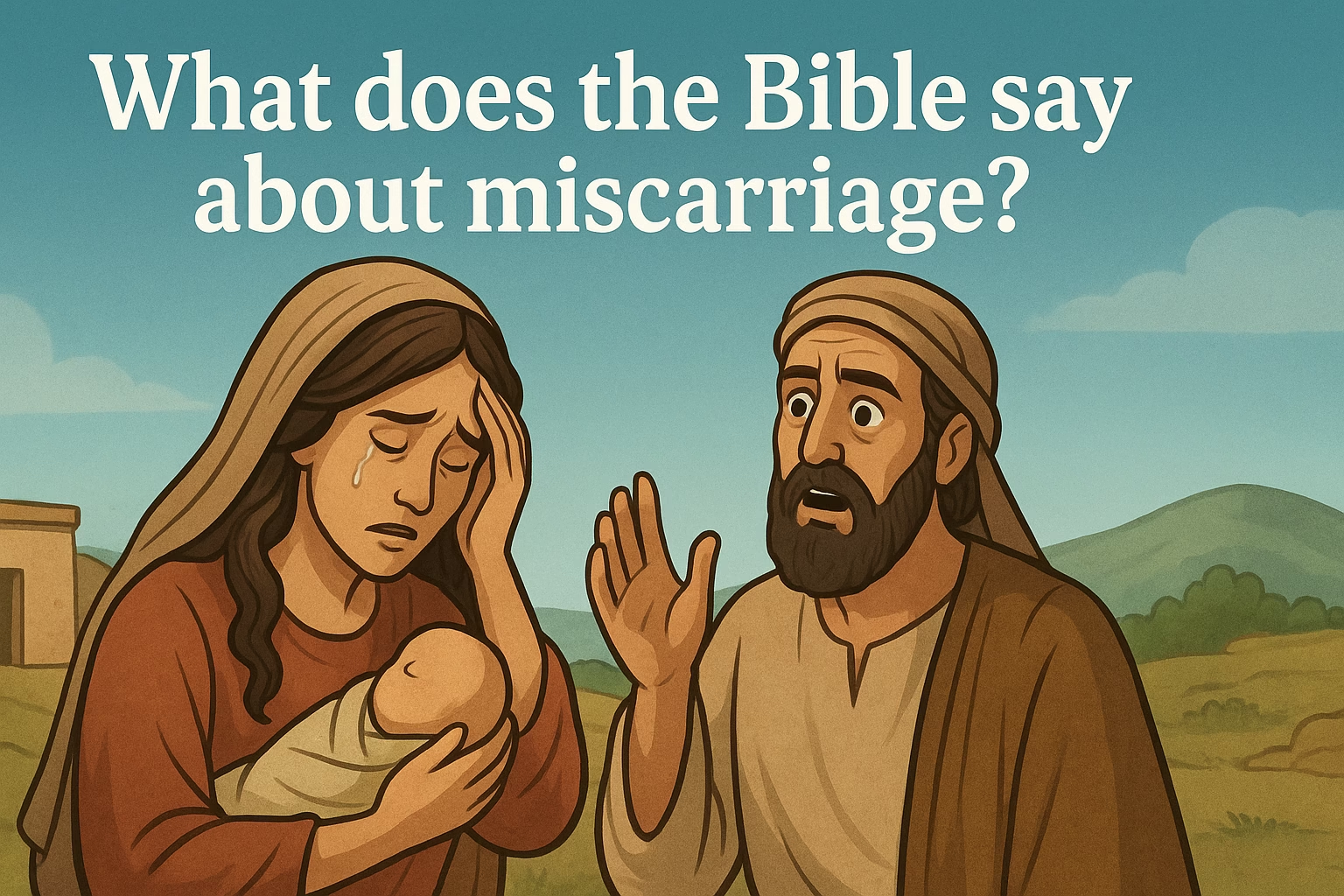
Miscarriage is a deeply painful experience that affects many families. For those who seek comfort and understanding, the Bible offers insights that can help navigate the grief and questions surrounding this sensitive topic. In this article, we will explore what Scripture says about miscarriage, examining the biblical perspective on life, loss, and God’s care during such heart-wrenching times.
While the Bible does not directly address the issue of miscarriage in modern terms, it contains passages that can provide solace and hope. Key themes include God’s presence in our suffering, the value of life, and the promise of healing and restoration. By looking at these themes, we can glean wisdom from Scripture regarding the experience of miscarriage.
The Value of Life
The Bible affirms the value of life from the very beginning. In Genesis 1:27, it states that humans are created in the image of God. This foundational truth underscores the inherent worth of every individual, including those who may never take their first breath outside the womb. Psalm 139:13-16 beautifully expresses that God is intimately involved in the creation of each person, highlighting His knowledge and care even before birth. It states that God knit us together in our mother’s womb and that our days were ordained before we lived a single one.
These verses suggest that every life, regardless of how brief, has significance in God’s eyes. For parents who experience miscarriage, this can be a comforting reminder that their child was valued and known by God, even if they did not have the opportunity to know them personally.
God’s Compassion in Suffering
Throughout the Bible, we find numerous examples of God’s compassion toward those who suffer. In Psalm 34:18, it says, “The Lord is close to the brokenhearted and saves those who are crushed in spirit.” This verse assures us that God is present in our pain, offering comfort and healing. Miscarriage can leave parents feeling isolated and heartbroken, but they can take solace in the promise that God walks alongside them in their grief.
Jesus Himself demonstrated compassion for those who mourn. In Matthew 5:4, He said, “Blessed are those who mourn, for they will be comforted.” This beatitude reminds us that mourning is a natural and necessary part of the healing process. It is okay to grieve the loss of a child, regardless of how early that loss occurred.
The Story of Rachel
One poignant biblical narrative related to miscarriage is the story of Rachel, the wife of Jacob. In Genesis 30:1-2, Rachel experiences deep anguish over her inability to bear children, leading her to say, “Give me children, or else I die!” This desperate plea illustrates the profound desire for motherhood and the pain of childlessness. Eventually, Rachel does conceive and gives birth to Joseph, but she later dies in childbirth while giving birth to Benjamin (Genesis 35:16-19). Rachel’s story highlights the emotional turmoil surrounding pregnancy and childbirth, as well as the deep sorrow that can accompany loss.
In Jeremiah 31:15, there is a reference to Rachel weeping for her children, which has been interpreted as a symbol of mourning for those who have lost their children. This verse resonates with parents who have experienced miscarriage, serving as a reminder that their grief is shared and understood within the biblical narrative.
Hope and Healing
While the Bible acknowledges the reality of suffering and loss, it also offers hope for healing and restoration. In Isaiah 61:1-3, we find a promise of comfort for those who mourn, stating that God will “provide for those who grieve in Zion” and give them “a crown of beauty instead of ashes.” This passage speaks to the transformative power of God in the midst of our pain, suggesting that He can bring beauty from our brokenness.
Additionally, Revelation 21:4 provides a powerful assurance of a future without pain or sorrow. It proclaims that God will wipe away every tear and that there will be no more death or mourning. This promise of eternal life and restoration can be a source of hope for parents who have lost a child through miscarriage, reminding them that their loss is not the end of their child’s story in God’s eyes.
Finding Comfort in Community
In times of grief, community support can play a vital role in healing. The Bible encourages believers to bear one another’s burdens (Galatians 6:2) and to comfort those in distress (2 Corinthians 1:3-4). Connecting with others who have experienced similar losses can provide a sense of understanding and shared sorrow. Many churches and support groups offer resources for grieving parents, creating a space for healing and hope.
As parents navigate their grief, it is essential to seek support from friends, family, and faith communities. Sharing stories, memories, and emotions can foster healing and remind parents that they are not alone in their journey.
Theological Reflections on Miscarriage
Many theological discussions around miscarriage center on the nature of God and His sovereignty. Some may wonder why God allows such painful experiences to occur. While the Bible does not provide specific answers to these questions, it does affirm God’s goodness and love. Romans 8:28 states that God works all things together for good for those who love Him. This verse can encourage grieving parents to trust that, despite their pain, God can bring about a greater purpose through their loss.
It is also important to acknowledge that interpretations of God’s will can vary among Christians. Some may hold the belief that every life has a specific purpose, while others may emphasize the fallen nature of the world, which leads to suffering and loss. Regardless of differing views, the overarching message of God’s love and compassion remains central to the Christian faith.
God’s Presence in Grief
In moments of deep sorrow, it can be challenging to sense God’s presence. However, Scripture teaches that God is near to those who are grieving. In Isaiah 41:10, God reassures His people, saying, “Do not fear, for I am with you; do not be dismayed, for I am your God.” This promise serves as a reminder that even in the darkest times, God is a source of strength and comfort. For parents who have experienced a miscarriage, this verse highlights the importance of leaning into faith when faced with overwhelming pain.
Furthermore, in 2 Corinthians 1:3-4, the Apostle Paul refers to God as the “Father of compassion and the God of all comfort.” This passage emphasizes that God not only understands our suffering but actively provides comfort to help us endure. Parents can find reassurance that their feelings of loss and sadness are not foreign to God; rather, they are met with His compassion.
The Role of Prayer in Healing
Prayer can be an essential part of the healing process after a miscarriage. It serves as a means of expressing grief, seeking comfort, and finding peace. Philippians 4:6-7 encourages believers to present their requests to God through prayer, promising that the peace of God will guard their hearts and minds. Engaging in prayer during times of sorrow allows parents to articulate their pain and seek solace from the Lord.
Additionally, some find it helpful to keep a prayer journal, reflecting on their feelings and relationship with God. Writing prayers can provide clarity, serve as a form of catharsis, and help in processing emotions. This practice can also create a tangible record of the journey through grief, offering insight into the healing process over time.
Understanding the Grief Process
Grief is a complex and individual process, and it can manifest in various ways. The Bible acknowledges this reality, as seen in Ecclesiastes 3:1-4, which states that there is a time for every season, including a time to weep and a time to mourn. Understanding that grief is a natural response to loss can help parents navigate their emotions without feeling guilt or shame.
It is also essential to recognize that healing takes time. Parents may experience a range of emotions, from sadness to anger, and even confusion. Engaging in conversations with trusted friends or counselors can provide valuable support. The journey of healing is not linear, and it is crucial to allow oneself the grace to feel and process each emotion as it arises.
Hope of Reunion
For many believers, the hope of reunion with loved ones, including those lost through miscarriage, is a profound source of comfort. The Bible speaks of a future where death will be no more, as seen in 1 Thessalonians 4:13-14, which assures Christians that those who have died in Christ will be resurrected at His return. This promise can provide hope for grieving parents, reminding them that their child is not lost but awaits them in eternity.
Furthermore, Jesus’ words in John 14:1-3 offer reassurance that He has prepared a place for His followers. This promise of eternal life and the possibility of being with loved ones again can help alleviate the pain of loss, fostering a sense of peace amidst grief.
Creating a Memorial
Some parents find healing through creating a memorial for their lost child. This can take many forms, such as planting a tree, establishing a scholarship fund, or creating a memory box filled with mementos. Engaging in such acts can serve as a tangible way to honor the life of the child and keep their memory alive. It can also provide a sense of closure and a way to process the emotions surrounding the loss.
In addition, participating in remembrance events or support groups can foster community and connection with others who have experienced similar losses. Sharing stories and memories can be a powerful way to acknowledge grief while celebrating the brief lives of these children.
Questions for Reflection
As families navigate the complexities of grief after a miscarriage, it can be helpful to reflect on meaningful questions. Some questions to consider might include:
- How can I lean into my faith during this time of grief?
- What support systems do I have in place to help me process my emotions?
- In what ways can I honor the memory of my child?
- How can I find comfort in the promises of Scripture during my healing journey?
These questions can guide parents in their healing process, encouraging them to seek God’s presence and find community support. It is important to remember that it is okay to ask questions and seek answers as part of the journey of healing.
Conclusion: Embracing Grief with Hope
Miscarriage is a profound loss that can leave parents feeling devastated and alone. However, the Bible offers a framework for understanding grief, hope, and God’s unwavering presence. By acknowledging the value of life, seeking comfort in prayer, and embracing community support, parents can navigate their sorrow while holding onto the hope of restoration and reunion in God’s eternal plan. The journey through grief may be challenging, but it is a path that can lead to healing, understanding, and ultimately, peace.
For further insights on navigating grief and finding comfort, you can explore more about the role of faith in healing and support for grieving parents.