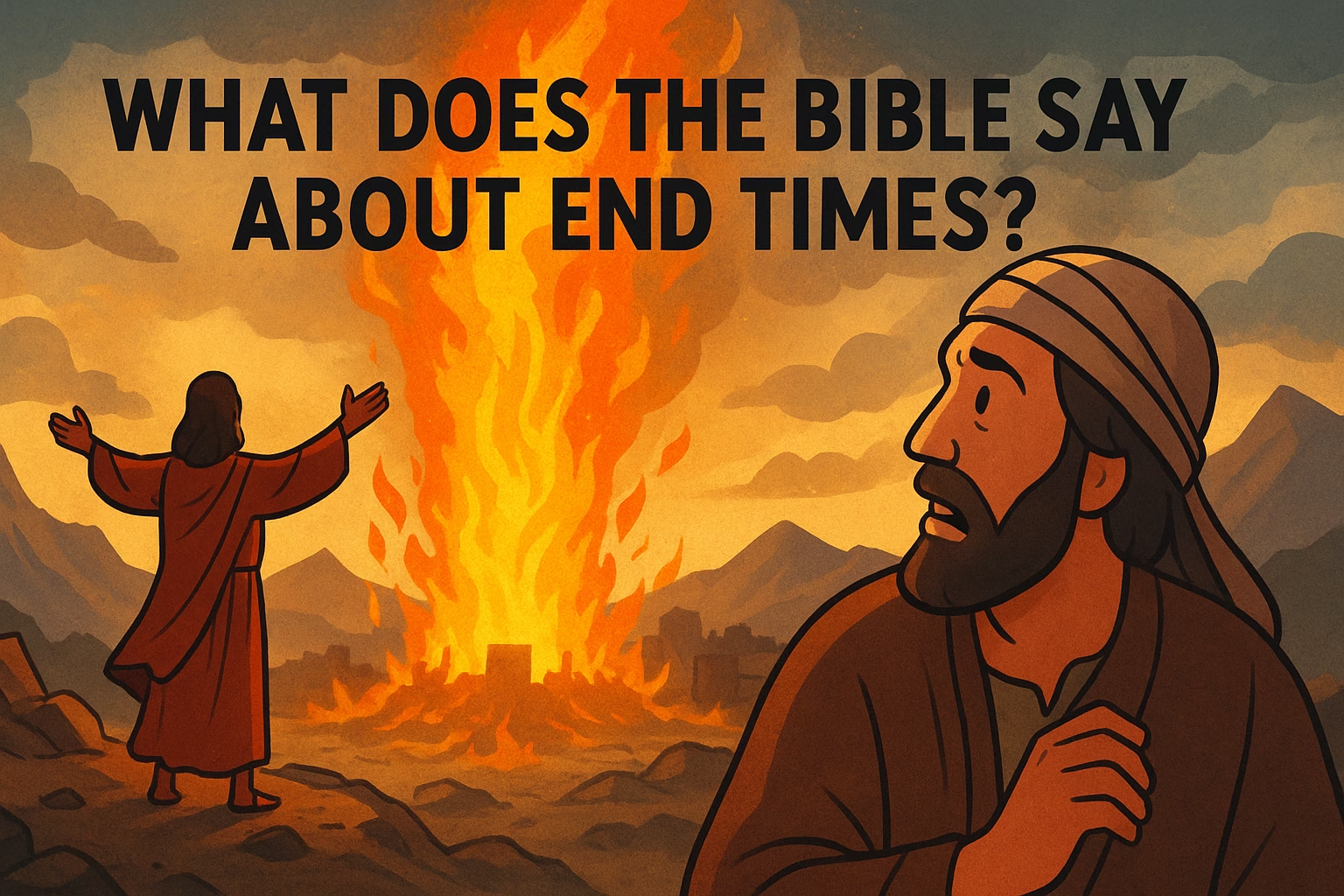
The concept of “end times” has intrigued and perplexed believers and scholars alike for centuries. The Bible provides various insights and prophecies about the end of the world, the return of Jesus Christ, and the final judgment. This article delves into what Scripture reveals about these events, drawing from key passages and themes that shape Christian understanding of the end times.
In examining biblical texts, it is essential to recognize that interpretations vary among different Christian traditions. However, certain core teachings about the end times are widely accepted. The Bible speaks of a culmination of human history, a time of tribulation, and the ultimate establishment of God’s kingdom. Let’s explore these themes further.
Signs of the End Times
One of the most notable sources regarding the signs of the end times is found in the Gospels, particularly in Matthew 24. Here, Jesus describes various signs that will precede His return. He mentions false prophets, wars, famines, and earthquakes as indicators of the approaching end (Matthew 24:6-7). Jesus emphasizes that these events are just the beginning of birth pains, suggesting that they are part of a larger, unfolding plan.
In addition to the Gospels, the Book of Revelation offers vivid imagery and symbols that depict the end times. Revelation 6 speaks of the opening of the seven seals, which unleashes a series of catastrophic events, including the Four Horsemen of the Apocalypse. These symbols represent conquest, war, famine, and death, illustrating the turmoil that will characterize the final days.
The Great Tribulation
The Bible describes a period known as the Great Tribulation, a time of intense suffering and persecution. In Matthew 24:21, Jesus warns that there will be great distress unequaled from the beginning of the world until now. This period is characterized by trials that will test the faith of believers. Many interpretations suggest that the church may face significant challenges during this time, with some believing that faithful Christians will be taken away (the “rapture”) before this tribulation occurs.
The Book of Revelation further elaborates on this tribulation period. Revelation 13 introduces the concept of the Beast, a figure associated with opposition to God and His people. This figure will demand worship and allegiance, leading to severe consequences for those who refuse to comply. The tribulation is portrayed as a time that will require believers to stand firm in their faith and rely on God’s strength.
The Return of Christ
Central to the biblical narrative about the end times is the return of Jesus Christ. This event, often referred to as the “Second Coming,” is described throughout the New Testament. In Acts 1:11, angels tell the disciples that Jesus will return in the same way they saw Him go into heaven. This promise reassures believers of His imminent return, emphasizing that it will be visible and undeniable.
In 1 Thessalonians 4:16-17, the Apostle Paul provides comfort to believers concerning those who have died. He explains that when Christ returns, the dead in Christ will rise first, followed by living believers who will be caught up together with them to meet the Lord in the air. This passage has been foundational for many Christians’ understanding of the rapture and the hope of eternal life with Christ.
The Final Judgment
The Bible teaches that after Christ’s return, there will be a final judgment. Revelation 20:11-15 describes the Great White Throne judgment, where the dead are judged according to their deeds. This judgment is significant because it reflects God’s justice and righteousness. Those whose names are not found in the Book of Life will face eternal separation from God, often referred to as the “second death” (Revelation 20:14).
In contrast, believers who have placed their faith in Christ will receive eternal life and enter into a new heaven and new earth, as described in Revelation 21. This promise of restoration and renewal offers hope and motivation for Christians to live faithfully in the present, knowing that their ultimate destiny is secure in Christ.
The Role of Israel in the End Times
Many interpretations of the end times highlight the significance of Israel. Some biblical prophecies suggest that Israel will play a crucial role in the events leading up to Christ’s return. For instance, passages like Ezekiel 36-37 speak of the restoration of Israel as a nation and its eventual recognition of Jesus as the Messiah. This view is particularly emphasized in dispensationalist theology, which sees a distinct plan for Israel separate from the Church.
In the New Testament, Paul writes in Romans 11 about the “fullness of the Gentiles” coming in, which some interpret as a time when the Church will be complete, leading to a renewed focus on Israel. This perspective adds another layer of complexity to the discussion of end times, as it intertwines God’s covenant promises with His plans for both Israel and the Church.
“For I do not want you, brothers, to be uninformed of this mystery, so that you will not be conceited: a partial hardening has come upon Israel until the fullness of the Gentiles has come in.” – Romans 11:25 (NLT)
As we explore the biblical narrative surrounding the end times, it is essential to approach these topics with humility and a willingness to engage with differing interpretations. The Bible offers a framework for understanding the future, but it also emphasizes the importance of living faithfully in the present, trusting in God’s ultimate plan.
The New Heaven and New Earth
One of the most profound promises in the Bible regarding the end times is the creation of a new heaven and a new earth. Revelation 21:1 states that after the final judgment, God will make all things new. This vision of renewal is not merely a restoration of the old but a complete transformation. The imagery here reflects a future where sorrow, pain, and death will be no more, providing immense hope for believers. This new reality is characterized by the presence of God dwelling among His people, indicating a restored relationship that was marred by sin.
Furthermore, in Revelation 21:4, it is promised that God will wipe away every tear from their eyes. This assurance emphasizes God’s compassion and His desire for His creation to experience joy and fulfillment. The new heaven and new earth represent the ultimate fulfillment of God’s redemptive plan, where believers will live in perfect harmony with Him for eternity.
The Role of the Church in the End Times
The Church holds a vital role in the context of the end times. According to Matthew 28:19-20, Jesus commissioned His followers to make disciples of all nations. This Great Commission remains relevant as the Church is called to spread the Gospel until Christ returns. In this light, the Church acts as a beacon of hope and truth in a world that may increasingly experience chaos and moral decline as prophesied in Scripture.
Additionally, the Apostle Paul emphasizes in 1 Thessalonians 5:11 that believers should encourage and build one another up, especially as the day of the Lord approaches. This encouragement is essential for maintaining faith and resilience during challenging times, particularly in the face of persecution or tribulation. The Church’s role is not only to proclaim the message of salvation but also to provide support and community for believers navigating the trials of life.
Understanding Different Interpretations
As previously mentioned, interpretations of end times events vary widely among Christians. Some hold a pre-tribulation view, believing that the Church will be raptured before the Great Tribulation. Others subscribe to a post-tribulation perspective, positing that the Church will endure the tribulation but will ultimately be saved by Christ’s return. There are also those who interpret these events symbolically rather than literally, viewing them as representations of spiritual truths rather than specific future occurrences.
These differing interpretations can lead to rich discussions among believers. It is important to approach such conversations with grace and an understanding that faithful Christians may arrive at different conclusions based on their study of Scripture. Engaging with various perspectives can deepen one’s understanding of the text and foster unity in the body of Christ, despite differing eschatological views.
The Importance of Vigilance and Preparedness
The Bible frequently emphasizes the need for vigilance among believers as they await Christ’s return. In Matthew 25, Jesus tells the parable of the ten virgins, highlighting the importance of being prepared and ready for the bridegroom’s arrival. This metaphor serves as a reminder that while the exact timing of Christ’s return is unknown, believers must live in a state of readiness, actively engaging in their faith and good works.
Moreover, 1 Peter 5:8 warns Christians to be sober-minded and watchful because the adversary prowls around like a roaring lion, seeking someone to devour. This call to vigilance encourages believers to remain steadfast in their faith, resisting temptation and remaining focused on God’s kingdom amidst worldly distractions. Living with an eternal perspective can influence daily choices and prioritize what truly matters in life.
Questions for Reflection
As we contemplate the biblical teachings on the end times, several questions may arise that encourage personal reflection and discussion:
- How does the promise of a new heaven and new earth affect your understanding of present suffering and hope?
- In what ways can you actively participate in the Great Commission as part of your daily life?
- How do different interpretations of the end times shape your understanding of God’s character and His plans for humanity?
- What practical steps can you take to remain vigilant and prepared in your faith journey?
These questions can serve as a guide for personal study or group discussions, fostering deeper engagement with Scripture and encouraging spiritual growth in anticipation of Christ’s return.
Conclusion: Living in Light of the End Times
Ultimately, the biblical teachings on the end times invite believers to live with hope and purpose. Understanding the signs, the tribulation, and the promise of Christ’s return should inspire Christians to remain faithful, share the Gospel, and support one another as they navigate life’s challenges. The assurance of God’s ultimate victory over sin and death provides a foundation for believers to engage with the world confidently, knowing that their future is secure in Christ. As we await the fulfillment of these promises, let us strive to live out our faith actively, embodying the love and truth of Christ in a world that desperately needs it.
For further exploration of related topics, you can read about the role of prophecy in the Bible and how it connects to the end times in this insightful article. Additionally, consider studying the different interpretations of the end times in various Christian traditions to deepen your understanding in this comprehensive overview.