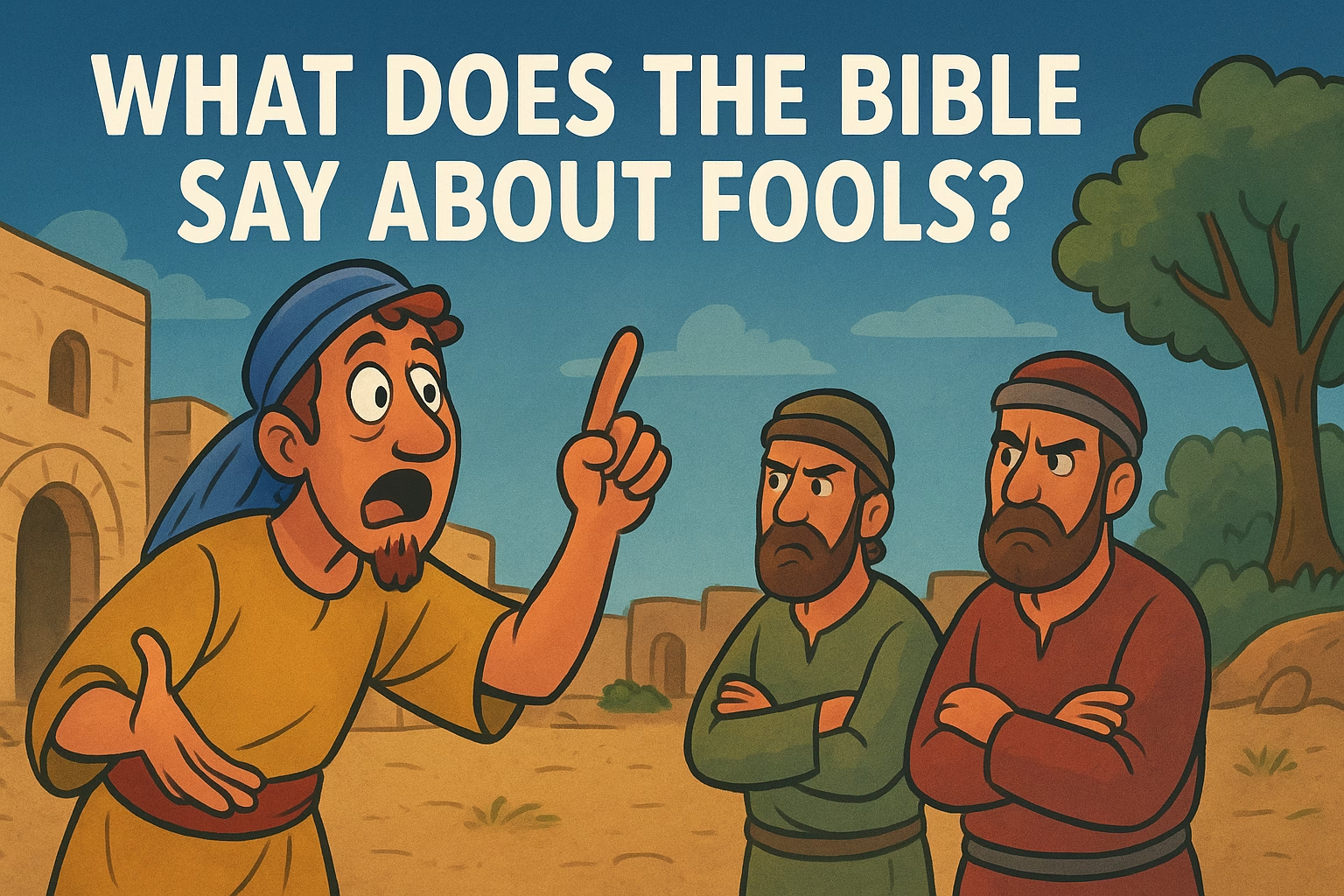
The concept of a fool is addressed frequently in the Bible, offering a variety of insights into the nature of foolishness and its consequences. Understanding what the Bible says about fools can help individuals reflect on their own actions and attitudes, guiding them toward wisdom and righteousness. This article explores the biblical definition of a fool, the characteristics attributed to them, and the warnings given to those who act foolishly.
The Bible presents fools in a multifaceted manner, highlighting their behaviors, attitudes, and the consequences of their actions. Generally, a fool is someone who lacks wisdom, disregards knowledge, and often behaves in a way that leads to destruction or conflict. Throughout Scripture, the distinctions between wisdom and folly are made clear, providing a framework for understanding the implications of foolishness in our lives.
Defining a Fool in the Bible
The term “fool” appears in several key passages throughout the Bible, and its meaning can vary depending on the context. In the Old Testament, particularly in the book of Proverbs, a fool is often described as someone who rejects wisdom and instruction. Proverbs 1:7 states, “Fear of the Lord is the foundation of true knowledge, but fools despise wisdom and discipline.” Here, the essence of foolishness is tied to a lack of reverence for God and an aversion to learning.
In contrast, a wise person is characterized by their willingness to listen and learn from others, especially from God. As Proverbs 12:15 explains, “Fools think their own way is right, but the wise listen to others.” This highlights a fundamental trait of fools: they are often self-deceived, believing that their perspective is the ultimate truth.
Characteristics of Fools
The Bible outlines several characteristics that define a fool. Here are some of the most notable traits:
- Rejection of Wisdom: Fools often disregard wise counsel. Proverbs 10:21 notes that “the words of the godly encourage many, but fools are destroyed by their lack of common sense.”
- Quick Temper: Fools are often impulsive and easily provoked. Proverbs 14:17 states, “Short-tempered people do foolish things, and schemers are hated.”
- Mockery: Fools tend to mock and scorn others, particularly those who seek wisdom. Proverbs 14:9 says, “Fools make fun of guilt, but the godly acknowledge it and seek reconciliation.”
- Inability to Learn: A fool is resistant to correction and learning from their mistakes. Proverbs 26:11 warns, “As a dog returns to its vomit, so a fool repeats his foolishness.”
These characteristics paint a vivid picture of what it means to be a fool according to biblical standards. The Bible emphasizes the importance of humility and a teachable spirit, which are often absent in foolish individuals.
Consequences of Foolishness
The Bible also discusses the consequences that accompany foolish behavior. Fools often face dire outcomes due to their decisions and actions. For example, Proverbs 13:20 states, “Walk with the wise and become wise; associate with fools and get in trouble.” This verse highlights the idea that surrounding oneself with foolish individuals can lead to negative consequences, affecting one’s own life and choices.
In addition to relational consequences, the Bible warns of spiritual repercussions as well. Psalm 14:1 famously declares, “The fool says in his heart, ‘There is no God.'” This denial of God’s existence is viewed as the ultimate form of folly, leading to a life devoid of purpose and direction. The consequences of rejecting God extend beyond this life, impacting one’s eternal destiny.
The Call to Wisdom
The Bible consistently calls individuals to pursue wisdom rather than foolishness. Proverbs 4:7 states, “Getting wisdom is the most important thing you can do! And whatever else you do, get good judgment.” This urgent call emphasizes that wisdom should be a priority in life, guiding decisions and actions.
Moreover, the New Testament echoes this call to wisdom. In Ephesians 5:15-16, Paul instructs believers to “be careful how you live, not as unwise but as wise, making the most of every opportunity.” This reinforces the idea that wisdom is not just about knowledge but involves applying that knowledge in a way that honors God and benefits others.
Ultimately, the Bible contrasts the path of fools with that of the wise, encouraging individuals to seek understanding, embrace God’s teachings, and cultivate a relationship with Him. In doing so, one can avoid the pitfalls of foolishness and live a life that reflects God’s wisdom and purpose.
Fools in the New Testament
The New Testament continues the theme of foolishness introduced in the Old Testament, providing additional insights into the nature of fools and their behaviors. Jesus often used parables to illustrate the folly of certain attitudes and actions. For instance, in the Parable of the Rich Fool (Luke 12:13-21), Jesus tells the story of a man who hoarded wealth without regard for his spiritual state or the needs of others. This fool’s focus on material possessions ultimately led to his demise, illustrating that foolishness can manifest in a lack of foresight and an obsession with worldly gain.
Additionally, Paul addresses the concept of foolishness in his letters, particularly in 1 Corinthians. He contrasts the wisdom of God with the wisdom of the world, stating that the message of the cross is foolishness to those who are perishing but is the power of God to those who are being saved (1 Corinthians 1:18). This highlights a profound truth: what may seem foolish to human understanding can be deeply wise in God’s economy.
Spiritual Implications of Foolishness
Spiritual foolishness is a critical aspect of the biblical discussion on fools. The Bible teaches that spiritual blindness often accompanies foolishness. In 2 Corinthians 4:4, Paul writes that the god of this age has blinded the minds of unbelievers, preventing them from seeing the light of the gospel. This blindness is a form of folly that leads individuals to reject the truth of God and pursue paths that lead to destruction.
Moreover, the book of James offers a powerful reminder that true wisdom comes from God. James 1:5 encourages believers to ask God for wisdom, assuring them that He gives generously to all without finding fault. This invitation to seek divine wisdom contrasts sharply with the foolishness of relying solely on human understanding and judgment.
Recognizing Foolishness in Our Lives
Understanding the characteristics of fools as outlined in the Bible can help individuals recognize foolishness in their own lives. It is essential to engage in self-reflection and consider how one’s actions align with biblical wisdom. Here are some questions to ponder:
- Do I dismiss wise counsel from others, believing I know better?
- Am I quick to anger and prone to making impulsive decisions?
- Do I mock or belittle those who seek to correct or guide me?
- How often do I reflect on my actions and learn from my mistakes?
These questions serve as a guide to encourage personal growth and the pursuit of wisdom. Recognizing foolish behaviors is the first step toward repentance and transformation.
The Importance of Community and Accountability
The Bible emphasizes the significance of community in fostering wisdom and accountability. Proverbs 27:17 states, “As iron sharpens iron, so one person sharpens another.” Engaging with others who value wisdom can help individuals avoid the pitfalls of foolishness. Being part of a community that encourages growth and accountability provides a support system that can challenge and inspire people to pursue righteousness.
Additionally, seeking mentorship from wise individuals can be beneficial. Proverbs 15:22 notes that plans fail for lack of counsel, but with many advisers, they succeed. Surrounding oneself with wise mentors and friends can provide valuable insights and guidance, steering one away from foolish decisions.
The Transformative Power of Wisdom
Ultimately, the Bible presents wisdom as a transformative force in a person’s life. Proverbs 3:13-18 describes the blessedness of finding wisdom, likening it to a tree of life. This metaphor illustrates that wisdom nurtures and sustains, leading to a fulfilling and fruitful life. In contrast, foolishness leads to destruction and emptiness.
As believers pursue wisdom, they align themselves with God’s purposes and plans. This pursuit not only benefits the individual but also positively impacts those around them. A wise person can influence others for good, creating a ripple effect that extends beyond their immediate circle.
Conclusion: The Call to Embrace Wisdom
The Bible’s teachings on fools serve as a sobering reminder of the importance of wisdom in our lives. By understanding the characteristics of foolishness and recognizing its consequences, individuals can make conscious choices to seek wisdom and avoid folly. Embracing biblical wisdom requires humility, accountability, and a willingness to learn from God and others.
As we navigate life’s complexities, let us commit to pursuing wisdom, allowing it to guide our decisions and shape our character. In doing so, we not only honor God but also experience the fullness of life that He desires for us, steering clear of the destructive paths that foolishness can lead us down.
For further insights on living wisely and avoiding foolishness, consider reading about the importance of community and mentorship in spiritual growth. You can explore more about these topics in our articles on the role of Christian community and finding wise mentors for guidance.