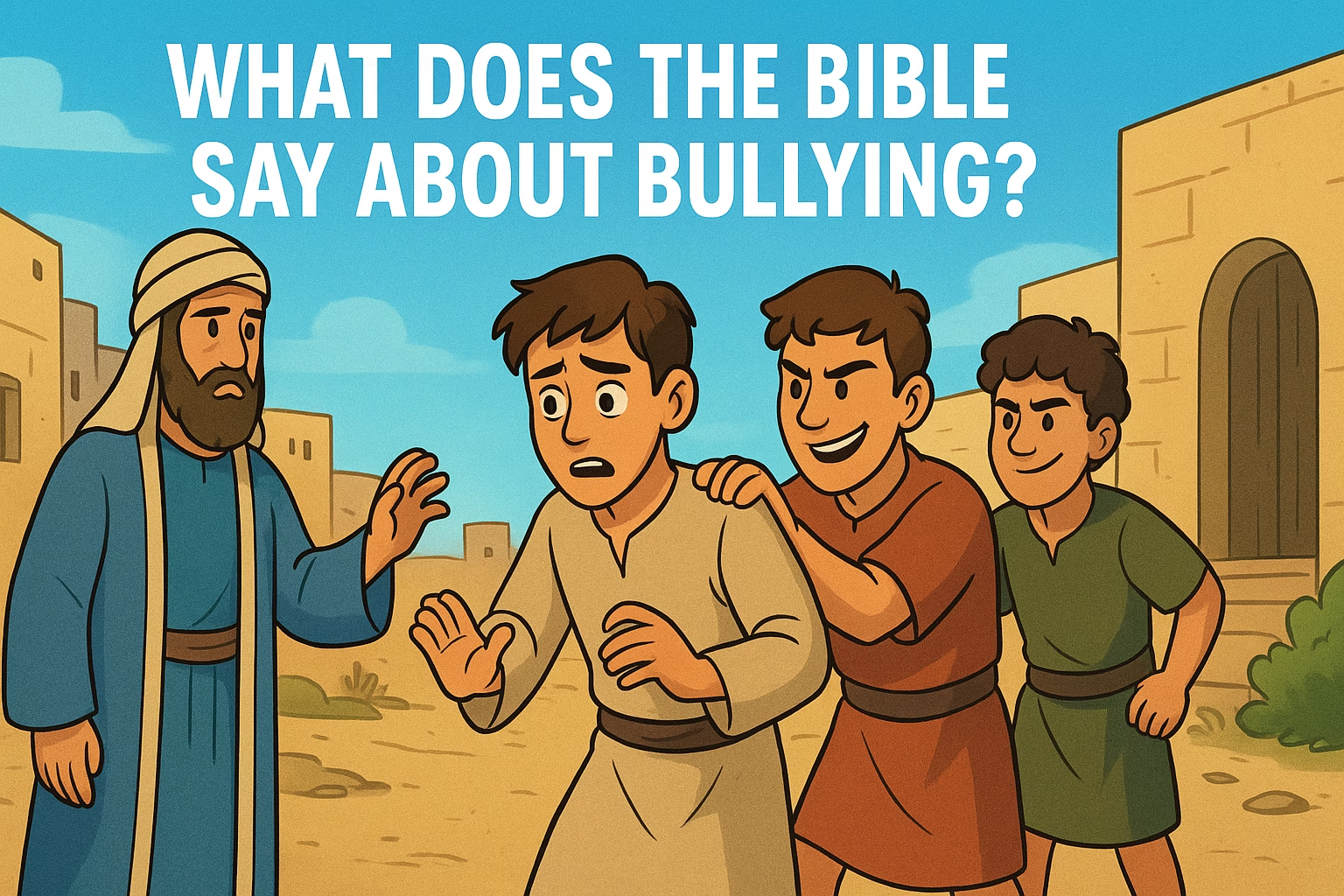
Bullying is a significant issue in today’s society, affecting people of all ages, particularly in schools and online environments. Understanding what the Bible says about bullying can provide valuable insights into how we should treat others and respond to harmful behavior. The Scriptures emphasize love, kindness, and respect for one another, which are essential principles in addressing bullying.
The Bible does not specifically mention the term “bullying,” but it offers guidance on how we should conduct ourselves and interact with others. Numerous passages highlight the importance of treating others with dignity and respect, warning against harmful behavior and attitudes. Let’s explore some key biblical principles that relate to bullying.
The Call to Love One Another
One of the central teachings of the Bible is the command to love others. In the New Testament, Jesus states in Matthew 22:39, “You must love your neighbor as yourself.” This command highlights that our treatment of others should be rooted in love and empathy. When we consider how we would want to be treated, it discourages behaviors that could harm or belittle others.
Moreover, in John 13:34, Jesus gives a new commandment to His disciples: “Love each other. Just as I have loved you, you should love each other.” This call to love is foundational for Christian behavior and serves as a guide against actions that could be classified as bullying. If we genuinely love others, we will seek to uplift and support them rather than engage in hurtful actions.
Respecting Others’ Dignity
The Bible teaches that all people are created in the image of God (Genesis 1:27). This fundamental truth affirms the inherent dignity and worth of every individual. When we bully or mistreat others, we are disregarding this divine image and failing to respect their value as human beings.
James 3:9-10 illustrates this point: “Sometimes it praises our Lord and Father, and sometimes it curses those who have been made in the image of God. And so blessing and cursing come
The Consequences of Harmful Actions
The Bible also speaks about the repercussions of engaging in harmful behaviors, which can extend to bullying. Proverbs 11:21 warns, “Evil people will surely be punished, but the children of the godly will go free.” This verse serves as a reminder that God is aware of our actions and that there are consequences for those who choose to harm others. Bullying can lead to emotional and spiritual turmoil, not only for the victim but also for the perpetrator. Those who engage in bullying may face guilt, shame, and a fractured relationship with God.
In addition, Galatians 6:7 states, “Do not be deceived: God is not mocked, for whatever one sows, that will he also reap.” This principle of sowing and reaping applies to our actions toward others. If we choose to sow seeds of discord and pain through bullying, we can expect to face negative consequences in our lives. Understanding this can encourage individuals to reflect on their actions and choose kindness over cruelty.
The Role of Forgiveness
Forgiveness is another important aspect of addressing bullying, both from the perspective of the victim and the perpetrator. The Bible teaches that we are to forgive one another, as seen in Ephesians 4:32, which encourages us to “be kind to one another, tenderhearted, forgiving one another, as God in Christ forgave you.” This verse emphasizes the importance of compassion and understanding, especially in the context of hurtful actions.
For victims of bullying, forgiveness can be a powerful step toward healing. It does not mean condoning the behavior but rather letting go of the anger and resentment that can weigh heavily on the heart. Forgiveness can lead to emotional freedom and peace. On the other hand, for those who have bullied others, seeking forgiveness is vital. Acknowledging wrongdoing and asking for forgiveness from those they have harmed can foster reconciliation and personal growth.
Encouragement to Stand Up Against Bullying
The Bible encourages believers to stand up for what is right and to protect the vulnerable. Proverbs 31:8-9 states, “Speak up for those who cannot speak for themselves; ensure justice for those being crushed.” This call to action is a reminder that we should advocate for those who are being bullied and support them in their time of need. Being a voice for the voiceless aligns with the Christian duty to love and protect our neighbors.
Additionally, 1 Thessalonians 5:14 encourages us to “encourage those who are timid. Take tender care of those who are weak. Be patient with everyone.” This scripture highlights the importance of showing compassion and support to those who may be suffering from bullying. It encourages the Christian community to be proactive in creating a safe and loving environment for everyone.
Building a Culture of Kindness
Fostering a culture of kindness and respect can help combat bullying. The Bible provides numerous examples of how we can encourage one another. Hebrews 10:24 urges, “And let us consider how to stir up one another to love and good works.” This verse highlights the role of community in promoting positive behavior. By actively encouraging kindness, empathy, and support among peers, we can create an environment that discourages bullying.
Moreover, practicing gratitude and appreciation for others can help build a stronger community. Philippians 2:3 encourages us to “do nothing out of selfish ambition or vain conceit. Rather, in humility value others above yourselves.” When we value others and recognize their contributions, we cultivate an atmosphere of respect that can diminish the likelihood of bullying behaviors.
Meaningful Reflections and Questions
As we consider what the Bible says about bullying, it is essential to reflect on our own behaviors and attitudes. Here are some questions to ponder:
- How can I show love and kindness to those around me, especially those who may be vulnerable?
- In what ways can I stand up against bullying in my community or school?
- Am I willing to seek forgiveness from those I may have hurt, and how can I make amends?
- What practical steps can I take to foster a culture of respect and kindness in my relationships?
These questions can guide us in applying biblical principles to our lives and help create a more compassionate world.
Conclusion: Embracing Biblical Teachings Against Bullying
Ultimately, the Bible teaches us that love, respect, and kindness should be at the forefront of our interactions with others. By embracing these principles, we can combat bullying and foster a supportive community. The teachings of Scripture provide us with a solid foundation to stand against harmful behaviors and encourage one another to live in harmony.
As we seek to follow Christ’s example, let us commit to building each other up and creating an environment where everyone feels valued and respected. The fight against bullying begins with each of us making a conscious effort to embody love and compassion in our daily lives.
For further exploration of related biblical principles, consider reading about what the Bible says about kindness and overcoming anger in the Bible.