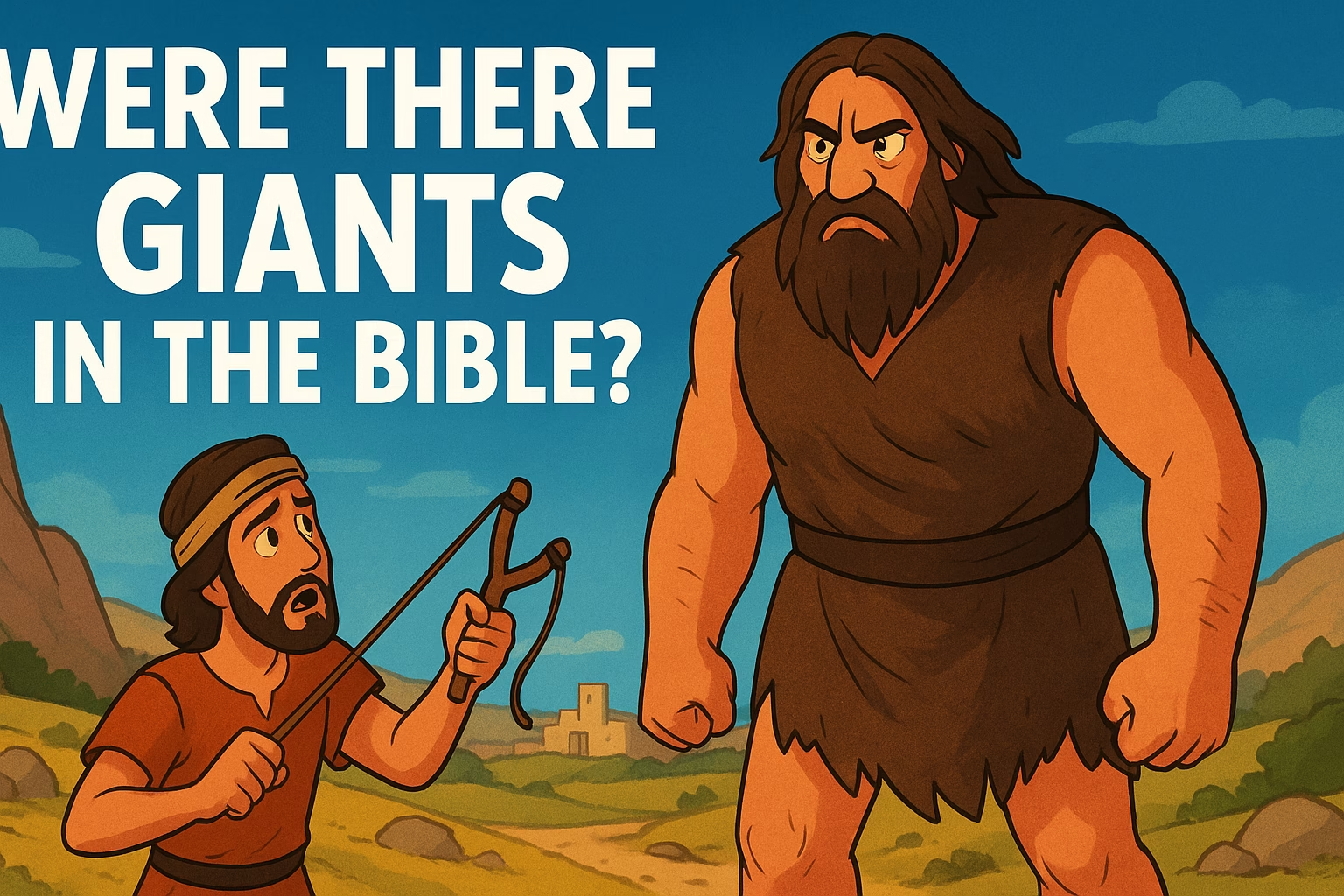
The question of whether there were giants in the Bible often sparks curiosity and debate among readers and scholars alike. The idea of giants evokes images of enormous beings roaming the earth, and this concept is rooted in various passages of Scripture. In this article, we will explore the biblical references to giants, their significance, and the context surrounding these mentions.
To answer the question directly: Yes, the Bible does mention giants. However, the nature and interpretation of these beings can vary significantly based on the passages and the translations used. The most notable references to giants are found in the Old Testament, particularly in the books of Genesis, Numbers, and Deuteronomy.
Biblical References to Giants
The most famous reference to giants in the Bible is found in Genesis 6:1-4. This passage describes the sons of God and the daughters of men, leading to the birth of nephilim. The text states, “In those days and even afterward, giant nephilim lived on the earth, for whenever the sons of God had intercourse with women, they gave birth to children who became the heroes and famous warriors of ancient times” (NLT). This passage has led to various interpretations regarding the identity of the nephilim and their connection to giants.
The Nephilim
The term “nephilim” is often translated as “giants” in many versions of the Bible. However, the exact meaning of the word is uncertain. Some scholars suggest that it comes from a root word meaning “to fall,” which may imply that these beings were fallen ones. Others argue that nephilim may refer to their stature or might, indicating they were powerful or formidable figures.
The nephilim are described as “heroes and famous warriors,” which suggests they were not just large in size but also significant in strength and reputation.
Another key reference to giants appears in Numbers 13:33, where the Israelite spies report back regarding the inhabitants of Canaan: “We even saw giants there, the descendants of Anak. Next to them we felt like grasshoppers, and that’s what they thought, too!” (NLT). This passage highlights the fear and intimidation the spies experienced in the presence of these formidable beings.
The Descendants of Anak
The descendants of Anak, mentioned in Numbers, are specifically noted as giants. The name “Anak” itself is often associated with a race of giants known as the Anakim. The spies’ comparison of themselves to grasshoppers illustrates their perception of these giants as overwhelmingly powerful and intimidating.
Later in the book of Deuteronomy, the giants are mentioned again. In Deuteronomy 2:10-11, it states, “The Emim were large and numerous, as tall as the Anakim. They were also known as giants, though the Moabites called them Emim” (NLT). This reference reinforces the idea that various groups in the region recognized and described these giants, suggesting that the existence of such beings was a well-known fact among ancient peoples.
Other Biblical Mentions
Aside from the nephilim and the Anakim, other references to giants can be found throughout the Old Testament. For instance, in 1 Chronicles 20:4-8, there are accounts of battles against giants, including a giant named Goliath, who famously confronted David. Goliath is described as being “over nine feet tall” (NLT), which underscores the physical enormity associated with giants in biblical narratives.
- 1 Samuel 17: The story of David and Goliath exemplifies the theme of overcoming seemingly insurmountable odds, as David, a young shepherd, defeats the giant with a sling and a stone.
- 2 Samuel 21:15-22: This passage recounts additional encounters with giants, including the defeat of other descendants of the giant Goliath.
Interpretations and Theological Implications
The existence of giants in the Bible raises various theological questions. Some interpret the accounts of giants as literal historical events, while others view them as symbolic or mythological representations of chaos and evil. The varying interpretations often depend on one’s theological perspective and approach to Scripture.
Some theologians argue that the presence of giants signifies the corruption and moral decline of humanity prior to the flood, as described in Genesis 6. The existence of the nephilim could be seen as a manifestation of human rebellion against God, leading to divine judgment. In this view, the giants serve as a reminder of the consequences of sin and disobedience.
Symbolism of Giants
Others suggest that giants represent the challenges and obstacles believers face in their spiritual journeys. Just as the Israelites had to confront the giants of Canaan, Christians today may encounter their own “giants” in the form of fears, doubts, and adversities. The biblical narrative encourages believers to trust in God’s strength to overcome these challenges.
In summary, the Bible does mention giants, particularly in the context of the nephilim and the descendants of Anak. These references provoke thought about their nature, significance, and the broader implications for understanding biblical narratives. As we continue to explore this topic, we will delve deeper into the interpretations and the lasting impact of these giant figures in Scripture.
Historical Context of Giants in the Ancient Near East
To better understand the biblical references to giants, it is essential to consider the historical and cultural context of the Ancient Near East. Many ancient cultures, including the Sumerians, Babylonians, and Egyptians, had their own myths and legends about giants. These stories often depicted giants as formidable beings who could be either benevolent or malevolent, influencing the lives of humans. The biblical accounts may reflect or respond to these broader cultural narratives, shaping the understanding of giants within Israelite tradition.
In the context of the ancient world, giants were often associated with chaos and disorder. The creation stories of various cultures frequently included battles between gods and giant creatures that represented chaos. This motif can be seen in the biblical narrative as well, where giants symbolize not just physical strength but also spiritual opposition to God’s order. Understanding this backdrop can provide insight into why the biblical authors included giants in their narratives and how these figures serve to illustrate deeper theological truths.
Comparative Mythology and Biblical Giants
Exploring the similarities between biblical giants and figures from other ancient mythologies can shed light on their significance. For instance, the Epic of Gilgamesh, a Mesopotamian text, features the hero Gilgamesh, who is described as two-thirds divine and one-third human, often engaging with giant beings. Such stories might have influenced the way the Israelites viewed their own narratives about giants.
These shared motifs raise questions about how the biblical authors intended to convey their messages. Did they adopt elements from surrounding cultures to communicate truths about God’s sovereignty? Or were the references to giants meant to affirm a unique Israelite identity in contrast to neighboring peoples? These questions invite further exploration of the theological implications behind the presence of giants in Scripture.
Literary Symbolism and Themes
Beyond historical context, the giants in the Bible can be examined through literary symbolism. The narratives involving giants often serve as a backdrop for illustrating themes of faith, courage, and divine intervention. For example, in the story of David and Goliath, the giant represents not only a physical adversary but also the fears and doubts that can paralyze individuals. David’s victory over Goliath symbolizes the triumph of faith and reliance on God over seemingly insurmountable challenges.
Furthermore, giants can also represent the obstacles that believers face in their spiritual journeys. The portrayal of giants as fearsome figures serves to highlight the importance of faith in overcoming life’s difficulties. Just as the Israelites faced literal giants in Canaan, Christians today may confront their own giants—be they personal struggles, societal challenges, or spiritual battles. This thematic interpretation encourages believers to draw strength from their faith and trust in God’s power.
The Role of Faith in Confronting Giants
The narrative of confronting giants often emphasizes the necessity of faith and reliance on God. In the face of overwhelming odds, the biblical heroes who confront giants, such as David, exemplify a steadfast trust in divine assistance. This aspect of the stories can inspire readers to reflect on their own lives and the “giants” they face. How do we respond to challenges? Do we rely on our own strength, or do we seek God’s support?
These questions resonate with the broader Christian message of reliance on God’s power amidst trials. The biblical giants, therefore, serve as both literal and metaphorical representations of the struggles that believers encounter, reinforcing the importance of faith in overcoming adversity.
Contemporary Perspectives on Giants
In contemporary discussions, the idea of giants in the Bible continues to intrigue scholars and laypeople alike. Some modern interpretations tend to view the giants solely through a historical or allegorical lens, while others embrace a more literal understanding of their existence. The diversity of perspectives highlights the ongoing relevance of these ancient narratives.
Additionally, the portrayal of giants has found its way into popular culture, from literature to films, often emphasizing their mythical qualities. These adaptations can influence how current generations perceive the biblical accounts, potentially overshadowing the deeper theological significance behind the giants. As believers engage with these stories, it becomes essential to discern the core messages and how they apply to contemporary faith experiences.
Questions for Further Reflection
As we conclude our exploration of giants in the Bible, several meaningful questions arise for further reflection:
- What do the giants in the biblical narrative reveal about the nature of sin and its consequences?
- How can the stories of confronting giants inform our understanding of faith and resilience in today’s world?
- In what ways do cultural interpretations of giants influence our readings of Scripture?
These questions prompt deeper engagement with the biblical text and invite believers to explore the implications of giants for their faith journeys.
Conclusion: Giants as Symbols of Faith and Challenge
In summary, the giants mentioned in the Bible are complex figures that evoke numerous interpretations and reflections. Their presence in Scripture serves not only as historical references but also as rich symbols of the challenges faced by believers. Whether viewed as literal beings or metaphorical representations of fear and adversity, the narratives surrounding giants encourage readers to trust in God’s power to overcome obstacles in their lives. By examining both the historical context and the theological implications, we can appreciate the enduring relevance of these ancient stories in our spiritual journeys.
For further insights into the cultural context of giants in the Bible and their impact on faith, you may find these articles helpful: descriptive anchor text and descriptive anchor text.