The term “Gentiles” appears frequently in the Bible, and understanding its meaning is crucial for grasping the wider narrative of Scripture. Throughout both the Old and New Testaments, Gentiles play a significant role in the unfolding story of God’s relationship with humanity. This article will explore who the Gentiles are in the biblical context, their significance, and how they are viewed in both the Jewish and Christian traditions.
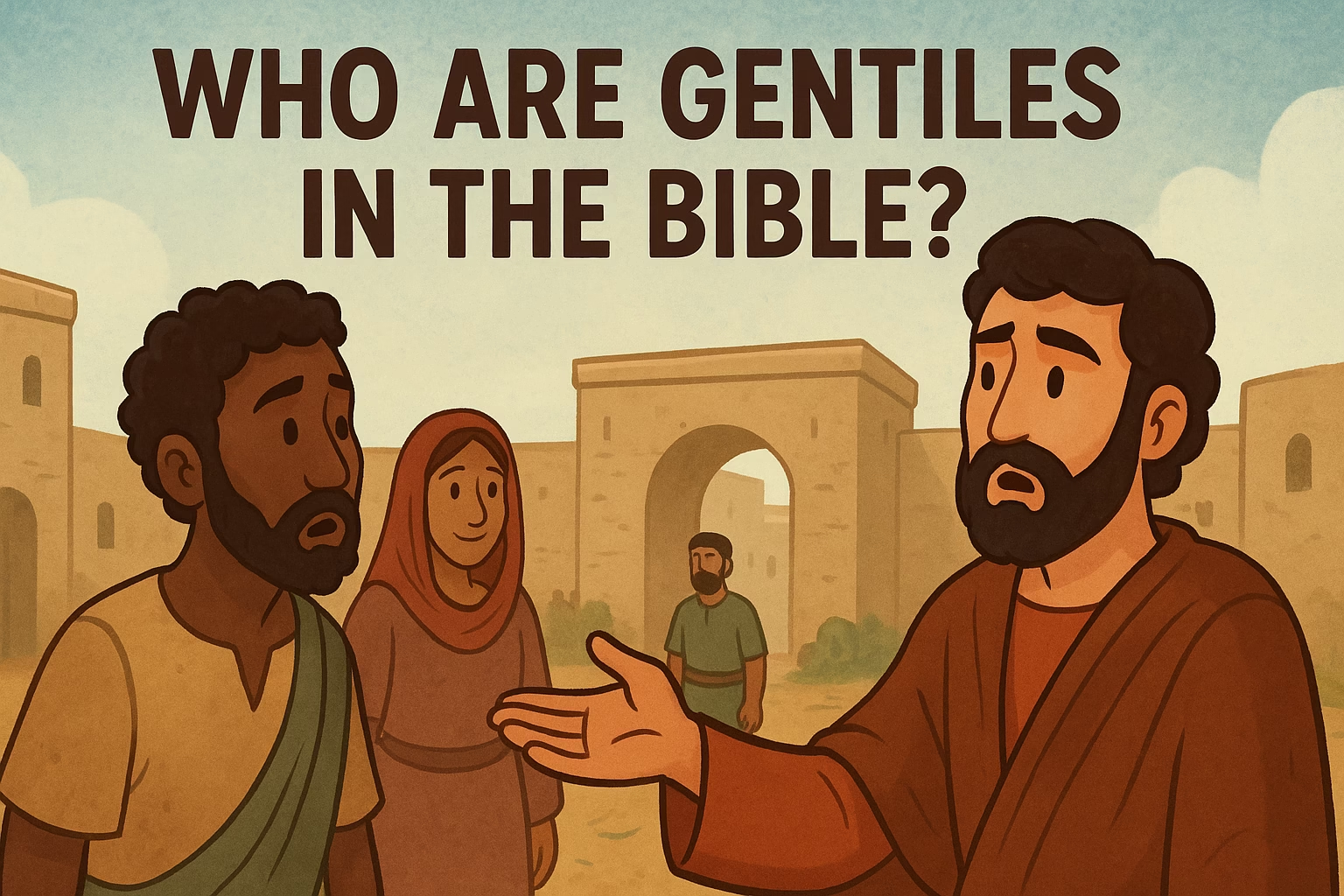
In biblical terms, “Gentiles” refers to people who are not part of the Israelite nation, meaning they are non-Jews. The Hebrew word for Gentiles is “goyim,” which translates to “nations” or “peoples.” In the New Testament, the Greek term “ethnos” is used, which also means “nations.” Thus, Gentiles are essentially anyone from the various nations outside of Israel. This distinction is important as it reflects the broader scope of God’s plan for humanity.
The Old Testament Context
In the Old Testament, the focus is primarily on the nation of Israel as God’s chosen people. This selection was not meant to exclude others but to establish a covenant relationship through which God would reveal Himself to the world. The Abrahamic covenant, found in Genesis 12:1-3, highlights this purpose, stating that through Abraham’s descendants, all nations (Gentiles) would be blessed.
Examples of Gentiles in the Old Testament
Throughout the Old Testament, we see various Gentile nations and individuals interacting with Israel. For instance:
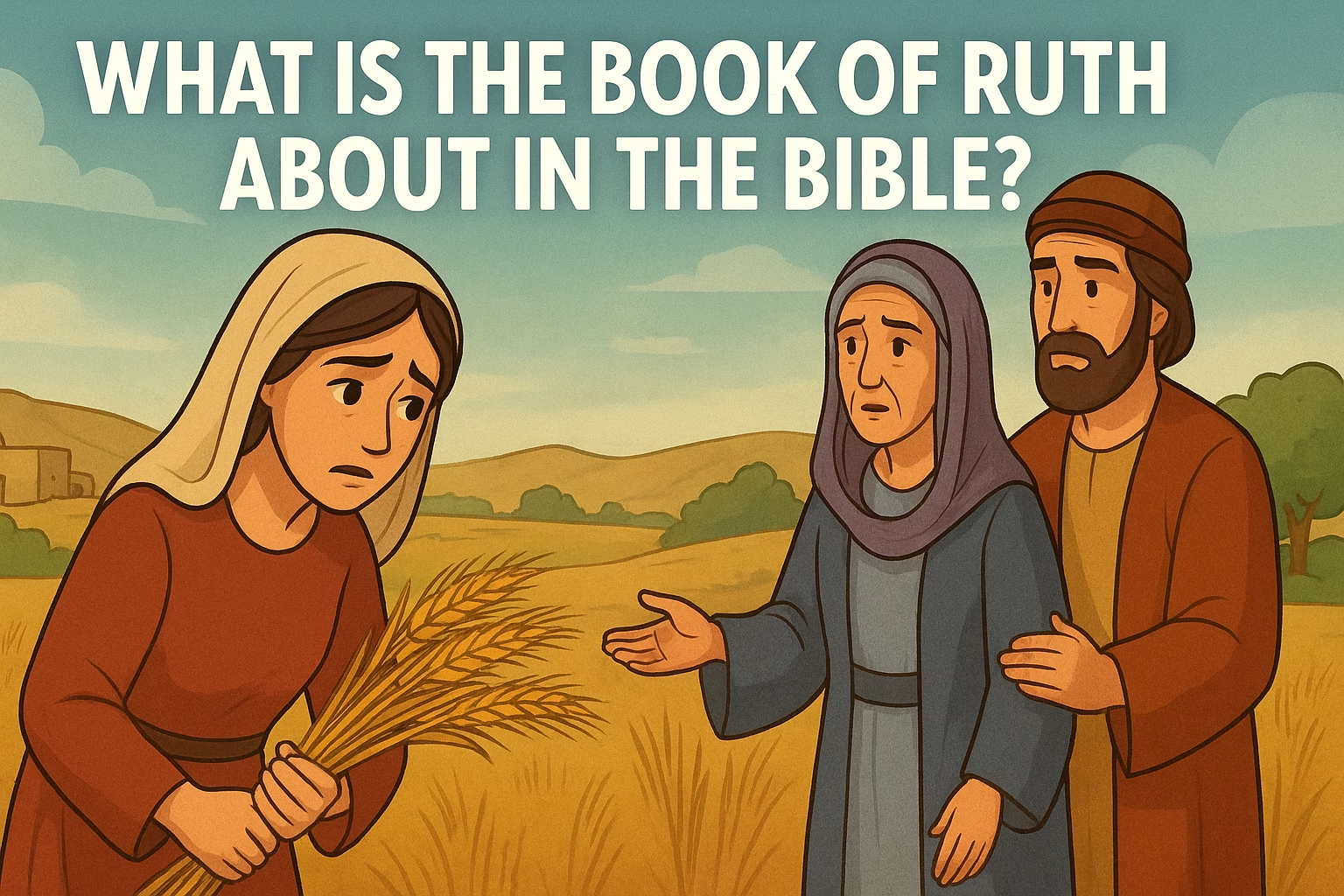
- Ruth: A Moabite woman who became part of Israel through her loyalty to her Israelite mother-in-law, Naomi. Ruth’s story, found in the Book of Ruth, illustrates how Gentiles can be integrated into the people of God.
- Naaman: A Syrian military commander who was healed of leprosy by the prophet Elisha (2 Kings 5). His story shows that God’s power was not limited to Israel alone.
- Jonah and Nineveh: The prophet Jonah was sent to the Gentile city of Nineveh, demonstrating God’s concern for all nations. When the Ninevites repented, God showed mercy, emphasizing His willingness to forgive even those outside Israel.
These accounts demonstrate that while Israel was God’s chosen people, His mercy and grace extended to the Gentiles as well. This foreshadows the New Testament revelation of salvation for all people.
The New Testament Revelation
The New Testament marks a significant turning point in the understanding of Gentiles in relation to God’s plan. With the coming of Jesus Christ, the barriers between Jews and Gentiles began to dissolve. Jesus’ ministry included the Gentiles, as seen in His interactions with the Samaritan woman at the well (John 4) and His healing of the Roman centurion’s servant (Matthew 8:5-13).
The Great Commission
After His resurrection, Jesus instructed His disciples to spread the Gospel to all nations. In Matthew 28:19-20, known as the Great Commission, He commands, “Therefore, go and make disciples of all nations.” This directive indicates that the message of salvation is not limited to the Jewish people but is intended for every nation and ethnicity.
The Early Church and the Inclusion of Gentiles
The early church grappled with the inclusion of Gentiles into what was initially a Jewish movement. The Book of Acts details this transition. In Acts 10, Peter receives a vision that leads him to the house of Cornelius, a Gentile. Peter realizes that God does not show favoritism but accepts people from every nation who fear Him and do what is right. This pivotal moment marks the formal acceptance of Gentiles into the Christian faith.
Later, the Apostle Paul becomes a key figure in spreading the Gospel to the Gentiles. In his letters, Paul emphasizes that faith in Christ, rather than adherence to the law, is what unites both Jews and Gentiles. For example, in Galatians 3:28, he writes, “There is neither Jew nor Gentile, neither slave nor free, nor is there male and female, for you are all one in Christ Jesus.” This radical inclusivity was foundational for the early church.
Understanding Gentiles Today
In contemporary Christianity, the term “Gentiles” can serve as a reminder of the universal nature of the Gospel. The message of Jesus Christ transcends cultural, racial, and national boundaries. Gentiles, in this sense, represent all who are outside the Jewish heritage, inviting believers to reflect on the inclusive nature of God’s love.
While the specific cultural and historical context of the biblical Gentiles differs from today, the principle remains: God’s grace is available to everyone. This understanding encourages Christians to reach out to all people, recognizing that God’s desire is for all to come to repentance and faith.
As Paul states in Romans 1:16, “For I am not ashamed of the gospel, because it is the power of God that brings salvation to everyone who believes: first to the Jew, then to the Gentile.”
This powerful declaration underscores the importance of viewing Gentiles not as outsiders but as recipients of God’s redemptive plan. In the eyes of God, there is a shared humanity that binds all people together, regardless of their ethnic or cultural backgrounds.
The Role of Gentiles in Salvation History
The inclusion of Gentiles in the biblical narrative is not merely a historical footnote but a central theme in understanding God’s overarching plan for humanity. From the very beginning, God’s intention was to reach beyond Israel to all nations. The prophetic writings in the Old Testament foreshadow this inclusion, emphasizing that the Messiah would bring salvation not just to Israel but to the Gentiles as well.
For instance, the prophet Isaiah speaks of a future time when the nations will come to worship the Lord. In Isaiah 49:6, God declares, “It is too small a thing for you to be my servant to restore the tribes of Jacob and bring back those of Israel I have kept. I will also make you a light for the Gentiles, that my salvation may reach to the ends of the earth.” This verse highlights the intended mission of the Messiah, serving as a light to all nations.
Theological Implications of Gentile Inclusion
The theological implications of including Gentiles in God’s redemptive plan are profound. It challenges the exclusivity that many Jews felt regarding their covenant relationship with God. The New Testament writers, particularly Paul, articulate this shift. In Ephesians 2:14-16, Paul explains that Christ has broken down the dividing wall of hostility, making peace between Jews and Gentiles. This unity in Christ signifies that all believers are fellow citizens in God’s kingdom, regardless of their ethnic backgrounds.
This radical inclusivity is foundational to understanding the nature of the Church as the body of Christ. Gentiles are not merely added to the existing faith; they become integral members of a new community that transcends former divisions. This community embodies the love of Christ and serves as a testament to God’s grace and mercy.
The Gentile Perspective in Early Christian Writings
From the perspective of early Christian writings, the Gentile experience is often portrayed with a sense of wonder and gratitude. In the letters of Paul, he frequently expresses joy at the faith of Gentile believers. In Romans 15:9, Paul writes that the Gentiles glorify God for His mercy, highlighting their response to the Gospel as one of worship and praise.
Furthermore, the Book of Revelation envisions a diverse multitude from every nation, tribe, people, and language worshiping before the throne of God. This image reinforces the idea that the ultimate fulfillment of God’s promise includes all of humanity, united in worship and love for their Creator.
The Challenge of Cultural Differences
Despite the clear message of inclusion, the early church faced challenges regarding cultural differences between Jews and Gentiles. Issues arose concerning dietary laws, circumcision, and traditional practices. The Jerusalem Council, as recorded in Acts 15, was a pivotal moment where church leaders sought to address these conflicts. They recognized that salvation comes by grace through faith and not by the observance of the law, thereby affirming that Gentiles need not adopt all Jewish customs to be accepted into the faith.
This decision was monumental, allowing the early church to grow and flourish among Gentile populations. It illustrates the necessity of navigating cultural differences while maintaining the core message of the Gospel. The early church’s ability to embrace diverse practices ultimately enriched the Christian faith.
Modern Implications of Gentile Inclusion
In modern Christianity, understanding the role of Gentiles serves as a powerful reminder of the Gospel’s universal message. It encourages believers to foster inclusivity within their communities, reflecting the love and acceptance that Christ demonstrated. The call to reach out to those who may feel like outsiders is a vital aspect of living out the Christian faith.
Churches today are challenged to confront their biases and ensure that their communities are welcoming to all. This means actively engaging with different cultures, races, and backgrounds. By doing so, Christians can embody the essence of the Gospel, which is rooted in love, compassion, and acceptance.
Questions for Reflection
As we consider the biblical understanding of Gentiles, several questions arise that can deepen our reflection:
- How can we, as individuals and as a church community, better reflect the inclusivity of the Gospel in our outreach efforts?
- What barriers exist in our society today that prevent the acceptance of others, and how can we work to dismantle those barriers?
- In what ways can we celebrate the diversity of the body of Christ while maintaining our unity in faith?
Engaging with these questions can help believers apply the lessons of Gentile inclusion to their lives and communities, promoting a culture of acceptance and love.
Conclusion: Gentiles and the Heart of God
The story of Gentiles in the Bible is ultimately a testament to the heart of God. It reveals His desire for all people to know Him and experience His love. The inclusion of Gentiles in God’s plan serves as a powerful reminder that the Gospel is for everyone, transcending cultural, ethnic, and social barriers. As Christians, we are called to embody this spirit of inclusivity, sharing the message of salvation with all nations and celebrating the diverse tapestry of believers united in Christ.
By understanding who the Gentiles are in the Bible, we gain insight into our own faith journey and the importance of embracing others in the love of Christ. The ongoing invitation is clear: God desires that all come to Him, and we are called to be vessels of His grace to the world.
For further exploration of related topics, you can read about what the Bible says about Islam and learn about who the scribes were in the Bible.