The term “exalt” is frequently encountered in the Bible, carrying deep significance in the context of faith, worship, and the relationship between God and humanity. Understanding what it means to exalt in biblical terms can provide insight into the nature of God’s sovereignty and the appropriate response of believers. This article delves into the meaning of “exalt” as it appears in Scripture and explores relevant passages that illustrate its importance.
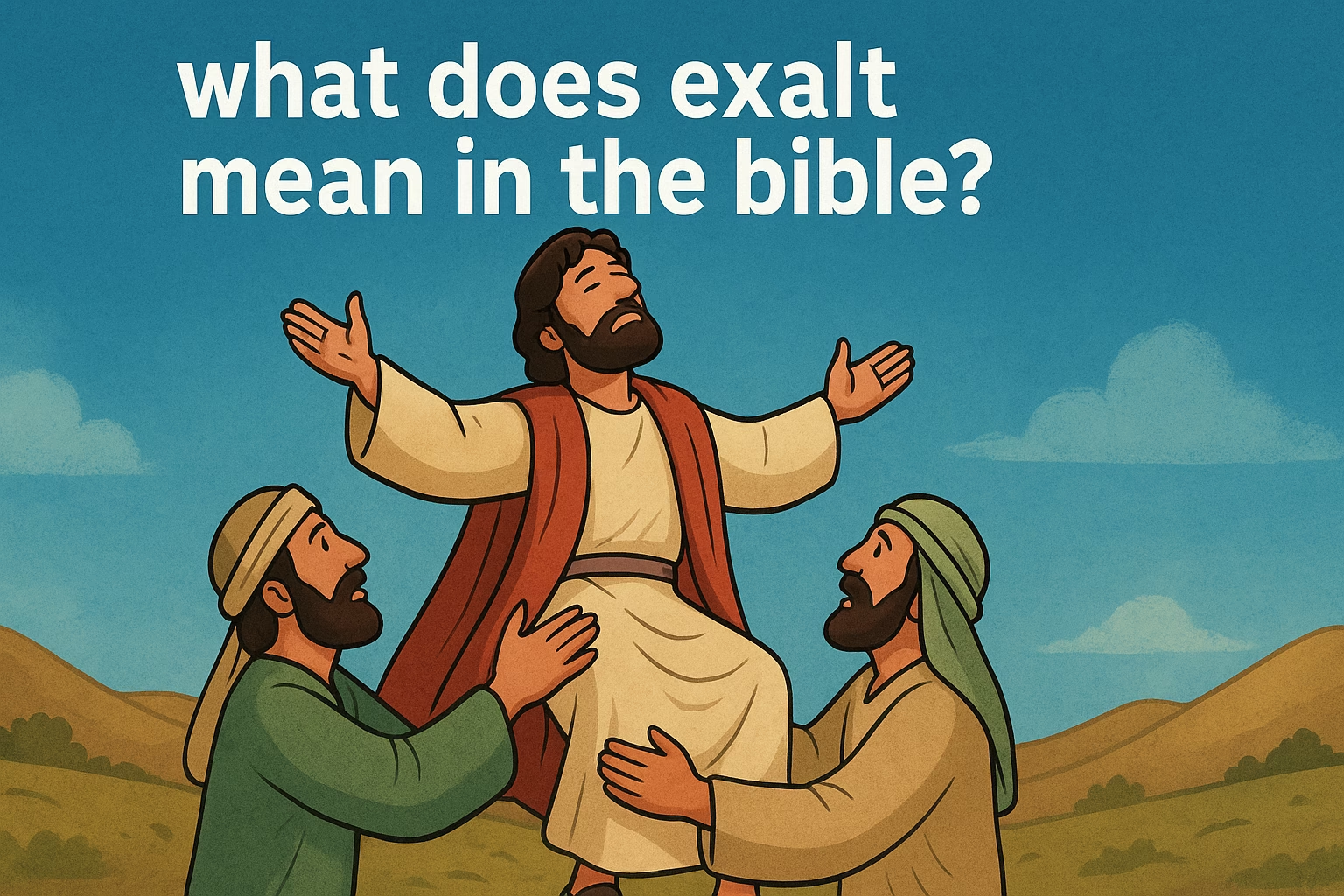
In the Bible, to “exalt” generally means to lift up, elevate, or glorify. It is often used in the context of honoring God, praising His greatness, and acknowledging His supreme authority. The concept of exaltation encompasses both God’s actions towards His people and the response of believers in worship and devotion. Throughout Scripture, exalting God is portrayed as a fundamental aspect of faith, reflecting a believer’s recognition of God’s holiness and power.
The Meaning of Exaltation in Scripture
The Hebrew and Greek words translated as “exalt” in the Bible carry connotations of lifting up, raising, or elevating someone or something to a position of honor. For instance, the Hebrew word “rum” (רוּם) is often used in the Old Testament to describe the act of raising someone to a higher status. In the New Testament, the Greek word “hupsoo” (ὑψόω) conveys a similar idea of elevation or glorification.
Exalting God in Worship
One of the primary contexts in which “exalt” is used is in the act of worship. Believers are called to exalt God through praise and adoration. Psalm 99:5 states, “Exalt the Lord our God! Bow low before his feet, for he is holy!” This verse illustrates the connection between exalting God and humility before Him. Exalting God involves recognizing His holiness and majesty, which, in turn, leads to a posture of reverence.
Another powerful example is found in Psalm 34:3, where David invites others to join him in exalting the Lord: “Come, let us tell of the Lord’s greatness; let us exalt his name together.” This communal aspect of exalting God highlights the importance of worship as a collective expression of faith. When believers come together to exalt God, they create a space where His presence can be felt and His greatness acknowledged.
Exaltation in the Life of Believers
Exalting God is not just limited to worship; it also extends to the daily lives of believers. In James 4:10, the Apostle James writes, “Humble yourselves before the Lord, and he will lift you up in honor.” Here, the act of humbling oneself is directly tied to being exalted by God. This verse emphasizes that true exaltation comes from God as a response to humility and submission. It illustrates a divine principle: when we acknowledge our dependence on God and seek to exalt Him, He, in turn, lifts us up.
Additionally, in Matthew 23:12, Jesus teaches, “But those who exalt themselves will be humbled, and those who humble themselves will be exalted.” This principle serves as a warning against pride and self-promotion. It underscores the idea that genuine exaltation comes not from human effort or ambition but from a heart that seeks to honor God above all else.
Examples of Exaltation in the Bible
The Bible provides numerous examples of individuals who exalted God through their actions and words. One notable figure is King David, who often expressed his desire to exalt the Lord in worship. In 1 Chronicles 16:25, David proclaims, “For great is the Lord! He is most worthy of praise! He is to be feared above all gods.” David’s life was marked by a commitment to exalting God through song, prayer, and acts of obedience.
Another significant example is found in the life of Jesus Christ. In Philippians 2:9-11, Paul writes about how God exalted Jesus after His humility and obedience: “Therefore, God elevated him to the place of highest honor and gave him the name above all other names.” Jesus’ exaltation serves as a profound demonstration of how God honors those who serve with humility and love.
Exaltation and the Kingdom of God
The concept of exaltation is also tied to the coming Kingdom of God, where Christ will reign in glory. In Revelation 5:12, a multitude of angels and creatures proclaim, “Worthy is the Lamb who was slaughtered—to receive power and riches and wisdom and strength and honor and glory and blessing!” This scene illustrates the ultimate exaltation of Jesus as the Lamb who was slain, highlighting the eternal significance of His work for humanity’s salvation.
Moreover, believers are encouraged to look forward to the day when they will share in Christ’s exaltation. In Romans 8:17, Paul writes, “And since we are his children, we are his heirs. In fact, together with Christ we are heirs of God’s glory.” This promise assures believers that as they faithfully exalt God in their lives, they can anticipate being exalted alongside Christ in the fullness of God’s Kingdom.
Exalting Others in the Body of Christ
Exaltation in the Bible is not limited to God alone; it also extends to how believers interact with one another. In Philippians 2:3-4, Paul instructs, “Don’t be selfish; don’t try to impress others. Be humble, thinking of others as better than yourselves. Don’t look out only for your own
Exaltation and Spiritual Growth
Exalting God and others plays a crucial role in the spiritual growth of believers. When individuals prioritize exalting God, they align themselves with His will and purpose. This alignment fosters a deeper relationship with God, allowing for spiritual transformation. In Colossians 3:2, Paul encourages believers to “Set your minds on things that are above, not on things that are on earth.” By focusing on the exaltation of God, believers cultivate a heavenly perspective that influences their thoughts and actions.
Furthermore, exalting God can lead to an increased awareness of His presence in everyday life. When believers consciously choose to exalt God through prayer, worship, and acts of service, they open themselves to experiencing His guidance and provision. This can lead to a more profound sense of peace and joy as believers recognize God’s active role in their lives.
Challenges to Exaltation
Despite the clear call to exalt God and others, believers may face challenges that hinder their ability to do so. One significant barrier is the temptation to seek personal glory or recognition. This inclination can lead to pride, which is contrary to the spirit of humility necessary for true exaltation. In 1 Peter 5:5, Peter reminds believers to “clothe yourselves with humility toward one another.” Recognizing this struggle is essential for maintaining a posture of exaltation.
Additionally, external pressures from society can distract believers from exalting God. The fast-paced, achievement-oriented culture may encourage self-promotion over humility. It is vital for Christians to remain grounded in Scripture and seek accountability within the community of faith to combat these distractions. By doing so, they can continue to prioritize the exaltation of God and others despite the challenges they may face.
Exaltation in Prayer and Thanksgiving
Prayer is another vital aspect of exalting God. In prayer, believers can express their gratitude, adoration, and reverence for God’s character and works. Philippians 4:6 encourages believers to “not be anxious about anything, but in every situation, by prayer and petition, with thanksgiving, present your requests to God.” This approach not only acknowledges God’s sovereignty but also exalts Him by recognizing His ability to intervene in the lives of His people.
Thanksgiving is also an essential component of exalting God. In Psalm 100:4, the psalmist writes, “Enter his gates with thanksgiving and his courts with praise; give thanks to him and praise his name.” A heart of gratitude focuses on God’s goodness and faithfulness, naturally leading to exaltation. When believers cultivate a habit of giving thanks, they shift their perspective and foster a deeper understanding of God’s grace in their lives.
Exaltation as a Witness
Exalting God can serve as a powerful witness to the world. When believers live out lives that honor and glorify God, they reflect His love and truth to those around them. Jesus emphasized this in Matthew 5:16, saying, “Let your light shine before others, that they may see your good deeds and glorify your Father in heaven.” By exalting God through their actions and attitudes, believers can draw others to Him and inspire them to seek a relationship with Christ.
In this way, exaltation becomes not just a personal act of worship but also a communal declaration of faith. As believers exalt God together, they create an environment where others can witness the transformative power of God’s love. This communal aspect of exaltation can encourage evangelism and bring glory to God as more people come to know Him.
Final Thoughts on Exaltation in the Bible
In summary, to exalt in the biblical sense encompasses a multifaceted understanding of honoring God, valuing others, and embracing humility. It is a core element of worship, a pathway to spiritual growth, and a means of witnessing to the world. By lifting God high in praise and serving others with love and humility, believers align themselves with God’s heart and purpose. The call to exaltation is not just a personal endeavor but a collective journey within the body of Christ, fostering unity and encouraging spiritual maturity among all believers.
Ultimately, the act of exalting God shapes the lives of individuals and communities, reflecting the beauty of God’s nature and His desire for humanity. As believers strive to exalt Him in every aspect of life, they can anticipate the joy of participating in His eternal Kingdom, where He will be glorified forever.
For further exploration of related topics, you can read more about the significance of worship in the Christian faith at this article and discover how humility plays a vital role in the life of a believer in this piece.