
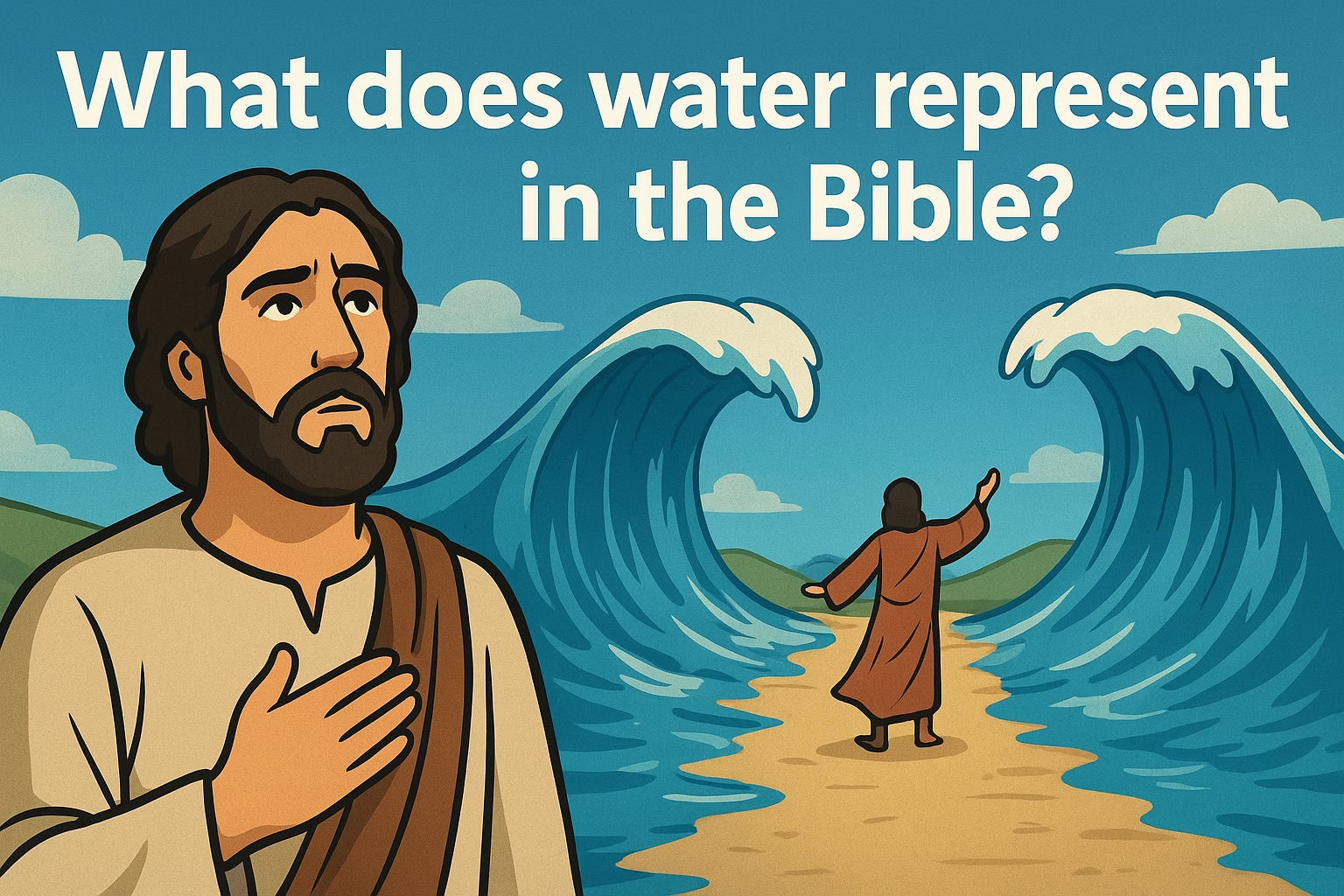
Water is a significant symbol throughout the Bible, representing various spiritual truths, life, and purification. Understanding the role of water in Scripture allows us to gain deeper insights into God’s nature, our relationship with Him, and the transformative power of faith. This article will explore the multifaceted meanings of water in the Bible, drawing from key passages and themes.
In the Bible, water often represents life, cleansing, and the Holy Spirit. From the creation narrative to Jesus’ teachings, water serves as a metaphor for spiritual renewal and sustenance. Let’s delve into some of the primary representations of water in Scripture.
Water as a Source of Life
Water is fundamentally associated with life. In the very beginning, Genesis describes how God created the earth and separated the waters, establishing an environment where life could flourish. In Genesis 1:2, the Spirit of God is said to be hovering over the waters, indicating the essential role of water in creation.
In Exodus, water takes on a critical role during the Israelites’ escape from Egypt. When they reached the Red Sea, God parted the waters, allowing them to cross safely. This miraculous event symbolizes not only physical deliverance but also spiritual rebirth and liberation from bondage (Exodus 14). The crossing of the sea highlights how water can signify both danger and salvation.
Water as a Symbol of Cleansing
Another prominent representation of water in the Bible is its use for purification and cleansing. In the Old Testament, various ceremonial washings and rituals involved water, emphasizing the need for cleanliness before approaching God. For instance, the priests had to wash themselves and their garments in water before performing their duties (Exodus 30:17-21).
In the New Testament, the theme of cleansing continues. John the Baptist used water for baptizing, calling people to repentance and symbolizing the washing away of sin (Matthew 3:11). This act of baptism signifies a fresh start and a new life in Christ, marking the believer’s commitment to follow Him.
Water and the Holy Spirit
Water also symbolizes the Holy Spirit in Scripture. Jesus spoke of the Holy Spirit using the imagery of water when He said, “Anyone who believes in me may come and drink! For the Scriptures declare, ‘Rivers of living water will flow from his heart’” (John 7:38 NLT). Here, the “living water” represents the spiritual nourishment and vitality that the Holy Spirit provides to believers. It signifies a connection to God that refreshes and sustains the soul.
Moreover, in the account of Jesus’ conversation with the Samaritan woman at the well, He offers her “living water” that leads to eternal life (John 4:10). This conversation illustrates how Jesus fulfills the deepest spiritual needs of humanity, offering a relationship that transcends mere physical existence.
Water as a Metaphor for Judgment
While water often represents life and purification, it can also symbolize judgment. The Great Flood during Noah’s time is a stark example of this duality. God used water to cleanse the earth of its wickedness, saving only Noah and his family (Genesis 6-9). The flood illustrates the seriousness of sin and the consequences of turning away from God, while simultaneously showing God’s mercy to those who are faithful.
In the prophetic literature, water can also signify impending judgment. In Jeremiah 51:13, Babylon is depicted as a land of many waters that will face destruction. This imagery serves as a warning of the consequences of sin and the eventual judgment that comes from turning away from God.
Water in the Context of Spiritual Thirst
Throughout the Bible, water is used to convey the idea of spiritual thirst and the longing for God. In Psalm 42:1-2, the psalmist writes, “As the deer longs for streams of water, so I long for you, O God. I thirst for God, the living God.” Here, water represents the deep desire for a relationship with God, highlighting our need for spiritual fulfillment.
Jesus addressed this spiritual thirst when He offered Himself as the solution to our deepest needs. In Revelation 21:6, He declares, “It is finished! I am the Alpha and the Omega, the Beginning and the End. To all who are thirsty I will give freely from the springs of the water of life.” This promise emphasizes that true satisfaction and life come only through Him.
Conclusion of Part One
Water serves as a powerful symbol throughout the Bible, representing life, cleansing, the Holy Spirit, judgment, and our spiritual thirst for God. These themes interweave to reveal profound truths about God’s nature and His relationship with humanity. In the next part, we will explore additional dimensions of water’s symbolism, including its role in community and worship, and how believers today can apply these biblical truths in their lives.
Water as a Community Symbol
In addition to its personal significance, water also represents community and fellowship in the Bible. For instance, during the Israelites’ journey through the wilderness, water was a communal necessity. God provided water from a rock to quench the thirst of the entire nation (Exodus 17:1-7). This act not only met a physical need but also reinforced their collective dependence on God. The shared experience of receiving water unified the Israelites, fostering a sense of community under God’s provision.
Furthermore, the act of baptism, which involves water, serves as a public declaration of faith and a means of entering into the Christian community. In Acts 2:41, after Peter preached at Pentecost, about three thousand people were baptized, symbolizing their inclusion in the body of Christ. This communal aspect of baptism emphasizes the importance of belonging to a faith community and supporting one another in spiritual growth.
Water in Worship and Sacraments
Water also plays a crucial role in worship practices and sacraments within Christianity. The use of water in baptism signifies the believer’s identification with Christ’s death, burial, and resurrection (Romans 6:3-4). It is an essential rite that marks the beginning of a believer’s faith journey and their commitment to live in accordance with God’s will.
Moreover, in the Old Testament, water was integral to various purification rituals. The ritual washings were not only about physical cleanliness but also about preparing oneself to enter into God’s presence. This theme continues into the New Testament, where Jesus’ miracles involving water, such as turning water into wine (John 2:1-11), highlight His divine authority and the transformative power of His presence in worship.
Water and the Promise of Restoration
Another significant aspect of water in the Bible is its association with restoration and renewal. In Isaiah 43:19, God promises to do a new thing, making a way in the wilderness and streams in the desert. This imagery reflects hope and the promise of revitalization, suggesting that God can bring life and abundance even in seemingly desolate circumstances.
In the book of Revelation, water takes on a redemptive quality as it symbolizes the ultimate fulfillment of God’s promises. Revelation 22:1 describes a river of the water of life flowing from the throne of God, indicating the eternal sustenance and joy that believers will experience in heaven. This image serves as a powerful reminder of the hope that lies ahead, where all thirst will be quenched eternally in God’s presence.
Water’s Role in Spiritual Growth
Water also represents the process of spiritual growth and transformation. Just as water nourishes plants, enabling them to grow, so too does the Word of God nourish believers, allowing them to mature in their faith. Ephesians 5:26 speaks of Christ cleansing the church by the washing of water through the Word, highlighting the importance of Scripture in the believer’s life. This cleansing is not just about initial forgiveness but ongoing spiritual growth and development.
Additionally, the imagery of water in the form of rain is often used to symbolize God’s blessings and the outpouring of His Spirit. In James 5:7, believers are encouraged to be patient for the coming of the Lord, likened to the early and latter rains that nourish the earth. This metaphor emphasizes the importance of waiting on God for spiritual renewal and growth, trusting that He will provide what is needed in due time.
Follow-Up Questions for Reflection
As we consider the various representations of water in the Bible, it invites us to reflect on our own lives and spiritual journeys. Here are some questions to ponder:
- How does understanding water as a symbol of life and cleansing impact your view of baptism?
- In what ways can you experience the “living water” that Jesus offers in your daily life?
- How does the communal aspect of water in the Bible influence your relationships within your faith community?
- What areas of your life need renewal, and how can you invite God to bring that restoration?
- How does the imagery of water as a source of nourishment shape your approach to Scripture and spiritual growth?
Conclusion
Water in the Bible serves as a profound symbol, encapsulating themes of life, cleansing, community, worship, restoration, and spiritual growth. By exploring these dimensions, we gain a richer understanding of our relationship with God and the transformative power of faith. As believers, we are invited to reflect on how these biblical truths can manifest in our lives, leading to deeper relationships with God and one another. Ultimately, water symbolizes not only our need for physical sustenance but also our longing for spiritual fulfillment and connection with the divine.
For further insights into the role of water in community and worship, explore these articles: the significance of baptism in Christian faith and the importance of community in spiritual growth.