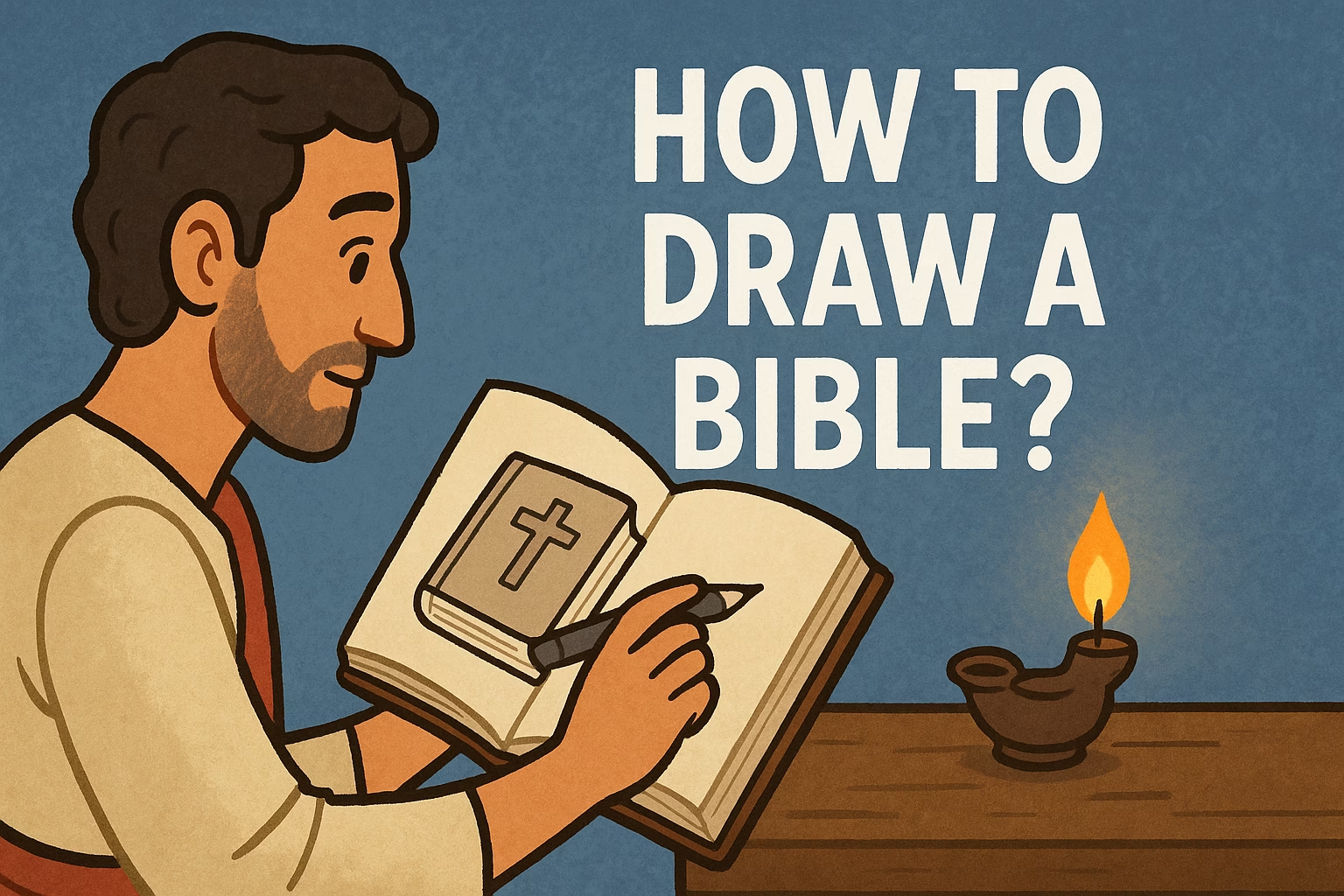
Drawing a Bible can be a meaningful and rewarding experience, especially for those who cherish its teachings and stories. Whether you want to create a simple representation or a more detailed artistic rendition, understanding the symbolism and structure of the Bible can enhance your drawing process. In this article, we will explore various aspects of how to draw a Bible, including its physical features, symbolic elements, and relevant biblical references that can inspire your artwork.
To draw a Bible, start by considering its basic shape and features. The Bible is often depicted as a book with a cover, pages, and sometimes decorative elements. You might want to include symbols like a cross, a dove, or even open pages with text to convey its spiritual significance. As you begin, think about the size and style you want to portray—whether it’s a traditional leather-bound Bible or a more modern version. Pay attention to details like the spine, the texture of the cover, and the way it opens. Below, we will delve deeper into the physical characteristics and symbolic meanings that can guide your drawing.
Understanding the Physical Characteristics
Basic Shape and Structure
The Bible is typically rectangular, resembling most books. To start your drawing, sketch a rectangle for the cover. You can decide if you want to draw it closed or open. For a closed Bible, draw two parallel lines on the top edge of the rectangle to represent the spine. If you choose to draw it open, consider creating two rectangles that represent each page, slightly angled to suggest depth.
Cover Design
Many Bibles have ornate covers. You can draw a simple line or a border around the edges to depict a decorative frame. Some Bibles feature symbols like a cross or a fish, which are significant in Christianity. If you want to add such symbols, you can sketch them in the center of the cover. Remember, you can also add texture to the cover by using cross-hatching or shading techniques to suggest leather or fabric.
Pages and Text
For an open Bible, the pages can be drawn with curved lines to show they are fanned out. You can add lines to represent text, but it’s not necessary to write actual words. Instead, you might want to include a few lines of text in a stylized way to give the impression of scripture. For instance, you could write “The Holy Bible” at the top of one page to indicate its title.
Incorporating Symbolic Elements
The Cross
The cross is one of the most recognized symbols of Christianity, representing the sacrifice of Jesus Christ. If you choose to include a cross in your drawing, you can place it prominently on the cover or as a part of the open pages. Drawing a simple cross involves two intersecting lines, but you can also embellish it with designs or patterns that resonate with your artistic style.
The Dove
The dove symbolizes peace and the Holy Spirit. In biblical accounts, doves are often associated with divine revelation. You might consider drawing a dove either on the cover or flying above the open Bible. A simple silhouette of a dove can be effective, or you could add details like wings and a gentle expression to convey its peaceful nature.
Scripture References
Including specific scripture references can add depth to your drawing. For example, you might write a well-known verse like John 3:16, which emphasizes God’s love for humanity: “For God loved the world so much that he gave his one and only Son.” These words can be included in a stylized font on the pages of your drawing. This not only provides context but also invites viewers to reflect on the meaning of the text.
Using Artistic Techniques
Shading and Texturing
To give your drawing a three-dimensional look, consider using shading techniques. For the cover, you can add darker shades along the edges to suggest depth. If you are drawing an open Bible, shading the pages can create the illusion of thickness. Lightly shading the areas where the pages meet can also suggest that they are slightly curled or worn.
Color Choices
Color can significantly impact the mood of your drawing. Traditional Bibles often have deep, rich colors like burgundy, navy, or black for the cover. You could use colored pencils or watercolors to enhance the visual appeal. Consider using gold or silver accents for text or decorative elements to give your Bible an elegant touch.
Final Touches
After completing your drawing, take a moment to evaluate it. You can add additional details or refine certain areas to enhance the overall appearance. If you want, you can incorporate a background, such as a soft glow or a heavenly light, to emphasize the spiritual significance of the Bible.
As you work on your drawing, remember that the Bible is not just a book; it is a source of inspiration and guidance for many. Your artistic interpretation can reflect your understanding and appreciation of its teachings, making your drawing a personal expression of faith.
Exploring the Spiritual Significance of the Bible
When drawing a Bible, it is essential to consider its spiritual significance beyond its physical appearance. The Bible is a sacred text for Christians, containing the Old and New Testaments, which serve as a guide for faith and practice. Understanding this context can enrich your drawing and provide a deeper connection to the artwork.
The Bible is often referred to as the “Word of God,” and it encompasses various genres, including history, poetry, prophecy, and letters. Each of these genres contributes to the overall message of love, redemption, and hope found throughout its pages. By reflecting on these themes while you draw, you can infuse your artwork with a sense of reverence and meaning.
Symbolism in Scripture
Each book of the Bible has its unique themes and symbols that can inspire your drawing. For instance, the Book of Psalms emphasizes praise and worship, while the Gospels focus on the life and teachings of Jesus. You might choose to highlight specific symbols or themes from these texts in your drawing to make it more meaningful. Consider elements such as:
- The Lamb: Symbolizing Jesus as the sacrificial lamb, often depicted in art as a gentle creature.
- The Olive Branch: Representing peace and reconciliation, it can be a beautiful addition to your artwork.
- The Tree of Life: A symbol of eternal life and God’s provision, it can be illustrated in the background or as part of the cover design.
Art as a Form of Worship
Creating art can be a form of worship and expression of faith. Many Christians believe that using your talents to create can honor God and inspire others. As you draw, consider praying or meditating on the scriptures to invite spiritual guidance into your artistic process. This can transform your drawing into a prayerful act and deepen your connection to the Bible’s teachings.
Engaging with the Community
Sharing your drawing with others can be a great way to engage with your community and spark discussions about the Bible. Whether it’s a church group, an art class, or social media, your artwork can serve as a conversation starter about faith and spirituality. Here are some ideas for sharing your drawing:
- Art Exhibits: Consider displaying your artwork at local churches or community centers where others can appreciate and reflect on its meaning.
- Workshops: Host a drawing workshop focused on biblical themes, encouraging participants to explore their creativity while learning about scripture.
- Online Sharing: Use social media platforms to share your drawing process and insights, inviting friends and followers to engage with the artwork and its message.
Follow-Up Questions for Reflection
As you contemplate your drawing, consider these questions to deepen your understanding of the Bible and its impact on your life:
- What specific passages or stories from the Bible resonate with you, and how can you incorporate them into your artwork?
- How does the act of drawing help you connect with your faith and the teachings of the Bible?
- What symbols or themes represent your personal journey in faith, and how can they be visually expressed in your drawing?
Final Thoughts on Drawing a Bible
Drawing a Bible is not just about replicating its physical form; it is an opportunity to express your faith, explore its teachings, and connect with others. By incorporating symbolic elements, understanding its spiritual significance, and engaging with your community, your artwork can become a meaningful representation of your beliefs and experiences.
As you reflect on the drawing process, remember that art can be a powerful tool for storytelling and sharing the message of the Gospel. Let your creativity flow, and allow your drawing to be a testament to the beauty and truth found within the pages of the Bible.
To further explore the significance of art in faith, you might find it helpful to read articles on the role of creativity in worship and how to share your faith through art.