The concept of wrath in the Bible is often misunderstood and can evoke strong emotions. It is crucial to explore what the Scripture truly communicates about God’s wrath, its purpose, and its implications for humanity. By examining key passages and their contexts, we can gain a clearer understanding of this significant theme in the biblical narrative.
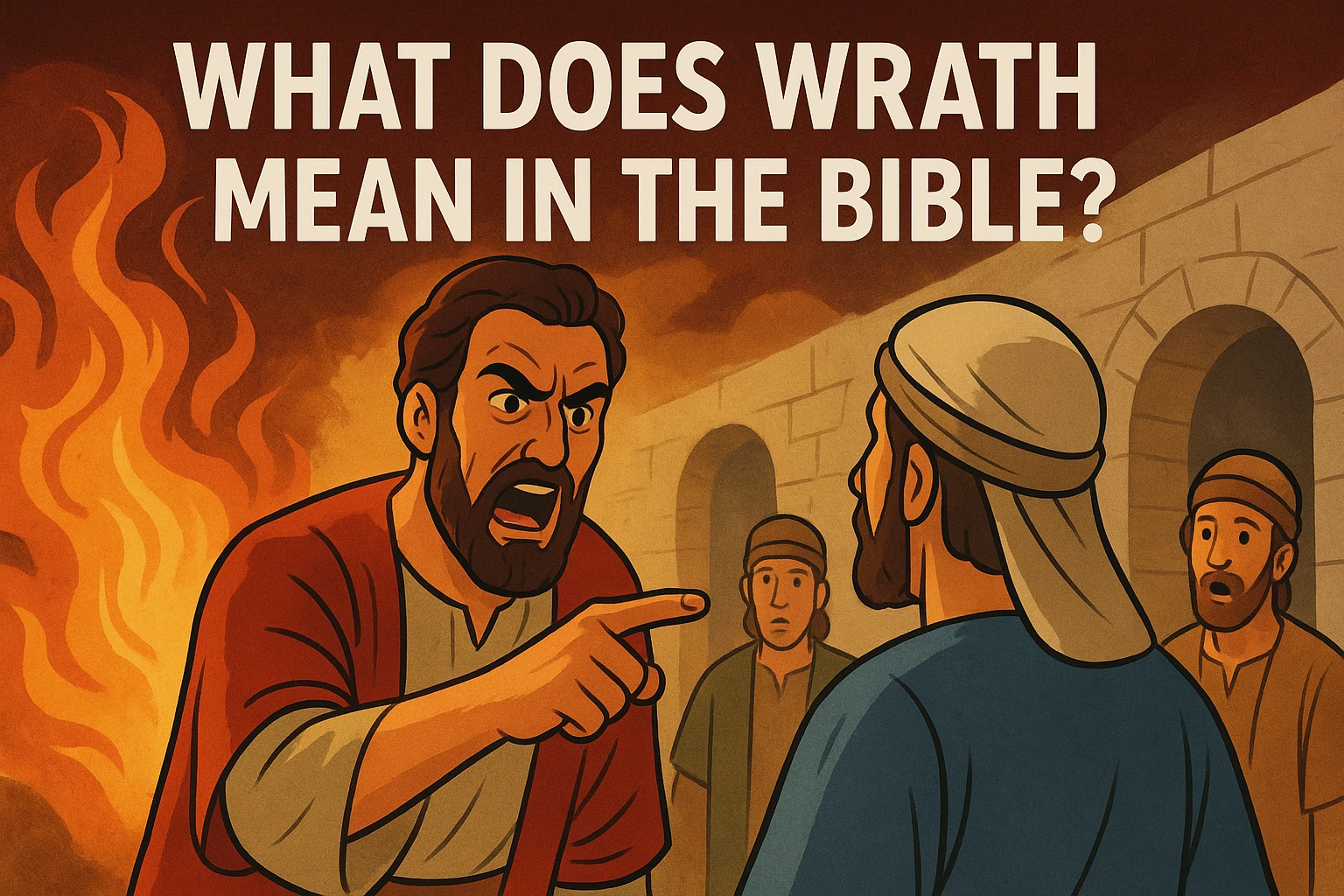
In the Bible, the term “wrath” refers to a strong, passionate response to sin and injustice. It is often portrayed as God’s righteous anger against wrongdoing. This is not a capricious anger but rather a reflection of God’s holiness and justice. Wrath signifies a reaction to the violation of God’s moral order. When we discuss God’s wrath, we must recognize that it is deeply intertwined with His love, mercy, and desire for reconciliation.
Understanding God’s Wrath
God’s wrath is primarily seen as a response to sin. The Bible illustrates that sin disrupts the relationship between humanity and God. Romans 1:18 states, “But God shows his anger from heaven against all sinful, wicked people who suppress the truth by their wickedness.” This passage highlights that God’s wrath is directed toward those who actively reject His truth and choose to live in rebellion against Him.
Righteous Anger vs. Human Anger
It is essential to distinguish between God’s righteous anger and human anger. Human anger can often be selfish and irrational, but God’s wrath is entirely justified. As a holy and just being, God cannot overlook sin. His wrath is a necessary response to maintain His justice and righteousness. In Exodus 34:7, God describes Himself as one who “will not leave the guilty unpunished.” This reinforces the idea that God’s wrath serves a purpose: to uphold justice and encourage repentance.
The Purpose of Wrath
God’s wrath is not arbitrary; it serves a significant purpose in the divine plan. One of the primary reasons for God’s wrath is to bring about repentance. In Romans 2:4, Paul writes, “Don’t you see how wonderfully kind, tolerant, and patient God is with you? Does this mean nothing to you? Can’t you see that his kindness is intended to turn you from
God’s Wrath and Justice
Understanding God’s wrath requires an appreciation for His justice. The Bible presents God as a just judge who cannot let wrongdoing go unpunished. This unwavering commitment to justice is foundational to His character. In Psalm 7:11, it states, “God is a righteous judge, a God who displays his wrath every day.” This highlights that God’s anger is a response to ongoing injustices and the unrepentant heart of humanity. He is not indifferent to the suffering caused by sin; rather, He actively opposes it.
The concept of divine justice also emphasizes that God’s wrath is not merely punitive but restorative. The intention behind His anger is to correct and redeem. For instance, in the story of Jonah, God sends a warning of impending destruction to Nineveh. His desire is not to destroy but to prompt repentance, showing that even in His wrath, there is a pathway to mercy and restoration.
The Relationship Between Wrath and Mercy
One of the most profound aspects of wrath in the Bible is its connection to God’s mercy. While God’s wrath is a response to sin, His mercy provides an avenue for redemption. This duality is beautifully illustrated in the New Testament. In John 3:36, it says, “Whoever believes in the Son has eternal life, but whoever rejects the Son will not see life, for God’s wrath remains on them.” This verse underscores that while God’s wrath is real, it is not the final word; His mercy offers hope and salvation to those who turn to Him.
Examples of God’s Wrath in Scripture
The Bible contains several examples of God’s wrath as a response to sin and disobedience. The story of the Flood in Genesis 6-9 illustrates God’s judgment on a corrupt world. God’s decision to flood the earth was a direct response to the pervasive wickedness of humanity. However, even in this act of judgment, God provided a means of salvation through Noah and the ark, demonstrating His mercy amidst wrath.
Another significant example is found in the account of Sodom and Gomorrah in Genesis 19. The cities were destroyed due to their extreme wickedness, but before the destruction, God allowed Abraham to intercede for the righteous within the cities, again highlighting His desire for mercy.
God’s Wrath in the New Testament
The New Testament continues to address the theme of God’s wrath, particularly in relation to the final judgment. Revelation 20:11-15 describes the great white throne judgment, where the dead are judged according to their deeds. This passage emphasizes that God’s wrath will ultimately be poured out on those who reject Him and persist in sin, affirming the seriousness of His justice.
Moreover, Romans 5:9 states, “Since we have now been justified by his blood, how much more shall we be saved from God’s wrath through him!” This verse illustrates that through Jesus Christ, believers are saved from the impending wrath, showcasing the profound connection between God’s justice and His mercy.
Conclusion
In conclusion, the concept of wrath in the Bible is a complex but essential aspect of understanding God’s character. It is a righteous response to sin and injustice, deeply intertwined with His justice and mercy. While God’s wrath is serious and should not be taken lightly, it also serves as a reminder of His desire for repentance and restoration. Through the lens of Scripture, we see that God’s ultimate aim is not to condemn but to redeem, offering a pathway to salvation through Jesus Christ. As we reflect on this theme, may we recognize the depth of God’s love and the seriousness of His call to righteousness.
For further exploration of God’s nature and the themes of wrath and mercy, you can visit Bible Gateway or Blue Letter Bible.