The Book of Job is one of the most profound and challenging texts in the Bible, exploring the themes of suffering, faith, and divine justice. It presents a narrative that raises essential questions about the nature of God and the reasons behind human suffering. As we delve into its content, we will uncover the layers of meaning within this ancient text and its relevance today.
At its core, the Book of Job addresses the question of why the righteous suffer. Through the story of Job, a wealthy and upright man, the text examines the relationship between suffering and faith, ultimately seeking to understand God’s role in human affliction.
The Story of Job
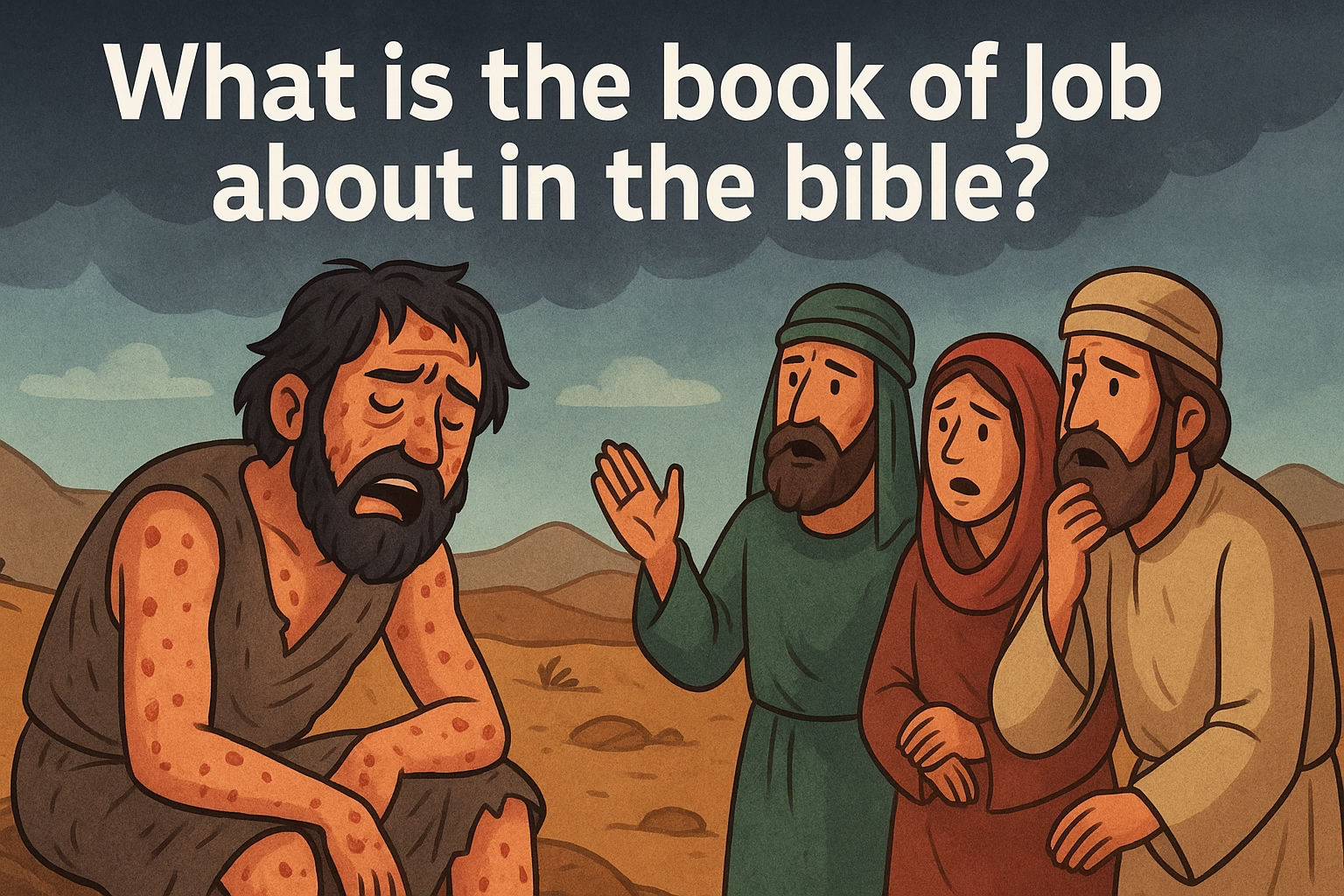
The narrative begins with a description of Job, who is introduced as a man of great integrity, blameless and upright, who fears God and shuns evil (Job 1:1). Job is blessed with a large family, abundant wealth, and a good reputation in his community. However, the story takes a dramatic turn when a heavenly conversation occurs between God and Satan, the Accuser. Satan challenges Job’s faithfulness, suggesting that Job only serves God because he has been blessed with prosperity. To test Job’s faith, God allows Satan to strip Job of his wealth, children, and health.
In rapid succession, Job faces devastating losses: he loses his livestock, his servants, and his ten children in a tragic storm. Despite this suffering, Job responds with remarkable resilience, famously stating, “The Lord gave me what I had, and the Lord has taken it away. Praise the name of the Lord!” (Job 1:21 NLT). His initial reaction exemplifies profound faith, as he mourns yet does not curse God.
The Role of Job’s Friends
As Job grapples with his immense suffering, his three friends—Eliphaz, Bildad, and Zophar—come to comfort him. Initially, they sit in silence with Job, sharing in his grief. However, as the dialogue unfolds, they begin to speak, each offering their perspective on Job’s situation.
Job’s friends argue that suffering is a consequence of sin and wrongdoing. Eliphaz suggests that Job’s suffering must be a punishment for some hidden sin (Job 4:7-8), while Bildad insists that God does not pervert justice (Job 8:3). Zophar even claims that Job’s punishment is less than he deserves (Job 11:6). Their arguments reflect a traditional belief in retributive justice, where good is rewarded and evil is punished. However, Job maintains his innocence and insists that he has not sinned in a way that warrants such suffering.
Job’s Lament and Search for Answers
Throughout the dialogues, Job expresses deep anguish and confusion. He longs for an explanation for his suffering and desires to present his case before God. In his lament, Job poses several poignant questions, such as, “Why did I not perish at birth, and die as I came from the womb?” (Job 3:11 NLT). His cries reflect a deep existential struggle as he navigates feelings of abandonment and despair.
Job’s speeches reveal his unwavering desire for justice. He wishes to confront God directly and plead his case, believing that if he could only understand God’s reasoning, he could find peace. This quest for understanding is a central theme in the book, highlighting the human desire to comprehend suffering and divine will.
The Divine Response
After a lengthy exchange between Job and his friends, the narrative shifts when God finally responds to Job out of a whirlwind (Job 38:1). However, instead of providing direct answers to Job’s questions, God poses a series of rhetorical questions that emphasize His sovereignty and the vastness of creation. For instance, God asks Job, “Where were you when I laid the earth’s foundation?” (Job 38:4 NLT). This response underscores the limitations of human understanding in the face of divine wisdom.
God’s reply serves to remind Job (and the readers) that God’s ways are beyond human comprehension. The focus shifts from the question of why Job suffers to the broader themes of God’s majesty, power, and the complexity of creation. This shift challenges the simplistic view of suffering as merely a punishment for sin and invites deeper reflection on the nature of God’s justice and the mystery of life.
The Restoration of Job
After God’s discourse, Job humbly acknowledges his limitations and repents for questioning God’s wisdom (Job 42:1-6). In a remarkable turn of events, God restores Job’s fortunes, granting him double of what he had before his trials (Job 42:10). Job is blessed with new children, wealth, and a long life, demonstrating God’s grace and mercy.
This restoration raises important questions about the nature of reward and the dynamics of faith. While Job’s situation is unique, it illustrates the belief that faithfulness can lead to restoration and blessing, though not always in the way one might expect. The conclusion of Job’s story emphasizes that, even amidst suffering, one can experience divine presence and grace.
The Theological Implications of Job’s Suffering
The Book of Job challenges traditional views of theology, particularly the notion of retributive justice, where good deeds lead to blessings and sin leads to suffering. Job’s plight raises questions about the justice of God, especially when one considers that Job is depicted as a righteous man. This tension invites readers to contemplate the complexity of divine justice beyond simple cause-and-effect reasoning.
Throughout the dialogues, Job’s friends insist on a direct correlation between sin and suffering, reflecting a widespread belief among ancient peoples. However, Job’s experience contradicts this belief, suggesting that suffering can occur even to the innocent. This challenges the assumption that earthly circumstances are always a direct reflection of one’s moral standing before God.
Furthermore, Job’s story opens up discussions about the nature of God and human suffering. It invites exploration of the concept of a God who is omnipotent and omniscient yet allows suffering to exist. The book suggests that human understanding is limited and that God’s ways may transcend human logic and moral frameworks. This leads to a deeper inquiry into faith, hope, and trust in God amid life’s inexplicable hardships.
The Role of Faith in Suffering
Job’s unwavering faith amidst suffering serves as a profound example for believers. Despite losing everything, he refuses to curse God or abandon his faith. His journey illustrates that true faith is not merely about receiving blessings but also about maintaining trust in God’s goodness, even during trials. Job’s integrity and resilience highlight the importance of a relationship with God that persists through adversity.
Job’s story encourages readers to examine their own faith in the face of challenges. It poses critical questions: How do we respond to suffering? Do we, like Job, seek an understanding of our circumstances, or do we accept the mystery of God’s will? The narrative calls for an exploration of faith that is robust enough to endure hardships and uncertainties.
The Role of Dialogue and Community
The dialogues between Job and his friends serve as a crucial element of the narrative, showcasing the importance of community in times of suffering. Initially, the friends provide comfort through their presence, but as they begin to speak, their attempts to explain Job’s suffering often lead to further pain and misunderstanding. This illustrates a vital lesson about the nature of counsel in the face of grief. Sometimes, silence and empathy are more valuable than attempting to provide answers.
The conversations also reveal the complexity of human relationships when confronted with suffering. Friends may offer well-meaning but misguided advice, leading to a breakdown in communication and trust. This highlights the necessity of approaching those who suffer with humility and compassion, recognizing that not all suffering has clear explanations or solutions.
The Universal Themes of Job
The Book of Job transcends cultural and temporal boundaries, addressing universal themes of suffering, faith, and the search for meaning. Its exploration of profound questions resonates with individuals facing various trials, whether personal loss, illness, or existential crises. The text invites readers to reflect on their own experiences of suffering and the quest for understanding in the face of life’s uncertainties.
Moreover, Job’s story encourages readers to consider the broader implications of suffering in the world. It invites discussions about social justice, empathy, and the responsibility of individuals to care for those who are suffering. The lessons learned from Job’s journey can inspire believers to engage with the world compassionately, fostering a community that supports those in distress.
Job’s Legacy in the Christian Faith
The Book of Job has had a significant impact on Christian theology and practice. It has been referenced throughout history to discuss suffering and divine justice, influencing various theological interpretations. The book’s exploration of faith in adversity has inspired countless individuals facing their own trials, providing comfort and a model for perseverance.
In the New Testament, the themes of suffering and redemption are echoed in the life and teachings of Jesus. Just as Job wrestled with his suffering, Jesus faced His own trials, culminating in His passion and crucifixion. The connection between Job’s experience and Christ’s suffering invites believers to see suffering as a pathway to deeper faith and understanding of God’s grace.
Conclusion: Embracing the Mystery of Suffering
The Book of Job remains a powerful narrative that speaks to the complexities of faith, suffering, and divine justice. It challenges readers to embrace the mystery of life and the divine, recognizing that answers may not always be clear. Instead of seeking definitive explanations for suffering, the book encourages a posture of humility, trust, and faith in God’s ultimate goodness.
As believers reflect on Job’s journey, they are reminded that suffering does not negate God’s presence or love. Instead, it can lead to a deeper understanding of faith, community, and the human condition. The Book of Job invites each reader to engage with its profound questions and to find hope in the midst of life’s uncertainties.
For further insights into the themes of suffering and faith, you may find it helpful to explore the role of suffering in the Christian life and the importance of community support during trials.