
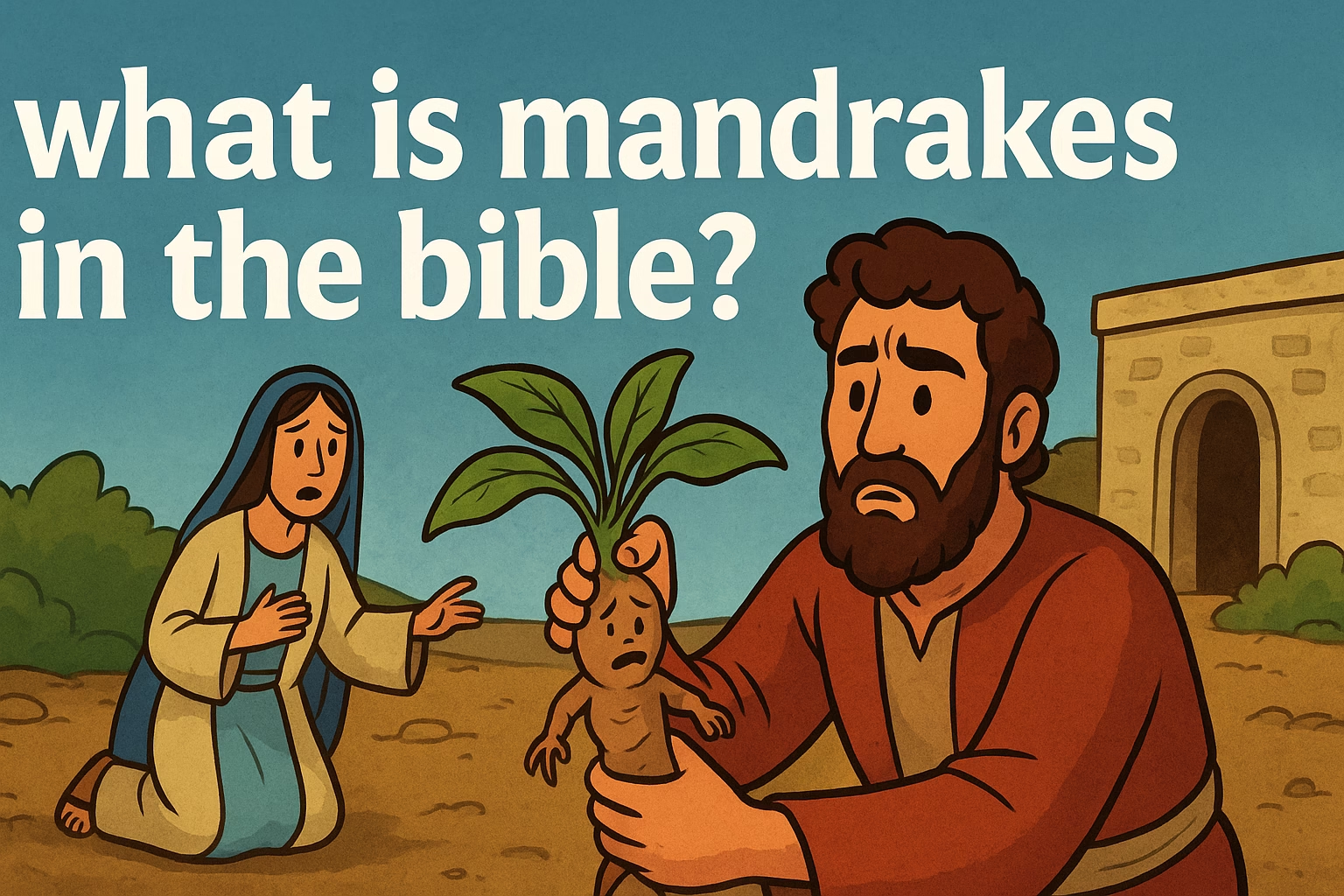
The mention of mandrakes in the Bible sparks curiosity and raises questions about their significance and meaning. This intriguing plant appears in a few key passages, notably in the story of Jacob, Leah, and Rachel. To understand what mandrakes are in the biblical context, we need to explore their appearances in Scripture, their cultural implications, and their symbolic meanings.
Mandrakes, known scientifically as Mandragora, are plants that have long been associated with various folklore and medicinal properties. In the Bible, they are specifically mentioned in Genesis 30:14-16, where they are linked to fertility and desire. Rachel, who was envious of her sister Leah’s ability to bear children, sought the mandrakes that Leah’s son found, believing they could help her conceive. This narrative highlights the plant’s perceived value in ancient times.
Mandrakes in Biblical Context
Mandrakes are first introduced in the story of Jacob’s family. Rachel, Jacob’s favored wife, was struggling with infertility while her sister Leah had already borne several children. The tension between the two sisters is evident, as Rachel’s desire for children leads her to seek out mandrakes, which were believed to have fertility-enhancing properties.
In Genesis 30:14-16, we read about Reuben, Leah’s firstborn, who finds mandrakes in the field. Leah’s response to Rachel’s request for the mandrakes is revealing. She says, “Is it a small matter that you have taken away my husband? Would you take away my son’s mandrakes also?” This exchange illustrates the desperation and rivalry between the sisters, as well as the cultural significance placed on fertility in their society.
Symbolism and Cultural Significance
Mandrakes were not merely plants; they held symbolic meanings and were intertwined with cultural beliefs of the time. In the ancient Near East, fertility was highly coveted, and many women sought various means to enhance their chances of conception. The mandrake plant, with its forked root that resembles a human form, was often associated with fertility and love in folklore.
In addition to their supposed ability to promote fertility, mandrakes were also believed to possess aphrodisiac qualities. This belief is reflected in the phrase “mandrakes give a sweet smell” found in Song of Solomon 7:13. This poetic reference suggests that mandrakes were considered desirable not only for their potential to aid in childbirth but also for their aromatic properties, which were linked to attraction and romance.
Modern Interpretations and Misconceptions
Today, the mention of mandrakes in the Bible often leads to various interpretations and misconceptions. Some modern readers may associate mandrakes with witchcraft or sorcery due to their historical associations with magic and medicinal uses. However, it is essential to distinguish between the cultural practices of ancient peoples and the biblical text’s intent.
The Bible does not endorse the use of mandrakes or any other plant as a magical solution to problems. Instead, the narrative emphasizes the relational dynamics between Rachel and Leah and their reliance on God for children. The mention of mandrakes serves to highlight their desperation rather than promote any mystical belief.
Mandrakes and the Story of Rachel and Leah
The story of Rachel and Leah provides a poignant backdrop for understanding the role of mandrakes. After Leah offers her son’s mandrakes to Rachel in exchange for a night with Jacob, Rachel accepts the trade, hoping to increase her chances of bearing children. This transaction reflects the desperation both women felt and the lengths they were willing to go to fulfill their desires.
In Genesis 30:17-24, we see that after Rachel’s encounter with Jacob, she eventually bears two sons, Joseph and Benjamin. This turn of events illustrates that while mandrakes were sought after, it was ultimately God who opened Rachel’s womb. The narrative reinforces the belief that fertility and family are gifts from God, rather than the result of human efforts or the use of specific plants.
Conclusion of the First Part
In summary, mandrakes in the Bible are more than just a botanical curiosity; they symbolize the deep human longing for children and the complex relationships between the women in Jacob’s life. Their cultural significance, tied to fertility and desire, reveals much about the societal values of the time. Understanding the context of mandrakes helps illuminate the broader themes of family, rivalry, and divine intervention found throughout the biblical narrative.
Further Exploration of Mandrakes in Biblical Texts
To deepen our understanding of mandrakes, we can look beyond the narrative of Rachel and Leah and consider their broader implications within the biblical context. The Bible often uses natural elements to convey spiritual truths and human experiences. Mandrakes serve as a reminder of the intense human emotions surrounding fertility, longing, and rivalry.
In the ancient world, plants like mandrakes were often imbued with mystical qualities, and their usage transcended mere physical properties. The biblical account does not explicitly endorse these beliefs but reflects a cultural backdrop where such plants were sought after for their perceived powers. This invites readers to consider how cultural practices can sometimes influence interpretations of faith and reliance on God.
Mandrakes and Their Folklore
Mandrakes have a rich history in folklore that extends beyond the Bible. They were often depicted in ancient texts as having magical properties, capable of inducing love or enhancing fertility. The root’s resemblance to a human figure further fueled these beliefs, leading to various superstitions about its use.
In some cultures, the uprooting of a mandrake was believed to emit a scream that could kill or drive a person mad, showcasing how deeply intertwined these plants were with myth and fear. Such stories highlight the human tendency to attribute power to nature, often leading to practices that might conflict with biblical teachings. This emphasizes the need to critically evaluate cultural beliefs in light of Scripture.
Comparative Analysis with Other Biblical Plants
Mandrakes can be compared to other plants mentioned in the Bible that symbolize various themes. For example, the olive tree is often associated with peace and prosperity, while the vine is linked to joy and abundance. Each plant carries its own narrative weight and cultural significance, illustrating diverse aspects of life and faith.
Understanding mandrakes alongside other biblical plants can provide a richer perspective on the messages conveyed through nature. While mandrakes symbolize longing and desire, other plants might speak to nourishment, sustenance, or divine blessing. This comparative analysis invites readers to reflect on how God communicates through creation.
Theological Implications of Desperation
The story of Rachel and Leah is deeply theological, as it explores themes of desperation, human effort, and divine sovereignty. Rachel’s longing for children leads her to seek out mandrakes, which illustrates a common human tendency to pursue solutions outside of God’s will. This raises questions about how individuals today seek fulfillment and whether they rely on God or worldly means.
The theological implication is clear: while humans may strive to achieve their desires, it is ultimately God who grants blessings. This principle is reinforced when Rachel finally conceives after her desperate measures with the mandrakes. The narrative teaches that spiritual fulfillment and the blessings of family come through faith and divine intervention rather than through human manipulation or superstition.
Questions for Reflection and Study
As we reflect on the significance of mandrakes in the Bible, several questions arise that can guide personal study or group discussions:
- What does Rachel’s desperation for children reveal about the cultural pressures faced by women in biblical times?
- How do the actions of Rachel and Leah reflect the complexities of human relationships and rivalries?
- In what ways can modern believers relate to the themes of longing and desire found in this story?
- How can we discern between cultural practices and biblical teachings in our own lives?
- What role does faith play in our pursuit of desires, and how can we better align our actions with God’s will?
Conclusion: The Enduring Legacy of Mandrakes
Mandrakes in the Bible serve as a powerful symbol of human longing and the complexities of relationships. They remind us of the cultural context in which biblical narratives were formed and the human experiences that resonate across time. By examining the significance of mandrakes, we gain insights into the themes of desperation, desire, and divine intervention that permeate Scripture.
Ultimately, the story of Rachel and Leah is about more than just a plant; it is a reflection of the human condition and our quest for fulfillment. As we navigate our desires, may we remember that true blessings come from God’s hand and that our reliance on Him is paramount in all aspects of life.
To learn more about biblical plants and their meanings, check out this article on plants in the Bible that explores various aspects of flora in Scripture. Additionally, you can read this piece on the symbolism of fertility in biblical texts for further insights into the themes of desire and family in the Bible.