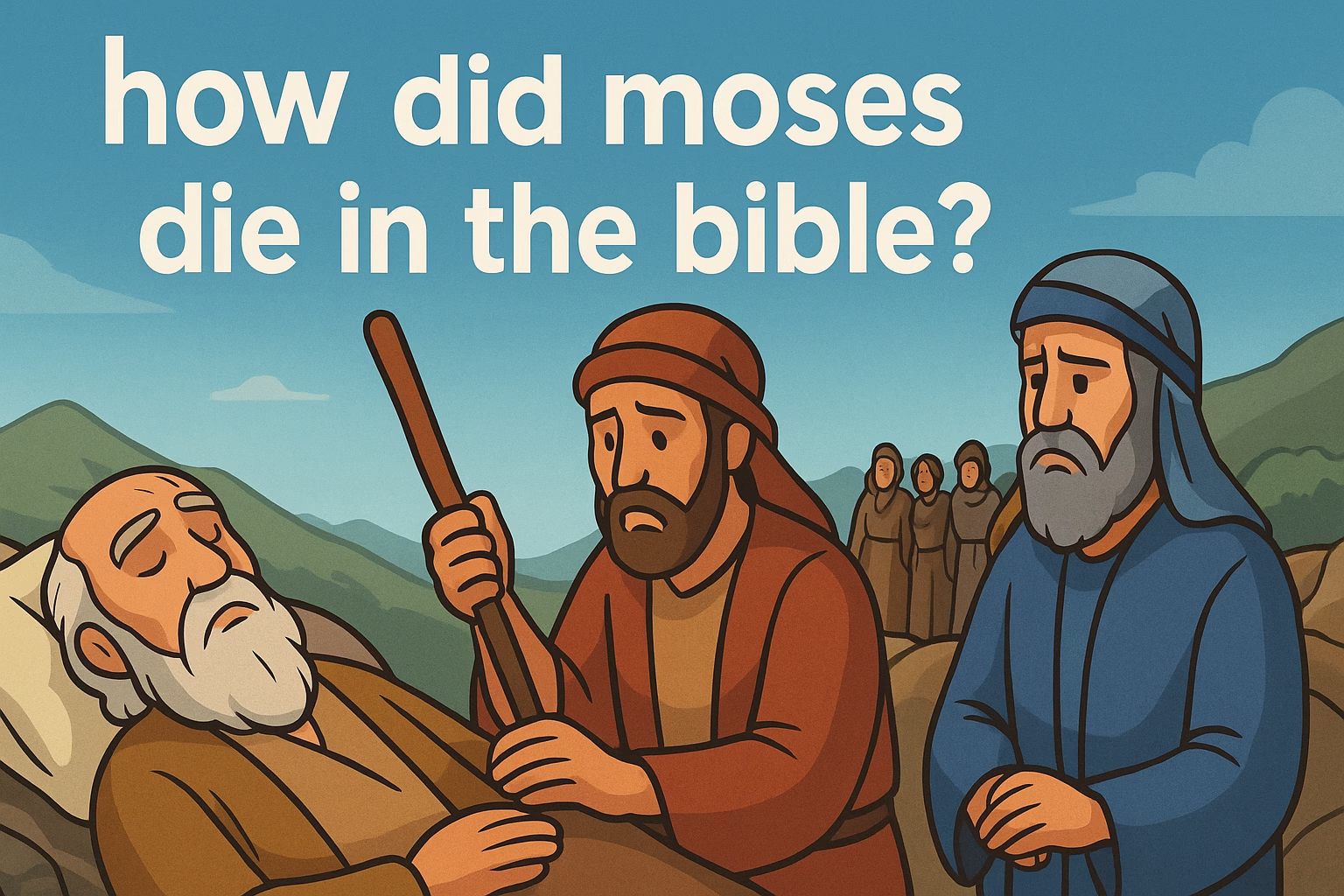
The story of Moses is one of the most significant narratives in the Bible. Known as a prophet, leader, and lawgiver, Moses led the Israelites out of slavery in Egypt and guided them through the wilderness for 40 years. His death, however, is as remarkable as his life. Understanding how Moses died provides insight into his unique relationship with God and the fulfillment of God’s promises.
Moses died under very specific circumstances as described in the Bible. He passed away on Mount Nebo, which is located in the region of Moab, just east of the Promised Land. According to Deuteronomy 34:5-6, Moses died there after viewing the land that he had led the Israelites towards but would never enter himself.
Context of Moses’ Death
The death of Moses is recorded in the final chapter of Deuteronomy. This chapter serves as a conclusion to the Pentateuch, the first five books of the Bible, which detail the creation, the early history of humanity, and the establishment of Israel as a nation. Moses’ death marks the end of an era and the transition to a new phase in the life of the Israelites.
Before his death, Moses had been given a glimpse of the Promised Land from Mount Nebo. In Deuteronomy 34:1-4, it is noted that God showed Moses the land that He had promised to Abraham, Isaac, and Jacob, saying, “I have given this land to your descendants.” This moment is significant because it underscores God’s faithfulness to His promises, even as Moses was not allowed to enter the land himself.
Reasons for Moses’ Death
The Bible provides some context regarding why Moses was not allowed to enter the Promised Land. In Numbers 20:12, God tells Moses that he will not bring the Israelites into the land because of a specific incident at Meribah. There, Moses struck a rock to bring forth water instead of speaking to it as God commanded. This act of disobedience was seen as a failure to uphold God’s holiness in front of the people, which led to the consequence of Moses not entering the land.
“Because you did not trust me enough to demonstrate my holiness to the people of Israel, you will not lead them into the land I am giving them.” (Numbers 20:12, NLT)
The Nature of Moses’ Death
The account of Moses’ death in Deuteronomy 34:5-6 describes it as a unique event. It states that “Moses, the servant of the Lord, died there in the land of Moab, just as the Lord had said.” This phrasing indicates that Moses’ death was not a random occurrence, but rather a divinely ordained event. The passage goes on to say that God Himself buried Moses in an undisclosed location in the land of Moab, and to this day, no one knows where his grave is.
This burial by God is significant. It highlights Moses’ special status as a servant of the Lord. Unlike other biblical figures whose graves are known, the anonymity of Moses’ burial site suggests a level of reverence and mystery surrounding his life and death. Some scholars interpret this as God’s way of protecting Moses’ legacy and ensuring that the focus remains on God’s works rather than on Moses himself.
Moses’ Legacy and Impact
After Moses’ death, his legacy continued through the leadership of Joshua, who took over the mantle of leadership to guide the Israelites into the Promised Land. The transition illustrates how God’s plans and purposes continue even after the death of His chosen servants. Moses is remembered not only for leading the Israelites but also for receiving the Ten Commandments and establishing the covenant between God and His people.
In the New Testament, Moses is frequently referenced as a pivotal figure in understanding the law and prophecy. He serves as a symbol of faithfulness, humility, and obedience to God. For instance, in Hebrews 3:5-6, it is noted that Moses was “faithful as a servant in all God’s house,” which further solidifies his role in biblical history.
Conclusion of Moses’ Life
The circumstances surrounding Moses’ death are deeply entwined with themes of obedience, leadership, and God’s faithfulness. His life and death serve as a reminder of the importance of following God’s commands and the reality of consequences for disobedience. The story of Moses encourages believers to trust in God’s plans, even when they may not fully understand them.
Significance of Mount Nebo
Mount Nebo holds a special place in the narrative of Moses’ life and death. It is not just the location where Moses died; it is also a symbol of hope and promise. From this vantage point, Moses was able to see the land that the Israelites would inherit, a land flowing with milk and honey, as described in Exodus 3:8. This view provided Moses with a sense of closure, affirming that his efforts in leading the Israelites were not in vain, even if he would not set foot in the land himself.
The significance of Mount Nebo extends beyond its geographical location. In biblical tradition, mountains often represent places of divine revelation and encounter. For Moses, it was on a mountain that he received the Ten Commandments, establishing the moral and spiritual foundation for the Israelites. Thus, Moses’ death on Mount Nebo can be seen as a culmination of his life’s work, where he encountered God’s promise one last time before his departure from earthly life.
Divine Communication at Death
The narrative surrounding Moses’ death emphasizes the intimate relationship he had with God. According to Deuteronomy 34:10, “There has never been another prophet in Israel like Moses, whom the Lord knew face to face.” This unique connection highlights the special role Moses played as an intermediary between God and the people of Israel. His death was not merely an end but a transition into the fullness of God’s plans.
In the context of the ancient Near East, the idea of a prophet dying and being buried by God is extraordinary. It suggests that Moses’ life was so intertwined with God’s purpose that even in death, God Himself took responsibility for Moses’ burial. This aspect of the narrative reinforces the notion of divine providence and care, indicating that God’s plans extend beyond human understanding and timelines.
Symbolism in Moses’ Death
Moses’ death also serves as a powerful symbol of transition and hope for the Israelites. His passing marked the end of an era, but it also paved the way for a new beginning under Joshua’s leadership. This transition is reflective of the idea that while one leader may pass, God’s mission and promises continue through others. In this way, Moses’ death can be understood as a reminder to the Israelites—and to believers today—that God’s work is ongoing and that He raises up new leaders to carry forth His plans.
Moreover, Moses’ inability to enter the Promised Land can be interpreted as a reminder of the importance of obedience and faithfulness in the life of a believer. It serves as a warning of the consequences that can arise from disobedience, even for those who have been greatly used by God. This theme resonates throughout the Scriptures, emphasizing the need for continual faith and trust in God’s guidance.
Questions for Reflection
As we reflect on the death of Moses, several questions arise that can deepen our understanding of this significant event:
- What does Moses’ experience teach us about obedience to God and the consequences of our actions?
- How can we apply the lessons from Moses’ life and death in our own spiritual journeys?
- In what ways does the transition from Moses to Joshua illustrate God’s ongoing plan for His people?
- How can we find hope in the face of unfulfilled dreams, as Moses did when he viewed the Promised Land from afar?
These questions encourage believers to consider their own relationship with God and how they respond to His call in their lives. Moses’ story is not just a historical account; it is a living testament to the faithfulness of God and the importance of following His ways.
Final Reflections on Moses’ Legacy
The story of Moses and the circumstances surrounding his death go beyond the narrative of a single individual. They encapsulate themes of leadership, faithfulness, and divine promise that resonate throughout the Bible. Moses is a figure who embodies both the greatness and the frailty of humanity, serving as a reminder that even the most faithful servants of God are subject to His will and authority.
Moses’ life challenges believers to embrace their own roles in God’s story, understanding that while we may face limitations and challenges, God’s purposes remain steadfast. His legacy continues to inspire millions, encouraging them to trust in God’s promises and to lead lives characterized by faith and obedience.
Ultimately, Moses’ death is a poignant reminder that our journeys may not always align with our expectations, but they are part of a larger divine plan that is unfolding in ways we may not fully comprehend.
For more insights into the impact of Moses and his journey, you might find it interesting to read about the significance of the Promised Land and how it shaped the identity of Israel, and the role of leadership in the Bible, especially in the context of transitions and new beginnings.