
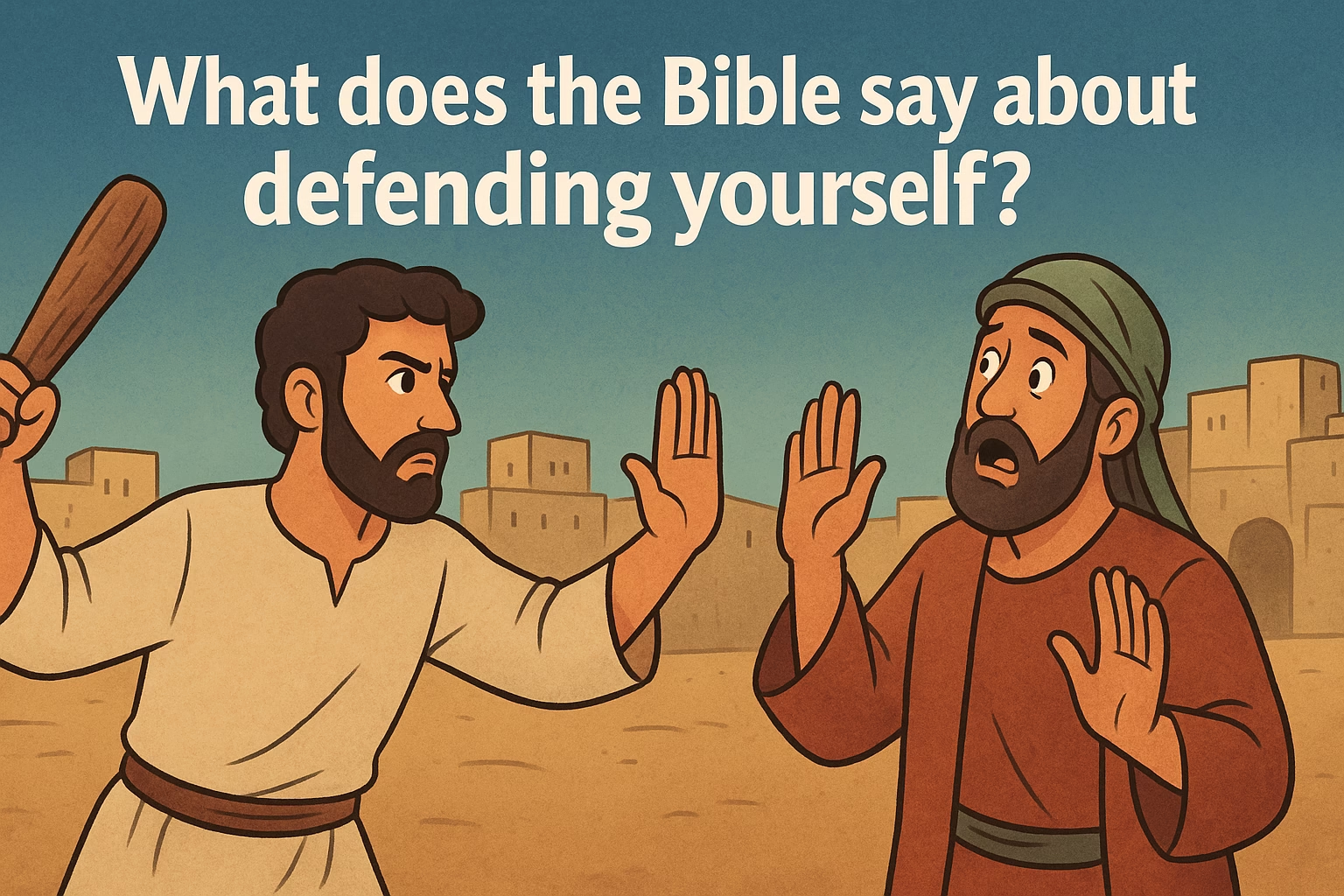
Defending oneself is a topic that often arises in discussions about ethics, morality, and personal safety. Many people wonder what the Bible has to say about this matter, especially in light of its teachings on love, forgiveness, and nonviolence. This article will explore various scriptural passages and principles related to self-defense, providing insight into how Christians can approach the concept of defending themselves.
The Bible does address the concept of self-defense, though it does so in a nuanced way. While it promotes peace and love, it also acknowledges the reality of physical threats and the need to protect oneself and others. Understanding the context of these verses is crucial to discerning their application in modern life.
Old Testament Perspectives on Self-Defense
The Old Testament provides several accounts and laws that touch on the concept of self-defense. One of the key passages is found in Exodus 22:2-3, which states, “If a thief is caught breaking in at night and is struck a fatal blow, the defender is not guilty of bloodshed; but if it happens after sunrise, the defender is guilty of bloodshed.” This law indicates that there is a distinction between defending oneself against an immediate threat and using excessive force.
This passage suggests that self-defense is permissible, particularly when one’s life is in danger. However, it also implies that the response should be proportional to the threat. The expectation is that individuals should act to protect themselves but also exercise wisdom and restraint.
Jesus’ Teachings on Violence and Defense
In the New Testament, Jesus emphasizes love and nonviolence in many of His teachings. For example, in Matthew 5:39, He instructs, “But I tell you, do not resist an evil person. If anyone slaps you on the right cheek, turn to them the other cheek also.” This verse is often interpreted as a call to avoid retaliation and to respond to aggression with grace.
However, understanding this teaching in context is important. Jesus was addressing personal insults and the attitude of the heart rather than advocating for passivity in the face of physical danger. His teachings encourage a spirit of humility and forgiveness, but they do not negate the necessity of self-defense when one’s life or the lives of others are at risk.
Examples of Self-Defense in Scripture
Throughout the Bible, there are instances where individuals acted in self-defense or protection of others. For instance, King David, before he became king, defended himself against Saul’s attempts to kill him. He fled and took measures to protect himself, demonstrating that self-preservation is a natural instinct.
Another example can be found in Nehemiah 4:14, where Nehemiah encourages the people to defend themselves while rebuilding the walls of Jerusalem. He says, “Don’t be afraid of the enemy! Remember the Lord, who is great and glorious, and fight for your brothers, your sons, your daughters, your wives, and your homes.” This indicates that there are times when defense is necessary, especially when protecting one’s family and community.
The Principle of Loving Your Neighbor
The Bible teaches the importance of loving one’s neighbor (Matthew 22:39). This principle can extend to defending others as well. If someone witnesses an act of violence or aggression, there may be a moral obligation to intervene. This is particularly true when it comes to protecting vulnerable individuals, such as children or the elderly.
In this context, self-defense may not only be about protecting oneself but also about standing up for others. The act of defending can be seen as an expression of love and care for one’s neighbor, provided it is done with the right intentions and in a responsible manner.
Balancing Self-Defense with Forgiveness
One of the challenges in discussing self-defense from a biblical perspective is balancing the call to protect oneself with the command to forgive. In Romans 12:19, Paul writes, “Do not take revenge, my dear friends, but leave room for God’s wrath, for it is written: ‘It is mine to avenge; I will repay,’ says the Lord.” This verse emphasizes that vengeance belongs to God and encourages believers to respond to wrongdoing with grace rather than retaliation.
This does not mean that individuals should allow themselves to be harmed without taking action. Rather, it suggests that the heart behind one’s response is crucial. A believer’s motivation should be to protect and preserve life rather than to seek revenge or escalate violence.
Practical Considerations for Christians
When considering self-defense, Christians are encouraged to approach the topic with prayer and discernment. Here are some practical considerations:
- Evaluate the situation: Assess whether the threat is immediate and significant enough to warrant self-defense.
- Seek peaceful resolutions: Whenever possible, pursue nonviolent solutions or de-escalation tactics before resorting to physical defense.
- Consider the impact on others: Think about how your actions might affect not only yourself but also your family and community.
- Stay informed: Understand the laws regarding self-defense in your area, as they can vary widely and impact your response.
Ultimately, the Bible provides guidance on self-defense, emphasizing the importance of protecting oneself and others while maintaining a heart of love and forgiveness. Understanding the context of scripture is vital in navigating this complex issue.
New Testament Perspectives on Self-Defense
In addition to Jesus’ teachings, the New Testament provides further context on defending oneself. For example, in Luke 22:36, Jesus tells His disciples, “If you don’t have a sword, sell your cloak and buy one.” This statement indicates that Jesus recognized the need for self-defense in certain situations. While the sword was a tool of the time, this metaphor can also represent the broader necessity of being prepared to protect oneself when facing danger.
However, it is crucial to interpret this instruction within the larger narrative of Jesus’ mission. He also emphasizes peace and reconciliation. The sword here is not a call to violence, but rather an acknowledgment that the world can be hostile and that believers must be wise and prepared. The emphasis is on discernment regarding when to act and how to respond.
The Role of Authority and Protection
The Bible also addresses the role of governing authorities in matters of protection and justice. Romans 13:1-4 teaches that governments are instituted by God to maintain order and protect citizens. This means that Christians are called to respect laws that aim to create a safe environment. In this context, self-defense can also encompass calling upon authorities when faced with danger.
Understanding that God has ordained structures of authority helps believers navigate situations where personal safety is at risk. It suggests that while self-defense is permissible, there are also responsibilities to seek help and rely on lawful means of protection. This duality emphasizes that Christians are not lone warriors but part of a community and societal framework.
Self-Defense and the Call to Peace
Balancing the need for self-defense with the biblical call to peace is a complex issue. In Matthew 5:9, Jesus states, “Blessed are the peacemakers, for they will be called children of God.” This beatitude encourages believers to actively seek peace rather than contribute to conflict. While defending oneself is sometimes necessary, Christians must also strive to be peacemakers in their communities.
This means that even in situations where self-defense is warranted, the goal should always be the restoration of peace. Engaging in self-defense should not come from a desire to escalate violence but should be a last resort to protect life and promote safety. The heart of a peacemaker seeks resolution and understanding, even in difficult circumstances.
Wisdom and Discernment in Self-Defense
Proverbs is rich with wisdom about making sound decisions, including those concerning self-defense. Proverbs 4:7 states, “The beginning of wisdom is this: Get wisdom. Though it cost all you have, get understanding.” This verse highlights the importance of seeking wisdom in every aspect of life, including how to respond to threats.
Christians are encouraged to consider their options carefully. Self-defense should not be an impulsive reaction but a thoughtful and measured response. Engaging in discussions, seeking counsel from trusted leaders, and praying for guidance can help believers discern the best course of action when faced with potential harm.
Questions for Reflection
As Christians navigate the topic of self-defense, there are several important questions to consider:
- What does it mean to love your neighbor in the context of self-defense?
- How do you balance the call to be a peacemaker with the need to protect yourself or others?
- In what situations might it be appropriate to seek help from authorities rather than take matters into your own hands?
- How can you prepare yourself spiritually and practically for situations that may require self-defense?
Reflecting on these questions can provide deeper insight into how to apply biblical principles to real-life situations concerning self-defense.
Conclusion: A Holistic Approach to Self-Defense
In conclusion, the Bible presents a multifaceted view of self-defense that encompasses love, wisdom, and the pursuit of peace. While it is clear that defending oneself and others is permissible, it is essential to approach the situation with a heart aligned with God’s principles. Christians are called to protect life, seek justice, and uphold peace, all while being mindful of their motivations and actions. Understanding the context of Scripture helps believers navigate the complexities of self-defense in a way that honors God and reflects His love for humanity.
For more insights on the topic of self-defense and its implications in a Christian context, you can explore this article on the biblical principles of self-defense and this discussion about peacemaking in difficult situations.