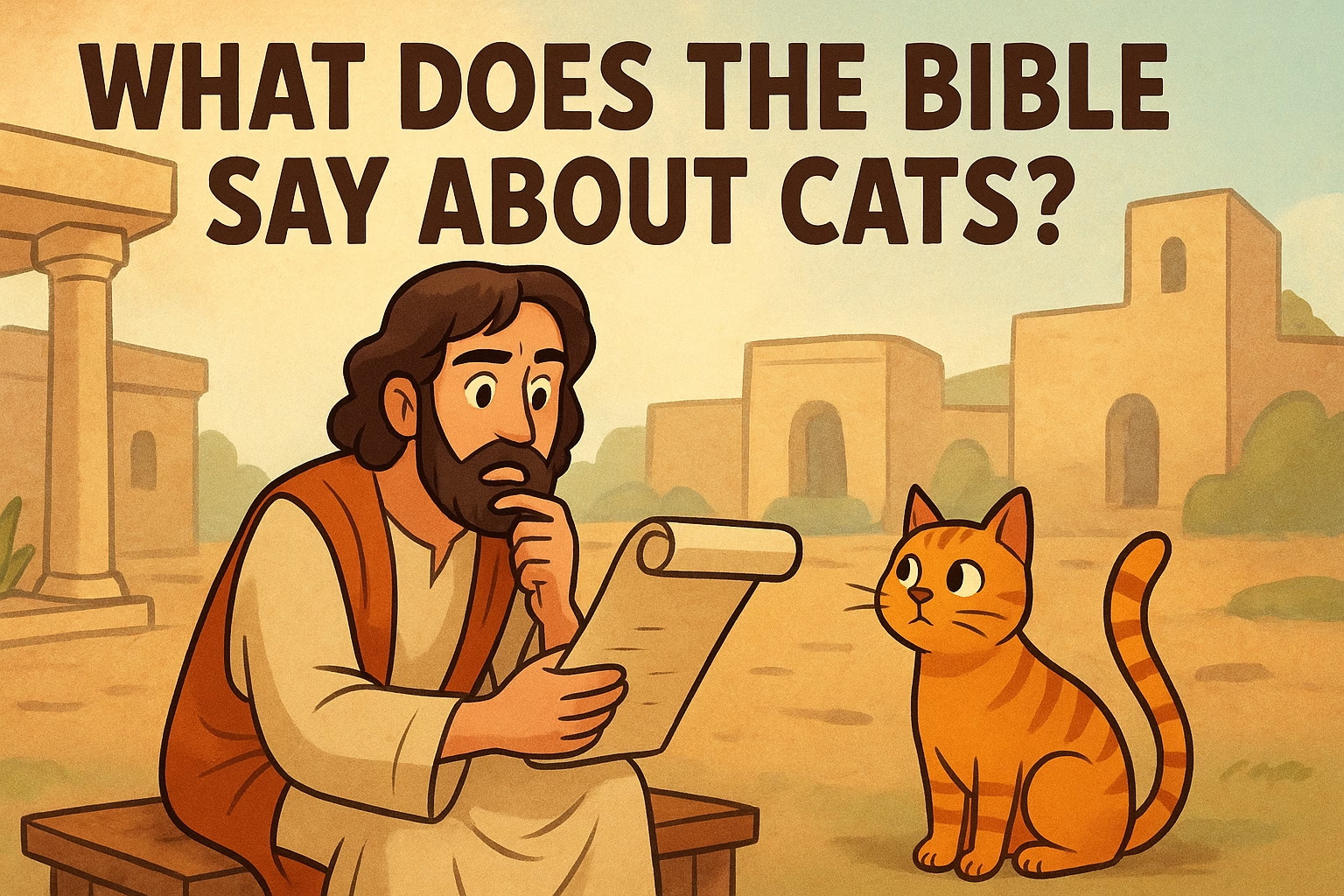
The question of what the Bible says about cats is an intriguing one for many pet lovers and Christians alike. While the Bible does not explicitly mention cats, it does provide insights into animals, their roles in creation, and the relationship between humans and creatures. This article will explore the biblical context regarding animals in general and delve into any references that might pertain to cats.
Although there are no direct mentions of cats in the Bible, we can draw some conclusions about their significance and place in the world through broader biblical themes and passages. In examining the Scriptures, we can see how animals are viewed in God’s creation and how they relate to humanity.
The Role of Animals in Creation
In the book of Genesis, we find the account of creation, where God creates the world and everything in it. On the sixth day, God created mankind and gave them dominion over the earth and all living things (Genesis 1:26-28). This includes all animals, which would encompass various species, potentially including cats.
Genesis 1:24-25 states, “Then God said, ‘Let the earth produce living creatures according to their kinds: livestock, creatures that crawl, and wildlife of the earth according to their kinds.’ And it was so. God made the wildlife of the earth according to their kinds, the livestock according to their kinds, and all the creatures that crawl on the ground according to their kinds. And God saw that it was good.” This passage emphasizes that all creatures, regardless of their specific types, are created by God and deemed good.
The Importance of Animals in Scripture
The Bible mentions various animals throughout its text, often highlighting their significance in the lives of people. For example, sheep, goats, and horses are frequently referenced due to their importance in agriculture and daily life in biblical times. While cats are not specifically named, their absence in the text does not diminish their value in the context of creation.
In the book of Proverbs, we see a general appreciation for animals. Proverbs 12:10 states, “A righteous person cares for the needs of his animal.” This verse suggests that caring for animals is a reflection of a person’s character and moral standing. If we apply this principle to cats, it indicates that they, like all animals, deserve care and compassion from their human companions.
Cats in Ancient Cultures
While the Bible does not mention cats, we know from historical texts that cats were significant in ancient cultures, particularly in Egypt. Cats were revered and often associated with protection and fertility. This cultural backdrop might explain their absence in biblical texts, as the Bible often focuses on the Israelites’ relationship with God and their surrounding neighbors.
In ancient Egypt, cats were often worshipped and seen as sacred animals. The goddess Bastet, depicted as a lioness or domestic cat, was associated with home, fertility, and domesticity. This reverence for cats may provide some insight into why they are not specifically mentioned in the Bible; the biblical narrative primarily focuses on the people of Israel and their covenant with God, often excluding references to other cultures’ practices.
The Symbolism of Animals in the Bible
While cats are not specifically mentioned, the Bible uses various animals symbolically throughout its texts. For instance, sheep are often used to represent God’s people, and lions are associated with strength and courage. Understanding the symbolic nature of animals in the Bible can help us appreciate the broader themes of God’s creation and His relationship with all living beings.
The symbolism often extends to the behaviors and characteristics attributed to animals. For example, Proverbs 30:29-31 highlights creatures that exhibit strength and leadership, such as the lion and the rooster. While these verses do not include cats, they illustrate the diverse ways animals are portrayed and the lessons that can be drawn from their characteristics.
The Care and Stewardship of Animals
As stewards of God’s creation, humans are called to care for and protect animals. This concept stems from the dominion given to humanity in Genesis. The responsibility to care for animals, including cats, is echoed throughout Scripture. In the New Testament, we find Jesus speaking about God’s care for all His creations, as seen in Matthew 10:29, where He says, “Aren’t two sparrows sold for a penny? Yet not one of them falls to the ground without your Father’s consent.” This illustrates God’s intimate knowledge and care for even the smallest creatures.
Furthermore, the Bible encourages kindness and compassion toward animals. This can be seen in the commandment to rest on the Sabbath, which includes allowing animals to rest (Exodus 20:10). Such principles reflect God’s concern for the well-being of all His creations, including pets like cats.
Conclusion
While the Bible does not mention cats directly, it offers a wealth of information regarding the role of animals in creation, the importance of stewardship, and the general principles of kindness and care. Understanding these themes can help cat owners and animal lovers appreciate their pets’ place within God’s creation. In the next part of this article, we will further explore the implications of these biblical principles and how they can guide our treatment of cats and other animals.
Understanding the Nature of Cats Through Biblical Themes
To further explore what the Bible might imply about cats, we can consider the characteristics of cats and how they relate to the broader themes found in Scripture. Cats are often perceived as independent, curious, and sometimes aloof, which can reflect certain biblical principles about the nature of creation and the relationship between God and humanity.
In the Bible, humanity is portrayed as having a unique relationship with God, characterized by both dependence and autonomy. Similarly, cats can be seen as creatures that maintain a level of independence, suggesting that God has created a diverse range of animals with different traits and behaviors. This variety showcases God’s creativity and the complexity of His creation.
Lessons from Animal Behavior
The Bible often uses animal behavior to teach moral and spiritual lessons. While cats are not specifically mentioned, their behaviors can still provide valuable insights. For example, the way a cat interacts with its environment can remind us of the importance of being observant and aware of our surroundings, much like the wisdom found in Proverbs. Proverbs 6:6-8 encourages people to consider the ant’s diligence. Cats, like ants, exhibit unique behaviors that can inspire us to reflect on our own actions and responsibilities.
Symbolism of Independence
Independence is a hallmark trait of cats. In the biblical narrative, independence is often portrayed as a double-edged sword. For instance, the Israelites often struggled with their independence from God, leading to times of rebellion and separation. This theme can be applied to the nature of cats; while they embody independence, they also rely on their owners for care and companionship. This relationship can serve as a metaphor for our dependence on God while also valuing the freedom He grants us.
Animals as a Reflection of God’s Creation
The Bible teaches that all creation reflects God’s glory. Psalm 104 beautifully describes the wonders of the natural world and how God provides for all creatures. While cats are not mentioned, their presence in our lives can remind us of God’s creative power and the intricate beauty of His design. Recognizing the value of all animals, including cats, can deepen our appreciation for the diversity of life God has created.
The Spiritual Connection with Pets
Having a cat can foster a unique spiritual connection. Many pet owners describe their bond with their cats as deeply fulfilling, providing comfort and companionship. This relationship can serve as a reminder of God’s love and care for us. Just as we care for our pets, God cares for His creation. In 1 Peter 5:7, we are encouraged to cast all our anxieties on God because He cares for us. This principle can extend to our interactions with animals, emphasizing the importance of love and care.
Compassion and Kindness: A Biblical Mandate
The call to show compassion extends beyond humans to all of God’s creatures. Throughout the Bible, there are repeated themes of kindness, mercy, and stewardship. For instance, in Proverbs 27:23, we are reminded to know the state of our flocks and herds, which can be interpreted as a broader principle of being attentive to the needs of animals in our care. This reinforces the idea that caring for cats, and other pets, is not just a matter of personal choice but a reflection of our character and faith.
Final Reflections on Cats and Biblical Principles
Although the Bible does not directly address cats, the underlying principles found in Scripture regarding creation, stewardship, and compassion can help us understand their significance in our lives. Cats, like all creatures, are part of God’s creation and deserve to be treated with kindness and respect. The absence of cats in biblical texts does not diminish their value; rather, it invites us to reflect on our relationship with all animals and our responsibility to care for them.
As we consider the role of cats in our lives, let us remember that they are part of God’s diverse creation, and we are called to be good stewards of all living beings. By embodying principles of love, care, and compassion, we can honor God through our relationship with our feline friends.
To learn more about the biblical principles of caring for animals and the role of pets in our lives, check out these articles: exploring biblical stewardship and understanding the importance of compassion.