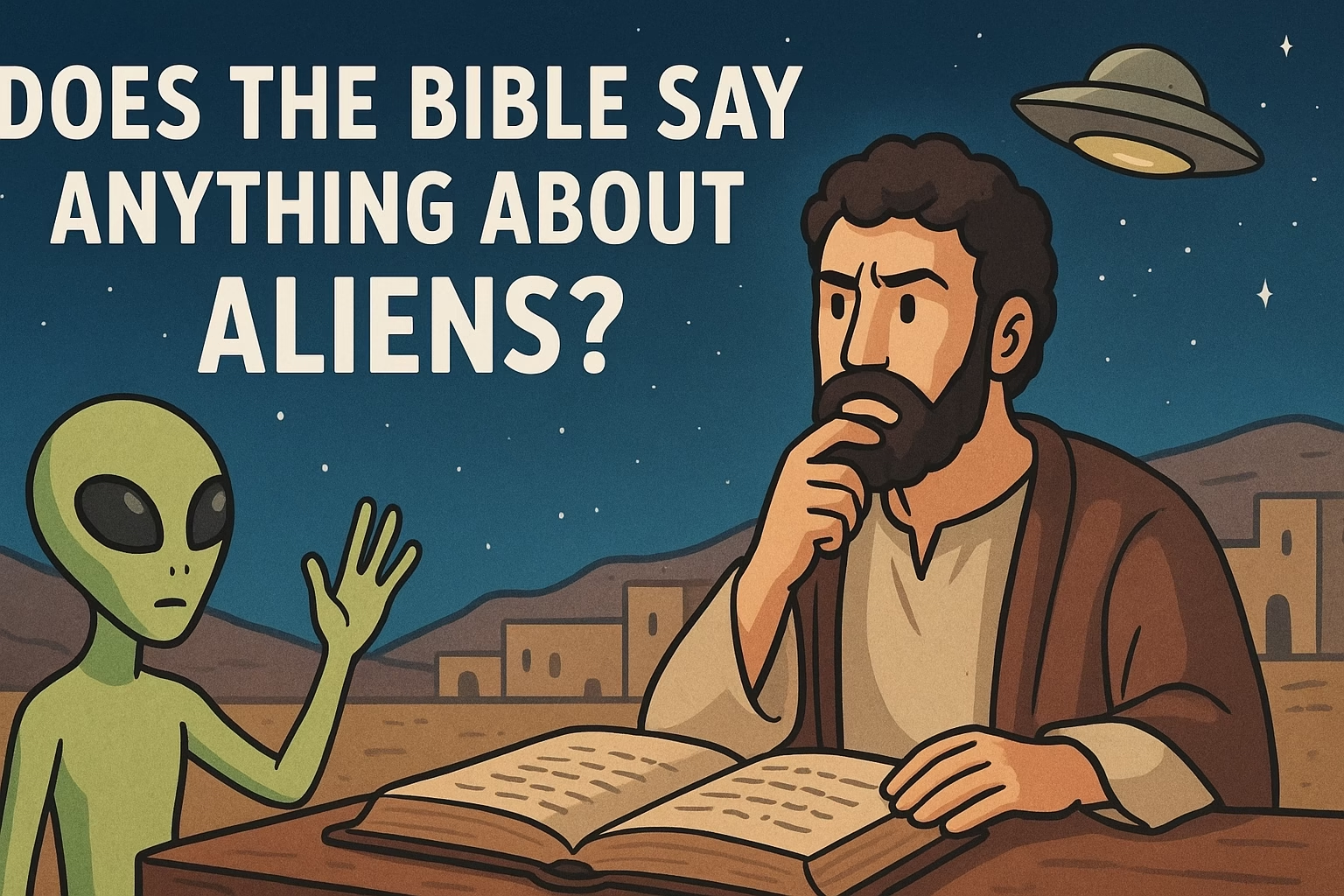
The question of whether the Bible mentions aliens or extraterrestrial life has intrigued many believers and skeptics alike. With the vastness of the universe and the increasing number of discoveries in astronomy, the idea of life beyond Earth has gained significant attention. This article explores what the Bible says about the possibility of aliens, considering various passages and interpretations.
While the Bible does not explicitly mention extraterrestrial beings or life forms as we define them today, it does contain references that some interpret as related to the idea of aliens. However, these interpretations are often speculative and depend on context. Let’s delve into the relevant biblical passages and how they may relate to the concept of aliens.
Creation and the Cosmos
The Scope of God’s Creation
The Bible begins with the foundational statement of God’s creation in Genesis 1:1, which states, “In the beginning, God created the heavens and the earth.” This verse establishes that God is the creator of everything, including all celestial bodies. The term “heavens” can be interpreted to include not only the sky and stars but also the broader cosmos. From a biblical perspective, this suggests that God’s creation is vast and possibly includes more than just life on Earth.
Psalm 19 and the Heavens’ Declaration
Psalm 19:1 says, “The heavens declare the glory of God; the skies proclaim the work of his hands.” This passage emphasizes the glory of God as expressed through creation. While it does not mention alien life, it suggests that the universe is a testimony to God’s power and creativity. This could imply that if there are other forms of life in the universe, they too would reflect God’s glory in their own way.
Angels and Spiritual Beings
The Nature of Angels
The Bible frequently mentions angels, which are spiritual beings created by God. They serve various roles, such as messengers and protectors. For instance, in Hebrews 1:14, it is noted that angels are “ministering spirits sent to serve those who will inherit salvation.” While angels are not alien in the traditional sense, they are non-human entities that exist in a different realm. This raises the question of whether the Bible distinguishes between different types of beings beyond human understanding.
Otherworldly Beings in Scripture
Some passages describe unusual creatures or beings that could be interpreted as otherworldly. For example, in Ezekiel 1, the prophet describes a vision of living creatures with multiple faces and wings. These descriptions are often understood as symbolic but could lead to speculation about the existence of other forms of life. However, biblical scholars typically interpret these visions as representations of God’s majesty and power rather than literal depictions of extraterrestrial beings.
Speculative Interpretations and Theories
UFOs and Modern Interpretations
In recent years, some have attempted to connect biblical texts with modern concepts of UFOs and aliens. For instance, the Nephilim mentioned in Genesis 6:1-4 have been a focal point for those proposing that these beings were the offspring of “the sons of God” and “the daughters of humans.” Some interpret this as a reference to extraterrestrial beings interacting with humanity. However, this interpretation is widely debated and often dismissed by mainstream biblical scholarship, which views the Nephilim as a mythological or symbolic narrative rather than a literal account of alien beings.
Tradition vs. Scripture
It’s important to distinguish between what the Bible explicitly states and what has been inferred or speculated by various traditions. Many interpretations regarding aliens stem from cultural narratives rather than direct biblical teaching. The Bible focuses primarily on God’s relationship with humanity and His plan for salvation through Jesus Christ, rather than providing details about potential extraterrestrial life.
Theological Implications of Extraterrestrial Life
God’s Sovereignty
If extraterrestrial life were to exist, it would not diminish the sovereignty of God. The Bible emphasizes that God is the creator of all things and has a plan for His creation. Colossians 1:16-17 states, “For in him all things were created: things in heaven and on earth, visible and invisible.” This could imply that any beings, whether human or not, are part of God’s creation and under His authority.
The Gospel and Other Beings
Another theological question arises: if aliens exist, would they also need salvation? The Bible teaches that Jesus’ sacrifice was for humanity. Some theologians suggest that if intelligent life exists elsewhere, it would require a different revelation of God’s grace. However, these discussions remain speculative and outside the explicit teaching of Scripture.
Conclusion
While the Bible does not provide direct evidence or clear teachings about aliens or extraterrestrial beings, it does lay the groundwork for understanding the vastness of God’s creation. The exploration of this topic often leads to more questions than answers, reminding us of the mystery of God’s plans and purposes. As we continue to seek understanding, it is essential to ground our beliefs in Scripture while remaining open to the possibilities of God’s creative power beyond what we can see.
The Bible and the Concept of Life Beyond Earth
While the Bible does not explicitly mention extraterrestrial beings, it opens the door for contemplation about life beyond Earth through its overarching themes. The Scriptures focus on God’s relationship with humanity, but they also present a God who is infinitely creative and powerful. This leads to intriguing questions about the potential existence of other life forms and how they might fit into the biblical narrative.
Interpreting the Universe
When considering the possibility of life elsewhere in the universe, it is important to reflect on the nature of God as the Creator. The Bible states that God created “the heavens” and the “earth,” implying a comprehensive act of creation that could encompass more than just our planet. The vastness of space, with its billions of galaxies, suggests that God’s creative work may extend far beyond human comprehension. This prompts questions about how life, if it exists elsewhere, would relate to God’s plan.
Moreover, the Bible often uses metaphorical language to describe the universe. For example, in Isaiah 40:26, it mentions that God knows each star by name. This poetic imagery highlights God’s intimate involvement with creation, suggesting that if extraterrestrial life exists, it is still under God’s watchful care.
Humanity’s Unique Role
Despite the intriguing possibilities of other life forms, the Bible emphasizes humanity’s unique role in God’s creation. Genesis 1:26-27 states that humans are made in God’s image, which sets them apart from all other creations. This unique status raises further questions: If intelligent life exists elsewhere, would they also be made in God’s image? Would they have a similar relationship with God as humans do?
Faith and Speculation
Many Christians approach the question of extraterrestrial life with caution, recognizing that speculation can lead to confusion. The Bible does not provide concrete answers regarding aliens, but it does encourage believers to focus on the relationship between God and humanity. This emphasis on faith over speculation is crucial, as it grounds believers in the truth of Scripture rather than in unverified theories.
The Nature of Creation and Other Beings
Symbolism vs. Literal Interpretation
As mentioned earlier, some biblical passages describe unusual beings or creatures that could be interpreted as otherworldly. It is essential to recognize that many of these descriptions, such as those found in Ezekiel’s visions, are often symbolic. They serve to convey a deeper spiritual truth rather than providing a literal account of extraterrestrial beings. Understanding the literary context of these passages can help prevent misinterpretations that lead to unfounded conclusions about alien life.
God’s Plan for Creation
The Bible consistently emphasizes God’s redemptive plan for humanity through Jesus Christ. This raises an important question: If other intelligent beings exist, would they also require redemption? The Bible does not offer explicit answers, but it challenges believers to consider the implications of God’s grace and mercy extending beyond Earth. Such discussions can lead to enriching conversations about God’s character and His love for all of creation.
Philosophical Implications of Extraterrestrial Life
Existential Questions
The exploration of extraterrestrial life also touches on existential questions about what it means to be human. If life exists elsewhere, how does that affect our understanding of ourselves and our place in the universe? The Bible teaches that humanity has a special purpose, and contemplating the existence of other beings may lead to a deeper appreciation of God’s creative power and His plans for all creation.
Science and Faith
The relationship between science and faith often plays a crucial role in discussions about aliens. Many Christians believe that scientific discoveries about the universe, including the search for extraterrestrial life, can coexist with faith in God. The pursuit of knowledge can enhance understanding of God’s creation, leading to a greater appreciation of His majesty and the complexity of the universe.
Conclusion: Embracing Mystery and Wonder
In conclusion, while the Bible does not provide explicit references to aliens or extraterrestrial life, it invites believers to ponder the vastness of creation and the nature of God. The themes of redemption, God’s sovereignty, and humanity’s unique role serve as a foundation for understanding our place in the universe. As believers engage with these questions, it is essential to remain grounded in Scripture, embracing both the mystery of God’s creation and the wonder of His infinite possibilities. Ultimately, the inquiry into life beyond Earth can deepen faith, inspire awe, and remind us of the greatness of our Creator.
For more insights on how the Bible relates to the universe and life beyond Earth, you can explore this article on the nature of creation and this piece discussing the relationship between science and faith.