
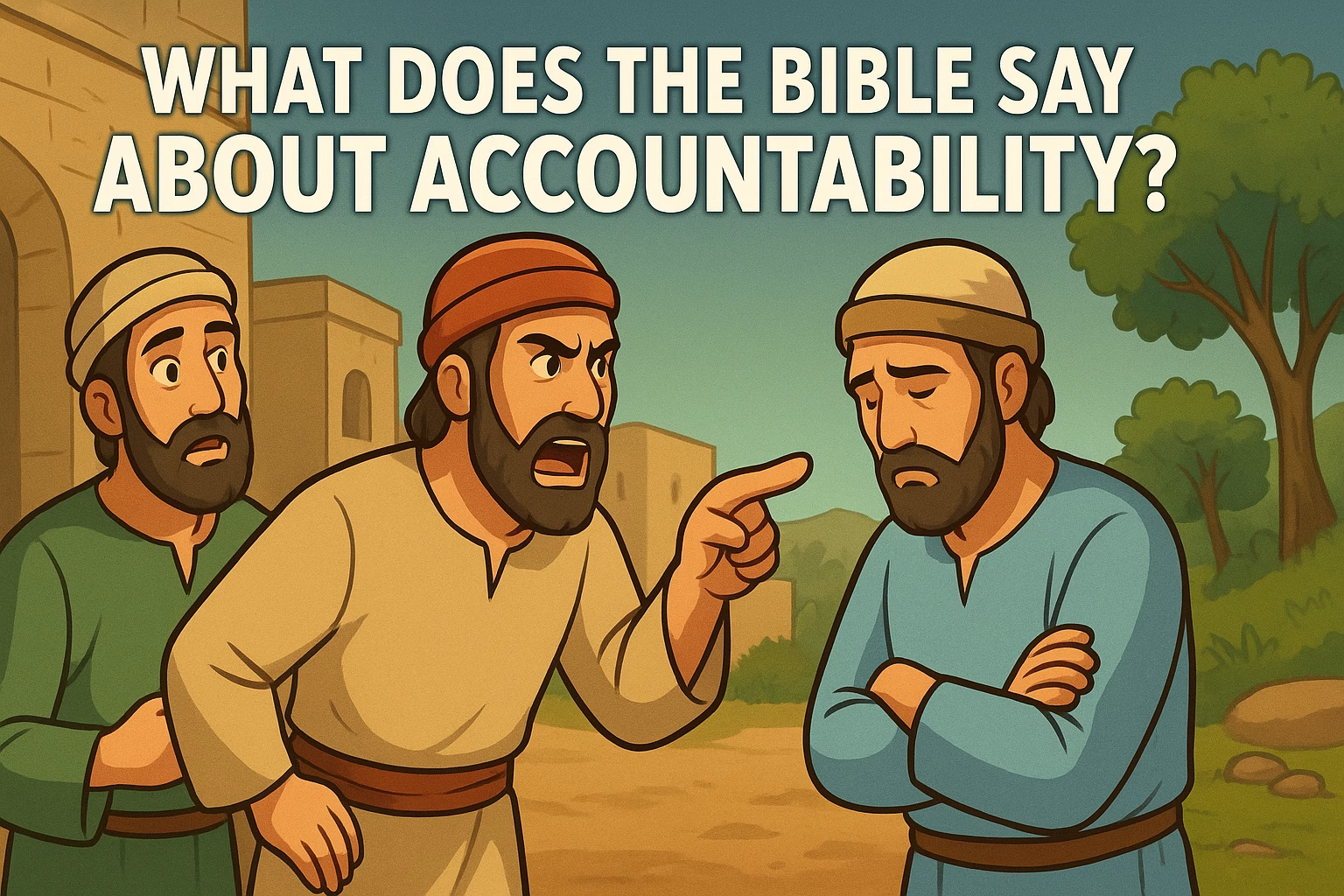
Accountability is a significant theme throughout the Bible, emphasizing the importance of responsibility toward God, oneself, and others. Whether in the context of personal conduct, community relationships, or spiritual growth, Scripture provides guidance on how we are to hold ourselves and each other accountable. This article explores what the Bible says about accountability, drawing upon various passages and teachings.
At its core, accountability in the Bible involves recognizing that we are answerable to God for our actions. This concept can be traced through both the Old and New Testaments, highlighting the necessity of living a life that reflects our commitment to God and His commandments.
Accountability to God
The foundation of accountability is our relationship with God. In Romans 14:12, Paul writes, “Yes, each of us will give a personal account to God.” This verse highlights that ultimately, we are responsible for our actions before God. The awareness of this accountability should encourage us to live righteously and make choices that align with His will.
In the Old Testament, we see examples of accountability in the lives of figures like Adam and Eve, who faced consequences for their disobedience in the Garden of Eden. Their failure to take accountability led to significant repercussions, illustrating that our choices carry weight and affect our relationship with God.
Accountability in Community
The Bible also emphasizes the importance of accountability within the community of believers. In Galatians 6:1-2, Paul instructs, “Brothers and sisters, if someone is caught in a sin, you who live by the Spirit should restore that person gently. But watch yourselves, or you also may be tempted. Carry each other’s burdens, and in this way, you will fulfill the law of Christ.” This passage highlights that accountability is not merely a personal endeavor but a communal responsibility.
Within the church, believers are called to support one another in their spiritual journeys. This mutual accountability encourages growth and restoration, allowing individuals to confront sin and encourage righteousness. It fosters an environment where honesty and vulnerability can thrive, leading to stronger relationships and deeper faith.
The Role of Leaders in Accountability
Leaders in the church have a unique responsibility when it comes to accountability. In James 3:1, it states, “Not many of you should become teachers, my fellow believers, because you know that we who teach will be judged more strictly.” This verse underscores the heightened accountability that comes with leadership roles. Those who teach and guide others are held to a higher standard, as their influence can significantly impact the faith and behavior of others.
Moreover, in 1 Timothy 5:19-20, Paul advises that accusations against an elder should be handled with care, stating, “Do not entertain an accusation against an elder unless it is brought by two or three witnesses. Those who sin are to be rebuked publicly, so that the others may take warning.” This guidance emphasizes the need for accountability among leaders, ensuring that they remain faithful to their calling and provide a good example for the congregation.
Personal Accountability and Self-Examination
Accountability also extends to self-examination and personal responsibility. In 2 Corinthians 13:5, Paul encourages believers to “examine yourselves to see whether you are in the faith; test yourselves.” This call to self-reflection is crucial for spiritual growth. It prompts individuals to assess their actions, motives, and alignment with God’s Word.
Additionally, in Matthew 7:3-5, Jesus teaches about the importance of addressing our own faults before pointing out the faults of others. He uses the metaphor of a speck in someone else’s eye compared to a plank in our own, illustrating that personal accountability requires humility and honesty about our shortcomings.
The Importance of Confession and Forgiveness
Confession is another vital aspect of accountability in the Bible. In 1 John 1:9, it states, “If we confess our sins, he is faithful and just and will forgive us our sins and purify us from all unrighteousness.” This verse reassures believers that accountability before God includes the opportunity for forgiveness and restoration. Acknowledging our sins fosters a genuine relationship with God, allowing us to move forward in grace.
Furthermore, James 5:16 encourages believers to “confess your sins to each other and pray for each other so that you may be healed.” This practice of mutual confession within the community of faith promotes healing and accountability, reinforcing the idea that we are not meant to walk alone in our struggles.
Conclusion
As we explore the biblical concept of accountability, it becomes clear that it is an essential aspect of the Christian faith. It involves our relationship with God, our interactions within the community, and our personal responsibility to live according to His will. Through accountability, we grow in faith, support one another, and ultimately reflect the character of Christ in our lives.
Accountability in Relationships
Accountability extends beyond individual and community settings; it is also crucial in our personal relationships. The Bible encourages believers to be accountable in their interactions with family, friends, and coworkers. In Ephesians 4:29, Paul instructs, “Do not let any unwholesome talk come out of your mouths, but only what is helpful for building others up according to their needs.” This verse emphasizes the responsibility we have to speak truthfully and positively, fostering an atmosphere of encouragement and support.
In relationships, accountability means being honest and transparent with one another. It involves being willing to discuss difficult topics, share struggles, and seek help when necessary. Proverbs 27:17 states, “As iron sharpens iron, so one person sharpens another.” This highlights the idea that accountability in relationships can lead to personal growth and refinement, as we challenge each other to be better and more aligned with God’s will.
Accountability and Stewardship
The Bible also speaks to accountability in the context of stewardship. Believers are called to manage the resources and gifts that God has entrusted to them. In the parable of the talents (Matthew 25:14-30), Jesus illustrates the importance of being good stewards of what has been given. Each servant was held accountable for how they used their talents, reflecting the understanding that everything we possess ultimately belongs to God.
Stewardship accountability encourages us to evaluate how we use our time, finances, and abilities. Are we using them to glorify God and serve others? This perspective shifts our focus from mere consumption to responsible management, recognizing our role in God’s kingdom. As we are faithful in small things, we are entrusted with more (Luke 16:10), further emphasizing the principle of accountability.
Restoration and Grace in Accountability
While accountability may bring to mind judgment or criticism, the Bible frames it within the context of grace and restoration. Galatians 6:1, which was mentioned previously, not only calls for accountability but also emphasizes the gentle restoration of those who have fallen into sin. This approach highlights that accountability is not about punishment but about bringing someone back into fellowship with God and the community.
Furthermore, the story of the prodigal son (Luke 15:11-32) beautifully illustrates the concept of grace in accountability. Upon returning home after squandering his inheritance, the son was met with love and forgiveness from his father. This demonstrates that while accountability can involve confronting sin, it should always be done with a spirit of love and the intent to restore rather than condemn.
Practical Steps for Accountability
Implementing accountability in our lives can take various forms. Here are some practical steps to foster accountability:
- Find an Accountability Partner: Seek a trusted friend or mentor with whom you can share your struggles and goals. Regular check-ins can provide support and encouragement.
- Set Clear Goals: Identify specific areas in your life where you seek accountability. Whether it’s in personal habits, spiritual growth, or relationships, having clear objectives can help you stay focused.
- Be Open and Honest: Create an environment where both you and your accountability partner feel safe to discuss challenges without fear of judgment.
- Pray Together: Incorporate prayer into your accountability meetings. Seeking God’s guidance and strength can be transformative as you strive to live according to His will.
- Celebrate Progress: Acknowledge and celebrate milestones and improvements in your journey. This fosters motivation and reinforces the positive impact of accountability.
Conclusion
In summary, accountability is a multifaceted biblical principle that encompasses our relationship with God, our interactions within the community, personal relationships, stewardship, and the pursuit of grace and restoration. It serves as a vital tool for spiritual growth and maturity, reminding us that we are not alone in our journeys. As we embrace accountability, we reflect Christ’s love and commitment to one another, fostering an environment of support, encouragement, and transformation.
For further insights on accountability in the Christian faith, you may find the articles on the importance of community in spiritual growth and the role of stewardship in Christian living to be helpful. These resources explore how accountability can enhance both individual and communal faith experiences.