The Bible is a collection of ancient texts that contain stories, teachings, and wisdom central to the Christian faith. Many readers are often curious about the various books within it, including their lengths and themes. In this article, we will explore which book holds the title of the shortest in the Bible and delve into its significance and context.
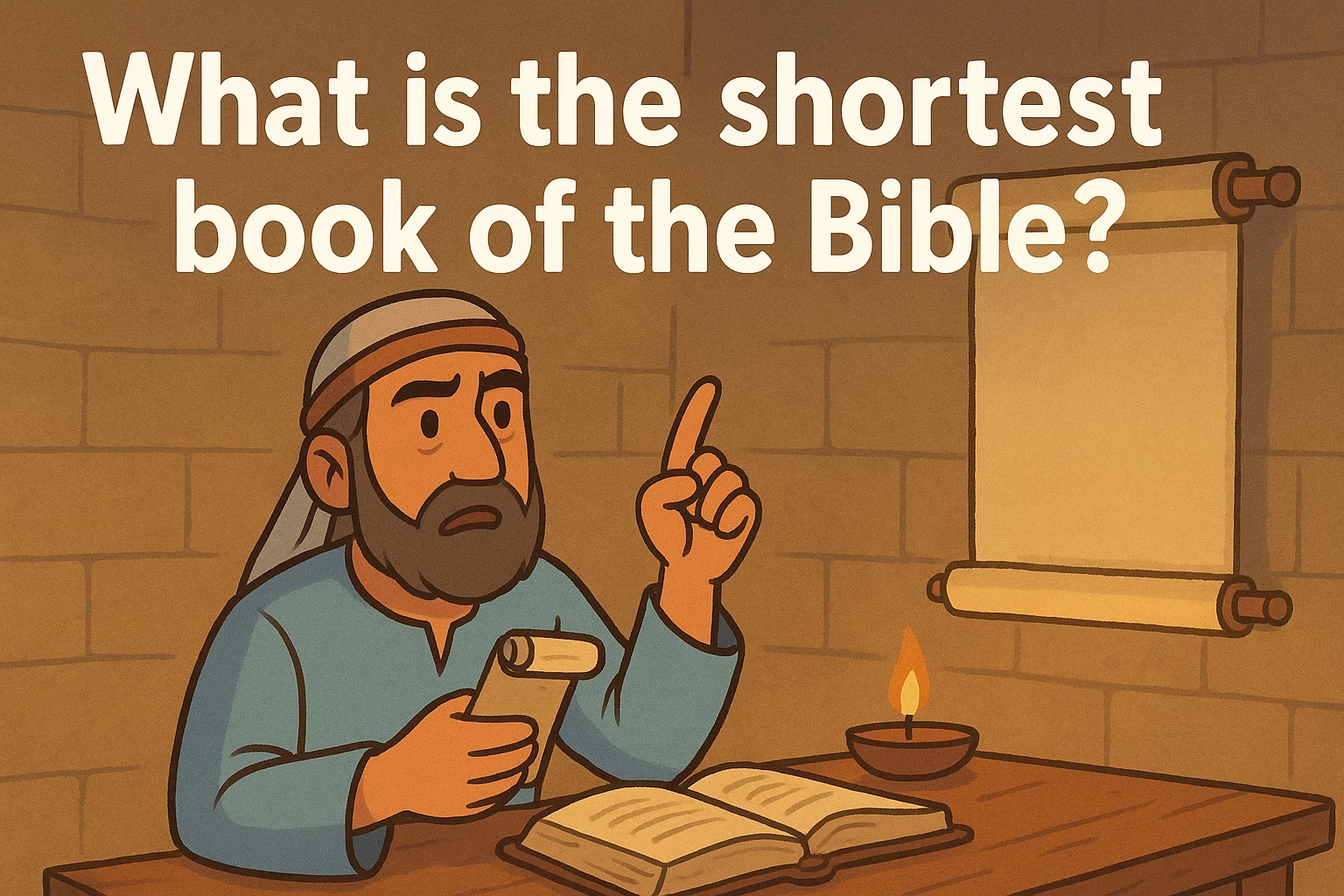
The shortest book of the Bible is the Book of Obadiah. This minor prophet’s book consists of just one chapter, containing 21 verses. The brevity of Obadiah makes it a unique text among the 66 books of the Bible, and it offers rich insights despite its short length.
Understanding the Context of Obadiah
The Book of Obadiah is part of the Old Testament and belongs to the group of writings known as the Minor Prophets. These books are termed “minor” not because they are less important, but due to their shorter lengths compared to the Major Prophets like Isaiah, Jeremiah, and Ezekiel.
Obadiah’s primary focus is on the nation of Edom, which was located to the southeast of Israel. The historical backdrop for this prophecy is rooted in the longstanding animosity between the Israelites and the Edomites, stemming from their shared ancestry through Jacob and Esau. This tension culminated in Edom’s betrayal during the Babylonian conquest of Jerusalem, where they took advantage of Israel’s misfortune.
The Themes of Obadiah
Despite its short length, the Book of Obadiah addresses significant themes that resonate throughout the Bible. Here are some key themes found in this book:
- Judgment: Obadiah proclaims God’s judgment against Edom for its arrogance and violence against Israel. This theme emphasizes that no nation can escape divine justice.
- Restoration: The book also speaks of hope and restoration for Israel. After a period of suffering, God promises to bring His people back to their land and restore their fortunes.
- Divine Sovereignty: Obadiah highlights God’s sovereignty over nations and history. The prophecy serves as a reminder that God is in control and will ultimately fulfill His plans.
Key Verses and Messages
Obadiah’s verses, though few, contain powerful messages. One of the central messages is found in verse 15, which states that the day of the Lord is near for all nations. This serves as a reminder that God’s judgment is not limited to one group but extends to all who oppose Him.
Additionally, in verse 17, Obadiah offers a promise of deliverance for the house of Jacob, indicating that those who trust in God will find refuge and restoration. This promise is significant as it reassures the Israelites of God’s faithfulness, despite their current struggles.
Why Read Obadiah?
Reading the Book of Obadiah may seem daunting due to its brevity, but it offers valuable lessons applicable to today’s world. Here are a few reasons to engage with this text:
- Understanding God’s Justice: Obadiah provides insight into the nature of God’s justice. It encourages readers to reflect on their actions and the consequences they may face.
- Encouragement in Trials: The themes of hope and restoration can uplift those facing difficulties. Obadiah reminds believers that God sees their struggles and will ultimately bring about justice and restoration.
- Historical Insight: The book gives readers a glimpse into the historical context of Israel and its neighbors, enriching the understanding of biblical history.
Conclusion of Part One
In summary, the Book of Obadiah stands as the shortest book in the Bible, rich with themes of judgment, restoration, and divine sovereignty. Its concise nature does not diminish its significance; instead, it invites readers to reflect on its messages and apply them to their lives. The next part of this article will delve deeper into the implications of Obadiah’s messages and how they resonate with contemporary readers.
Exploring the Impact of Obadiah
The Book of Obadiah, while brief, has a profound impact on both personal faith and broader theological discussions. Its succinct nature encourages readers to reflect deeply on the themes presented within its 21 verses. As we explore the implications of Obadiah, we uncover how its messages resonate with contemporary issues and spiritual journeys.
Lessons on Pride and Humility
One of the most striking aspects of Obadiah is its condemnation of pride, particularly in verse 3 where it states that the pride of Edom deceived them. This serves as a cautionary tale for readers today. The arrogance of Edom led to their downfall, reminding us of the importance of humility before God. In a world that often celebrates self-sufficiency and pride, Obadiah’s message encourages believers to remain humble and dependent on God.
Reflection on Relationships and Betrayal
The historical context of Obadiah reveals deep-seated animosities, specifically the betrayal of Israel by Edom. This theme of betrayal can resonate with many readers who have experienced similar feelings of hurt and abandonment in their lives. The book challenges us to consider how we treat others, especially in times of conflict. Are we quick to betray or abandon those in need? Obadiah calls for self-examination and encourages reconciliation rather than division.
The Universality of God’s Justice
Obadiah emphasizes that God’s judgment is universal, extending beyond the borders of Israel and Edom. This theme prompts readers to consider the broader implications of justice in their own lives and communities. It raises questions about how we view justice and mercy in a world that often seems unfair. Are we advocates for justice? Do we stand up for the oppressed? The book invites believers to reflect on their roles in promoting justice and compassion.
Obadiah’s Relevance in Modern Times
Though written centuries ago, Obadiah’s messages are relevant today. The themes of justice, pride, and betrayal echo in current societal issues, making this short book a valuable source of wisdom for contemporary readers. Here are some ways to apply its teachings:
- Social Justice Advocacy: The call for justice in Obadiah can inspire believers to engage in social justice efforts. This includes standing up against injustice and advocating for the marginalized in society.
- Encouragement in Hard Times: The promise of restoration in Obadiah provides hope for those facing trials. It encourages individuals to trust in God during their struggles, reminding them that they are not alone.
- Building Healthy Relationships: Reflecting on the themes of betrayal and humility can lead to healthier relationships. Believers are encouraged to practice forgiveness and seek reconciliation with those they may have wronged or who have wronged them.
Engaging with Obadiah in Study and Prayer
To fully appreciate the depth of Obadiah, readers are encouraged to engage with the text through study and prayer. Here are some suggestions for a deeper exploration:
- Read and Reflect: Take time to read the Book of Obadiah slowly. Reflect on each verse and consider what it reveals about God’s character and His relationship with humanity.
- Group Discussions: Join a Bible study group to discuss the themes of Obadiah. Sharing insights with others can deepen understanding and application of the text.
- Prayerful Consideration: Pray for guidance in applying the lessons from Obadiah to your life. Ask God to reveal areas where you may need to embrace humility, seek justice, or repair relationships.
Final Thoughts on the Book of Obadiah
The Book of Obadiah, while the shortest book in the Bible, offers rich and profound insights that are relevant to our lives today. Its themes of judgment, pride, and restoration encourage believers to reflect on their walk with God and their interactions with others. By engaging with this minor prophet’s message, we can find encouragement and direction in our faith journeys, reminding us of the importance of justice, humility, and the hope of restoration in our lives.
For further exploration of biblical themes and their applications, consider reading about the importance of justice in the Bible or the role of the Minor Prophets in biblical history. You can find more on these topics at this insightful article and this comprehensive overview.