
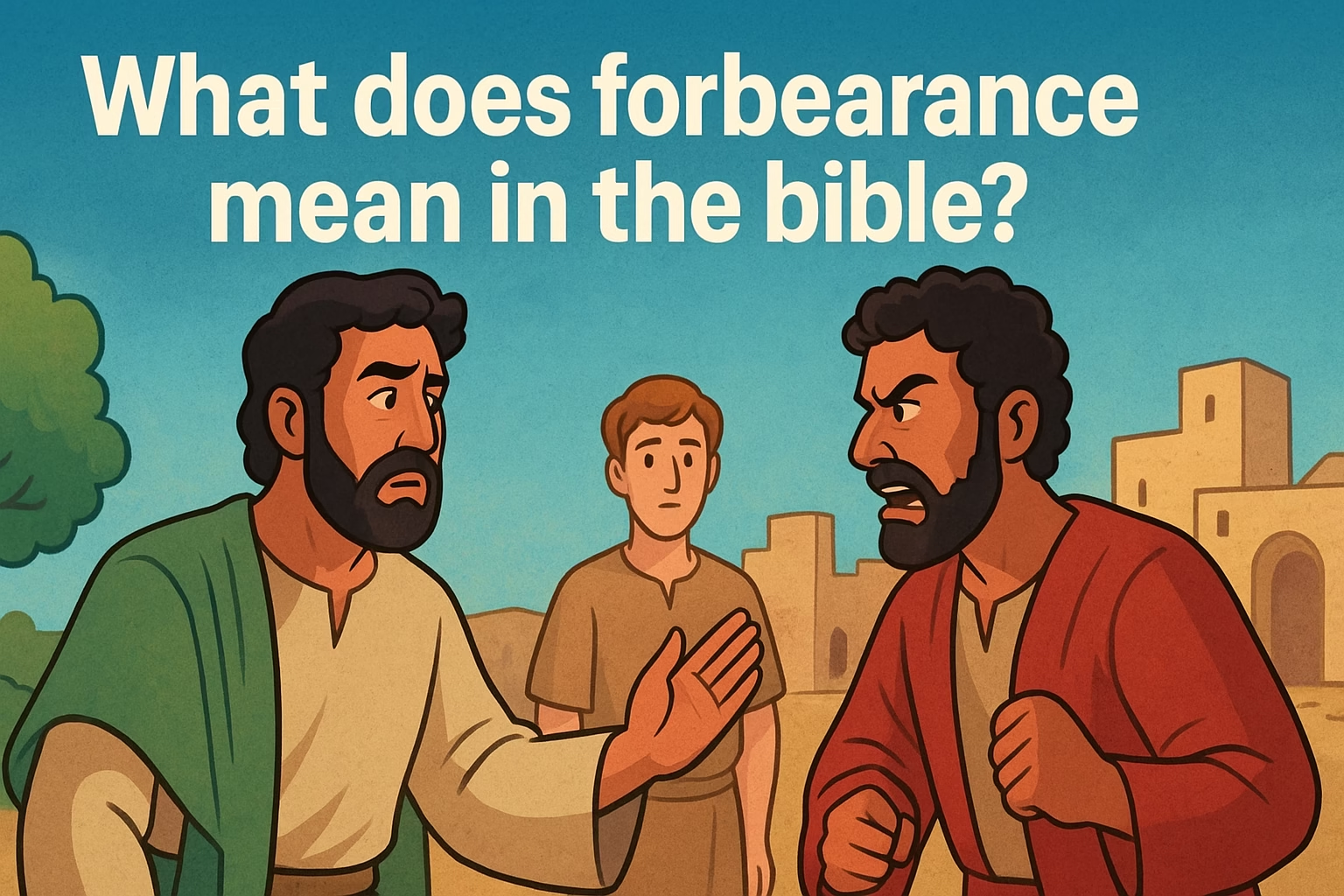
Forbearance is a term that can be found throughout the Bible, often embodying a profound aspect of God’s character and how He expects us to interact with others. Understanding forbearance is essential for grasping the depth of Christian teachings on patience, mercy, and love. In this article, we will explore what forbearance means in a biblical context, examining key passages and their implications for our lives today.
In the Bible, forbearance generally refers to the act of exercising self-control, patience, and restraint in the face of provocation or wrongdoing. It captures the essence of enduring difficult situations and showing grace towards others, despite their faults or offenses. This concept is deeply rooted in the nature of God and is reflected in His dealings with humanity.
Forbearance in the Old Testament
The Old Testament lays a strong foundation for understanding forbearance as it relates to God’s character. One of the most significant examples can be found in Exodus 34:6-7, where God reveals Himself to Moses. He describes His nature as “compassionate and gracious, slow to anger, abounding in love and faithfulness, maintaining love to thousands, and forgiving wickedness, rebellion, and sin.” This passage highlights that forbearance is intrinsic to God’s identity, demonstrating His willingness to endure human failings and extend mercy.
Another key example is found in Psalm 86:15, where the psalmist declares, “But you, Lord, are a compassionate and gracious God, slow to anger, abounding in love and faithfulness.” Here, forbearance is linked to God’s compassion and grace, showing that His patience is a deliberate act of love towards His creation.
Forbearance in the New Testament
The New Testament continues to develop the theme of forbearance, particularly in the teachings of Jesus and the apostles. In Ephesians 4:2, Paul encourages believers to “be completely humble and gentle; be patient, bearing with one another in love.” This instruction emphasizes that forbearance is not just a divine quality but also a necessary attitude for Christians. It calls for actively choosing to endure others’ shortcomings, reflecting God’s love in our relationships.
In Colossians 3:13, Paul further elaborates on this idea, stating, “Bear with each other and forgive one another if any of you has a grievance against someone. Forgive as the Lord forgave you.” This passage underscores the reciprocal nature of forbearance. Just as God has shown us forbearance and forgiveness, we are called to extend the same grace to others, fostering unity and peace within the community of believers.
The Importance of Forbearance
Forbearance is crucial for maintaining healthy relationships and fostering a spirit of love and acceptance among individuals. It allows us to navigate conflicts with grace, reflecting the patience that God has shown us. In a world filled with strife and division, forbearance acts as a binding force, encouraging harmony and understanding.
Moreover, forbearance serves as a powerful witness to the world around us. When we model this quality, we demonstrate the transformative power of God’s love. In a society that often prioritizes immediate gratification and retribution, exhibiting forbearance can lead others to inquire about the hope we possess in Christ.
God’s Forbearance Towards Humanity
One of the most profound aspects of forbearance in the Bible is God’s patience with humanity. Romans 2:4 states, “Or do you show contempt for the riches of his kindness, forbearance and patience, not realizing that God’s kindness is intended to lead you to repentance?” This verse highlights that God’s forbearance is not merely passive; it is an active expression of His desire for people to turn toward Him in repentance and faith.
Throughout history, God has demonstrated forbearance toward His people, even in the face of repeated disobedience and rebellion. The story of the Israelites is a testament to this. Despite their constant turning away from Him, God remained patient and sought to bring them back into a relationship with Him. This theme of divine forbearance culminates in the New Testament with the sacrifice of Jesus, who bore the weight of humanity’s sins, allowing for reconciliation between God and His creation.
Practical Applications of Forbearance
Understanding biblical forbearance is essential for applying it in our daily lives. Here are some practical ways to cultivate forbearance:
- Practice Patience: In challenging situations, take a moment to pause and reflect before reacting. This can help you respond with grace instead of frustration.
- Extend Grace: Be willing to forgive others when they offend you. Remember the times you have received grace from God, and let that motivate you to do the same.
- Communicate Openly: When conflicts arise, engage in open and honest communication. Express your feelings without attacking the other person, aiming for understanding rather than contention.
- Pray for Others: If you find it difficult to be patient with someone, pray for them. Asking God to work in their lives can help soften your heart and promote forbearance.
By actively practicing forbearance, we align ourselves with God’s character and contribute to a more loving and compassionate world.
Forbearance and the Fruit of the Spirit
Forbearance is also intricately linked to the concept of the Fruit of the Spirit, as outlined in Galatians 5:22-23. Among the qualities that the Holy Spirit cultivates in believers, patience is a key aspect. The Greek word often translated as “patience” can also imply forbearance, suggesting that this quality is a divine gift that enables Christians to endure difficult circumstances and relationships.
When believers exhibit forbearance, they reflect the character of Christ, who demonstrated immense patience throughout His ministry. This connection underscores the idea that forbearance is not merely a human endeavor but a manifestation of the Holy Spirit’s work in our lives. As we grow in our faith, we become more equipped to show patience and grace towards others, which is foundational for a healthy Christian community.
Forbearance as a Reflection of God’s Kingdom
Forbearance plays a significant role in embodying the values of God’s Kingdom on Earth. In Matthew 5:9, Jesus states, “Blessed are the peacemakers, for they will be called children of God.” Forbearance fosters peace by allowing individuals to navigate disagreements without escalating conflicts. When Christians practice forbearance, they contribute to a peaceful environment that reflects the harmony of God’s Kingdom.
This principle extends beyond personal relationships; it encompasses how believers engage with society at large. In a world marked by division and hostility, forbearance can serve as a powerful testimony to the truth of the Gospel. By choosing to respond with patience and grace, Christians can break cycles of anger and retaliation, inviting others to experience the love of Christ.
Challenges to Practicing Forbearance
While forbearance is a vital Christian practice, it can be challenging to maintain, especially in specific contexts. Personal grievances, cultural differences, and societal pressures can test our resolve to be patient and forgiving. In these moments, it is essential to remember that forbearance is not a sign of weakness but a testament to strength and faith.
Additionally, forbearance does not mean ignoring injustices or allowing harmful behaviors to continue unchallenged. It is crucial to strike a balance between exercising patience and addressing issues constructively. Engaging in healthy conflict resolution, standing up for what is right, and seeking justice are all integral to embodying forbearance in a way that honors God and supports others.
Reflecting on Forbearance in Our Lives
To deepen our understanding of forbearance, it can be helpful to reflect on specific questions that challenge us to apply this concept in our daily lives:
- In what situations do I find it most challenging to practice forbearance?
- How can I better model God’s forbearance in my relationships with family, friends, and colleagues?
- Are there unresolved conflicts in my life where I need to extend grace and forgiveness?
- How can I cultivate a heart of forbearance through prayer and reliance on the Holy Spirit?
By engaging with these questions, we can identify areas for growth and seek God’s guidance in becoming more patient and forgiving individuals.
Conclusion: The Call to Forbearance
In summary, forbearance is a profound biblical principle that reflects God’s nature and is essential for fostering love and unity among believers. It is a call to exercise patience, grace, and mercy, both in our relationships with others and in our walk with God. As we strive to embody forbearance, we become instruments of peace in a world that desperately needs it. Through the power of the Holy Spirit, we can cultivate this quality, allowing it to transform our hearts and the communities around us.
For more insights on developing a Christ-like character, consider exploring how the Fruit of the Spirit influences our relationships and actions. You can read more about this in the article on the Fruit of the Spirit and how it applies to everyday life. Additionally, understanding the importance of forgiveness can further enhance our ability to practice forbearance; find out more in our article on forgiveness in the Bible.