
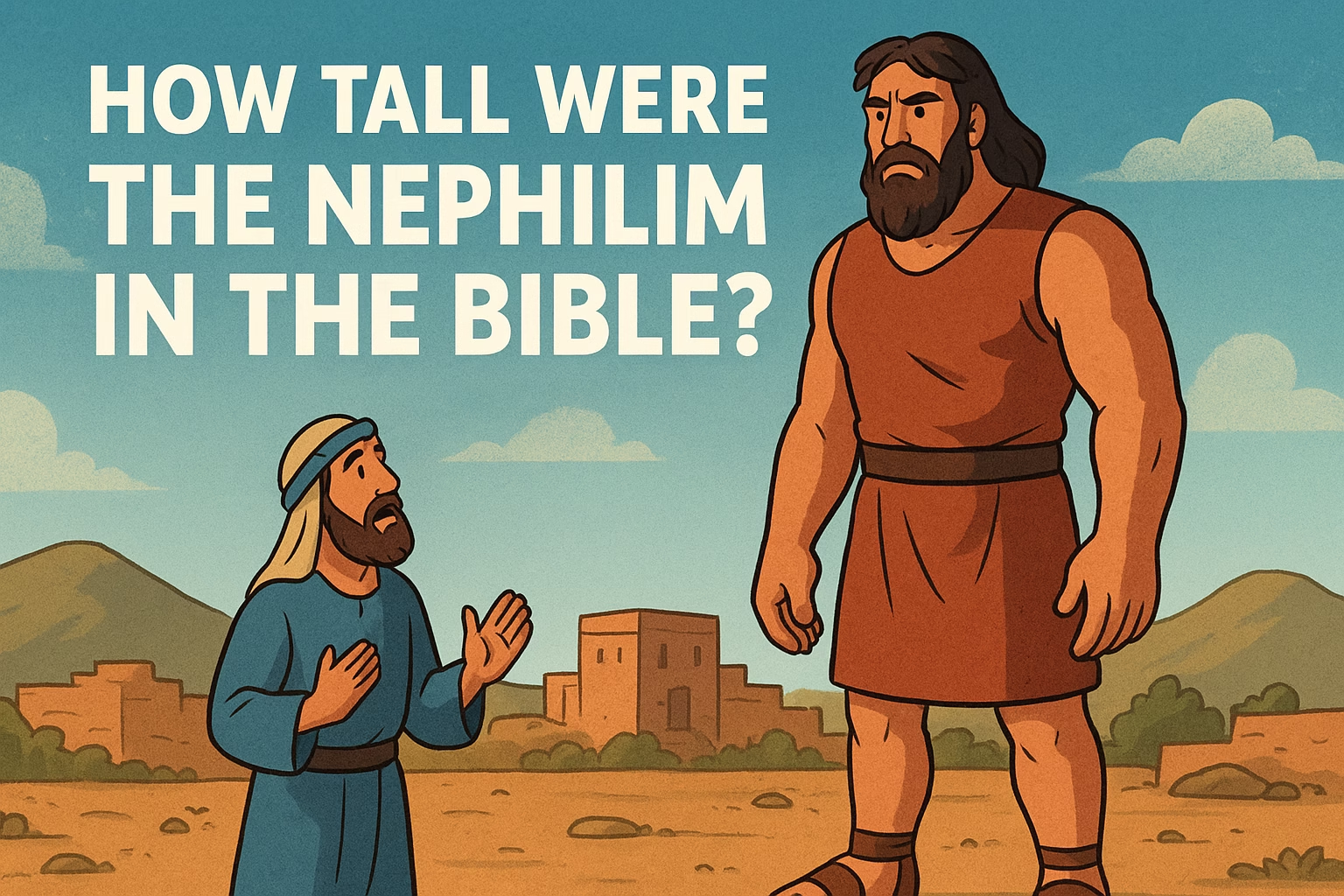
The Nephilim are one of the more mysterious figures in the Bible, often sparking curiosity and debate among readers and scholars alike. Mentioned briefly in Genesis, they have raised questions regarding their nature and characteristics, including their height. This article will explore the biblical references to the Nephilim and what we can infer about their stature based on scripture and historical context.
Directly answering the question of how tall the Nephilim were is challenging, as the Bible does not provide specific measurements. In Genesis 6:4, it states, “In those days and even afterward, giant Nephilim lived on the earth, for whenever the sons of God had intercourse with women, they gave birth to children who became the heroes and famous warriors of ancient times” (NLT). The term “giant” suggests that they were significantly larger than average humans, but the exact height is not specified.
Understanding the Nephilim in Context
To grasp the concept of the Nephilim, it’s essential to consider the context of their mention in the Bible. The Nephilim appear in Genesis 6:1-4, during a time when humanity was growing increasingly corrupt. This passage describes a union between the “sons of God” and the “daughters of humans,” which is often interpreted as a mixture of divine beings and human beings. The offspring of these unions were the Nephilim, described as mighty men and heroes of renown.
The term “Nephilim” itself is derived from the Hebrew root “npl,” which means “to fall.” This has led to various interpretations, suggesting that they were either fallen ones, giants, or even mighty warriors. However, their exact nature and the implications of their height remain a subject of debate among biblical scholars.
Scriptural References and Interpretations
Besides Genesis 6:4, there are few other references to the Nephilim in the Bible, which adds to the ambiguity surrounding them. For instance, in Numbers 13:33, when the Israelite spies report back from the land of Canaan, they claim, “We even saw giants there, the descendants of Anak. Next to them, we felt like grasshoppers, and that’s what they thought, too!” (NLT). This account indicates that the Nephilim or their descendants were perceived as giants, causing fear among the Israelites.
While some interpretations suggest that the Nephilim were extraordinarily tall, the Bible does not provide any numerical value to their height. The emphasis seems to be more on their might and the fear they instilled in others rather than specific measurements. This lack of clarity has led to various speculative theories over the centuries.
Historical and Cultural Perspectives
Throughout history, the idea of giants has been a common motif in various cultures. Ancient texts and myths from different civilizations often speak of giant beings or heroes. For example, the Greek mythology includes figures like the Titans, who were of enormous size and strength. These parallels may have influenced the interpretation of the Nephilim as giants, reinforcing the notion of their height in cultural memory.
In Jewish tradition, the Nephilim are sometimes associated with the fallen angels or the Watchers, who descended to Earth and interacted with humans. This connection may have contributed to the perception of them as beings of great power and stature. However, it remains essential to distinguish between these cultural interpretations and the biblical text itself, which does not provide definitive answers about their height.
Speculative Theories on Height
Many scholars and theologians have speculated about the height of the Nephilim, often drawing on extra-biblical texts or interpretations to support their claims. Some ancient texts, such as the Book of Enoch, which is considered apocryphal by many Christian traditions, describes the Nephilim as being of great stature. However, since these texts are not included in the canonical Bible, their claims should be approached with caution.
Some modern interpretations suggest that the Nephilim could have been anywhere from 7 to 12 feet tall based on cultural references and ancient records. However, these figures are not substantiated by biblical evidence and remain conjectural. The Bible’s focus is more on the moral and spiritual implications of the Nephilim rather than their physical characteristics.
Theological Implications of the Nephilim’s Height
The height of the Nephilim, while intriguing, may not be the most crucial aspect of their story. The biblical narrative emphasizes the corruption of humanity and the consequences of straying from God’s intended order. The presence of the Nephilim serves as a warning of the dangers of mixing the divine with the human, leading to moral decay and divine judgment.
In this light, the Nephilim can be viewed more as a symbol of rebellion and the consequences of sin rather than merely a measurement of physical stature. Their mention in the context of the Great Flood further underscores the theme of judgment and the need for redemption, which is a central tenet of Christian theology.
Exploring the Nature of the Nephilim
To understand the Nephilim fully, one must consider the various interpretations surrounding their identity and nature. While the biblical text does not provide a clear depiction of their physical height, it does suggest that they were extraordinary beings. The Nephilim are often viewed as hybrids, products of the union between divine beings and human women, which raises questions about their abilities and characteristics beyond mere size.
Some interpretations suggest that the Nephilim possessed not only physical strength but also great wisdom and prowess in battle, aligning them with the concept of ancient heroes. This view is supported by their description as “mighty men” and “men of renown,” emphasizing their significance in the ancient world. This multifaceted interpretation allows for a broader understanding of their impact on humanity, extending beyond their potential height.
The Nephilim in Jewish Tradition
Jewish tradition offers additional insights into the Nephilim through various texts and commentaries. The Talmud and other rabbinic writings provide different perspectives on the Nephilim’s origins and characteristics. Some rabbinic interpretations focus on the moral implications of their existence, suggesting that the Nephilim were a direct result of humanity’s transgressions and the resulting divine judgment.
In some Jewish thought, the Nephilim are seen as a warning against the dangers of straying from God’s commandments. The narrative serves as a reminder of the consequences of sin, reinforcing the idea that the Nephilim were not merely giants but also symbols of moral decay. This context adds depth to their story, going beyond physical attributes to highlight the spiritual lessons that can be drawn from their existence.
Scientific and Archaeological Perspectives
In modern times, some researchers and enthusiasts have sought to find archaeological evidence supporting the existence of giants or beings of extraordinary height. While there have been claims of giant skeletons being discovered, many of these claims lack credible scientific backing and are often debunked as hoaxes or misinterpretations of archaeological finds.
From a scientific perspective, the concept of giant beings raises questions about genetics and human biology. The average height of humans has varied significantly over time, influenced by factors such as nutrition and environment. Speculating on the physical stature of the Nephilim without concrete evidence can lead to misunderstandings of both biblical and scientific narratives.
Questions for Further Reflection
The mystery surrounding the Nephilim invites deeper reflection on several key questions:
- What do the Nephilim teach us about the nature of sin and its consequences?
- How does the concept of the Nephilim influence our understanding of the relationship between the divine and the human?
- In what ways can the story of the Nephilim inform our contemporary discussions about morality and ethics?
- What parallels can we draw between the Nephilim and other cultural myths of giants or heroes across different civilizations?
These questions can lead to a richer understanding of the Nephilim and their relevance in both ancient and modern contexts. Engaging with these themes can deepen one’s faith and understanding of biblical teachings.
Concluding Thoughts on the Nephilim
Ultimately, the height of the Nephilim remains an open question, as the Bible does not provide definitive measurements. Their significance lies not in their physical stature but in the lessons they embody regarding the relationship between humanity and the divine. By examining the context, interpretations, and implications of their existence, we can appreciate the complexities of their story.
As we reflect on the Nephilim, it is crucial to focus on the moral themes of the narrative. The presence of the Nephilim serves as a reminder of the dangers of corruption and the importance of adhering to God’s will. Their story challenges us to consider our own lives and the choices we make in the light of faith and obedience.
By contemplating these aspects, we can draw valuable insights that transcend the question of height, allowing us to engage meaningfully with the biblical text and its teachings.
For further exploration of biblical figures and their significance, you can check out this article on the Nephilim and this resource on giants in scripture.