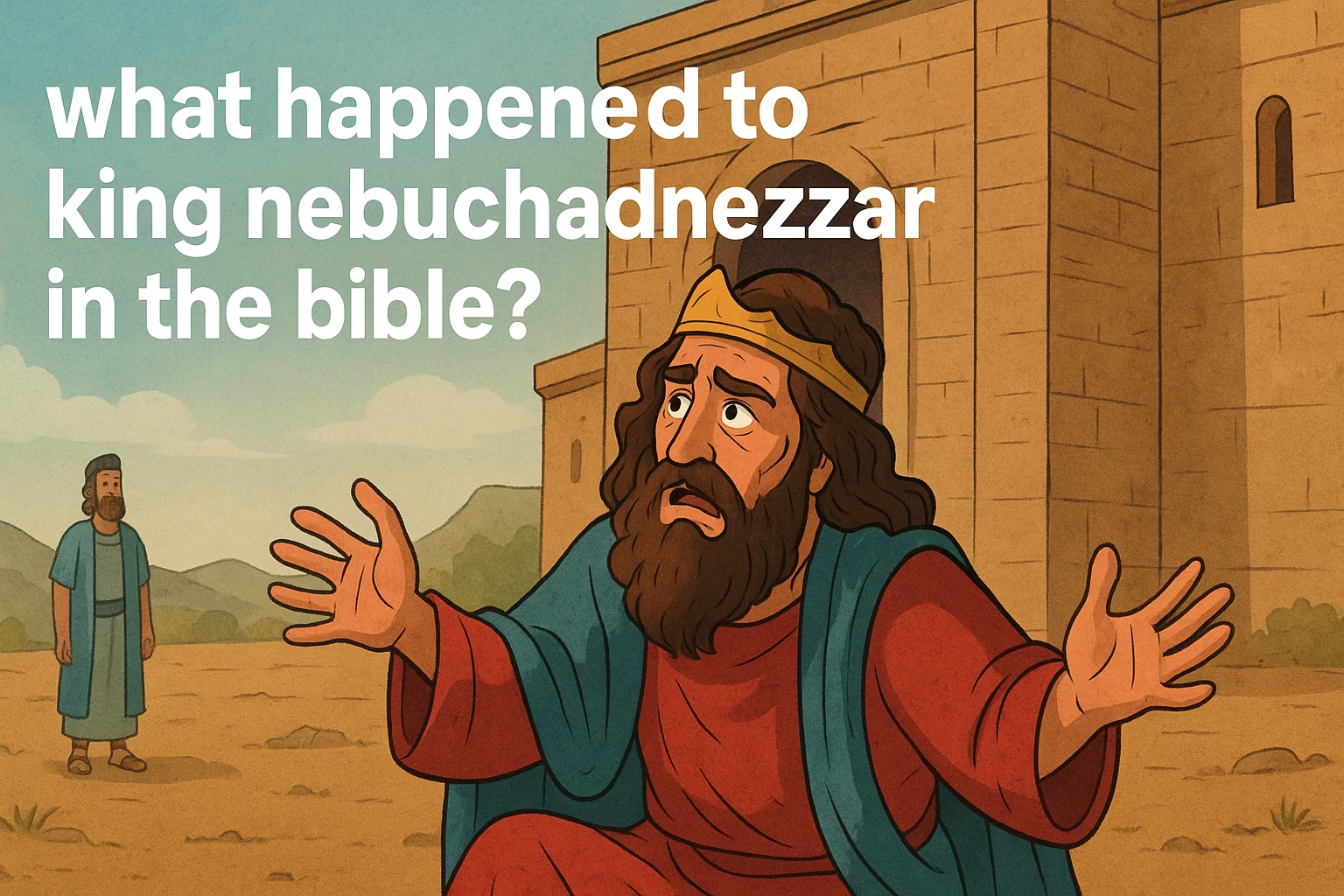
The story of King Nebuchadnezzar is one of the most fascinating accounts in the Bible, illustrating themes of pride, humility, and divine sovereignty. As the king of Babylon, Nebuchadnezzar was known for his mighty conquests and impressive architectural achievements, including the famous Hanging Gardens. However, his life took a dramatic turn that serves as a powerful lesson for all.
King Nebuchadnezzar’s transformation is detailed primarily in the Book of Daniel. He experienced a profound change in his character and circumstances, which ultimately led to his recognition of God’s authority. Let’s explore what happened to this powerful king, as narrated in Scripture.
Initial Pride and the Dream
Nebuchadnezzar’s story begins with his impressive reign. He conquered Jerusalem and took many Israelites captive, including the prophet Daniel. In Daniel 2, the king had a troubling dream that none of his wise men could interpret. Frustrated, he threatened to execute them all. However, Daniel, with God’s help, interpreted the dream, revealing that the king would be succeeded by a series of kingdoms, ultimately leading to God’s everlasting kingdom.
This dream highlighted the arrogance that Nebuchadnezzar displayed throughout his reign. In Daniel 3, he constructed a massive golden statue and commanded everyone to worship it. Those who refused, including Daniel’s friends Shadrach, Meshach, and Abednego, faced death in a fiery furnace. Their miraculous survival, protected by divine intervention, should have humbled Nebuchadnezzar, yet he remained proud.
The Warning from God
In Daniel 4, Nebuchadnezzar experienced another dream, which this time was a direct warning from God. He dreamt of a great tree that provided shelter and food for many creatures, but it was cut down, leaving only a stump. Daniel interpreted this dream as a message that Nebuchadnezzar would be driven away from people and live like an animal until he acknowledged God’s sovereignty. This warning was a call for humility.
“The Most High rules over the kingdoms of the world and gives them to anyone he chooses.” (Daniel 4:17, NLT)
The Fall of Nebuchadnezzar
Despite the clear warning, Nebuchadnezzar continued in his pride. One year later, as he walked upon the roof of his royal palace, he boasted about his accomplishments, saying, “Look at this great city of Babylon! By my own power, I have built this beautiful city as my royal residence.” (Daniel 4:30, NLT). At that moment, God’s judgment fell upon him, just as foretold in the dream.
He was driven from his kingdom and lived in the wilderness. His sanity was lost, and he began to behave like an animal, eating grass and living among the beasts. This condition lasted for seven periods of time, often interpreted as seven years. This dramatic transformation serves as a physical manifestation of his spiritual state, illustrating the consequences of pride and rebellion against God.
The Restoration of Nebuchadnezzar
Eventually, after this period of humiliation, Nebuchadnezzar’s sanity was restored. The turning point came when he acknowledged God’s sovereignty. He lifted his eyes to heaven and praised the Most High, recognizing that God’s dominion is everlasting. This act of humility led to his restoration to power.
“When I praised and worshiped the Most High and honored the one who lives forever, my sanity returned to me.” (Daniel 4:34, NLT)
Upon regaining his position, Nebuchadnezzar decreed that all people should honor the God of Daniel, demonstrating a significant shift in his beliefs. He acknowledged that God’s ways are just and that His power is unmatched.
Lessons from Nebuchadnezzar’s Life
The story of King Nebuchadnezzar offers several important lessons for us today:
- The Danger of Pride: Nebuchadnezzar’s initial downfall stemmed from his arrogance. His pride blinded him to the truth of God’s sovereignty.
- God’s Sovereignty: The narrative emphasizes that God is in control of all kingdoms and rulers. His authority transcends human power.
- The Call to Humility: The king’s eventual restoration came only after he humbled himself before God. This is a reminder that humility is essential in our relationship with the Lord.
- The Power of Transformation: Nebuchadnezzar’s life illustrates that no one is beyond redemption. A genuine acknowledgment of God can lead to profound change.
The journey of King Nebuchadnezzar is a powerful narrative that highlights the struggle between human pride and divine authority. His story serves as a reminder of the importance of humility and the recognition of God’s power over our lives.
Theological Significance of Nebuchadnezzar’s Experience
The experience of King Nebuchadnezzar carries profound theological implications that extend beyond his personal transformation. His story illustrates the concept of God’s sovereignty in a world often marked by human pride and rebellion. The events surrounding Nebuchadnezzar serve as a reminder of the overarching narrative of Scripture, where God continually seeks to draw humanity back to Himself despite their failings.
In Nebuchadnezzar’s life, we see a clear example of how God can use even the most powerful individuals to demonstrate His will. The king’s story emphasizes that God’s plans will prevail, regardless of human intentions. This is reflected in the way that Nebuchadnezzar, despite his initial pride, ultimately fulfills God’s purpose by acknowledging the true God and proclaiming His greatness to his kingdom.
The Role of Daniel and His Friends
Another crucial aspect of Nebuchadnezzar’s narrative involves the role of Daniel and his friends. Their unwavering faith in God amidst trials illustrates the power of steadfast belief. When faced with the king’s decree to worship the golden statue, Shadrach, Meshach, and Abednego stood firm in their faith, refusing to compromise their beliefs. Their miraculous deliverance from the fiery furnace not only demonstrated God’s protection but also served as a pivotal moment for Nebuchadnezzar, who was awestruck by their God’s power.
This dynamic between Nebuchadnezzar and Daniel’s friends emphasizes the importance of witnessing and standing firm in one’s faith, even in the face of adversity. It underscores the impact that one’s faith can have on others, including those in positions of power. Nebuchadnezzar’s exposure to the faith of these men was instrumental in his eventual recognition of God’s authority.
The Restoration and Its Implications
The restoration of Nebuchadnezzar is significant not only for him personally but also for the broader context of God’s redemptive plan. His acknowledgment of God’s sovereignty and the subsequent decree to honor the God of Israel demonstrate a shift from a polytheistic worldview to recognizing the one true God. This change is indicative of the transformative power of recognizing divine authority and the possibility of redemption for those who turn back to God.
Moreover, Nebuchadnezzar’s restoration serves as a reminder that God is always willing to restore those who repent. It reflects the biblical theme of redemption, where God seeks to redeem not only individuals but entire nations. This aspect of the story invites readers to reflect on the nature of repentance and the grace that follows genuine acknowledgment of one’s shortcomings.
Questions for Reflection
The narrative of Nebuchadnezzar raises several thought-provoking questions that can guide personal reflection and group discussions:
- What does Nebuchadnezzar’s journey teach us about the nature of pride and humility? Consider how pride can manifest in our lives and the importance of recognizing God’s authority over our personal achievements.
- How can we respond to God’s warnings in our lives? Reflect on moments when you may have felt a prompting to change or acknowledge God’s sovereignty.
- In what ways can we stand firm in our faith like Daniel and his friends? Think about the challenges you face in your own life and how you can maintain your convictions.
- How can we share the message of God’s sovereignty and redemption with those around us? Explore practical ways to witness to others about God’s transformative power.
Conclusion: A Lasting Legacy
The story of King Nebuchadnezzar is a powerful account of pride, humility, and redemption. His life serves as a reminder of the dangers of arrogance and the importance of recognizing God’s sovereignty over all creation. The lessons learned from his transformation encourage believers to reflect on their own relationship with God and to strive for humility in their lives. Ultimately, Nebuchadnezzar’s legacy is not just one of a king who fell from grace, but of a man who, through divine intervention, discovered the true greatness of God and the power of redemption.
For further insights on the significance of faith in adversity, you can read about the role of Daniel and his friends and how their unwavering commitment made an impact on Nebuchadnezzar’s journey. Additionally, explore the broader themes of pride and humility in the Bible to deepen your understanding of these crucial concepts.