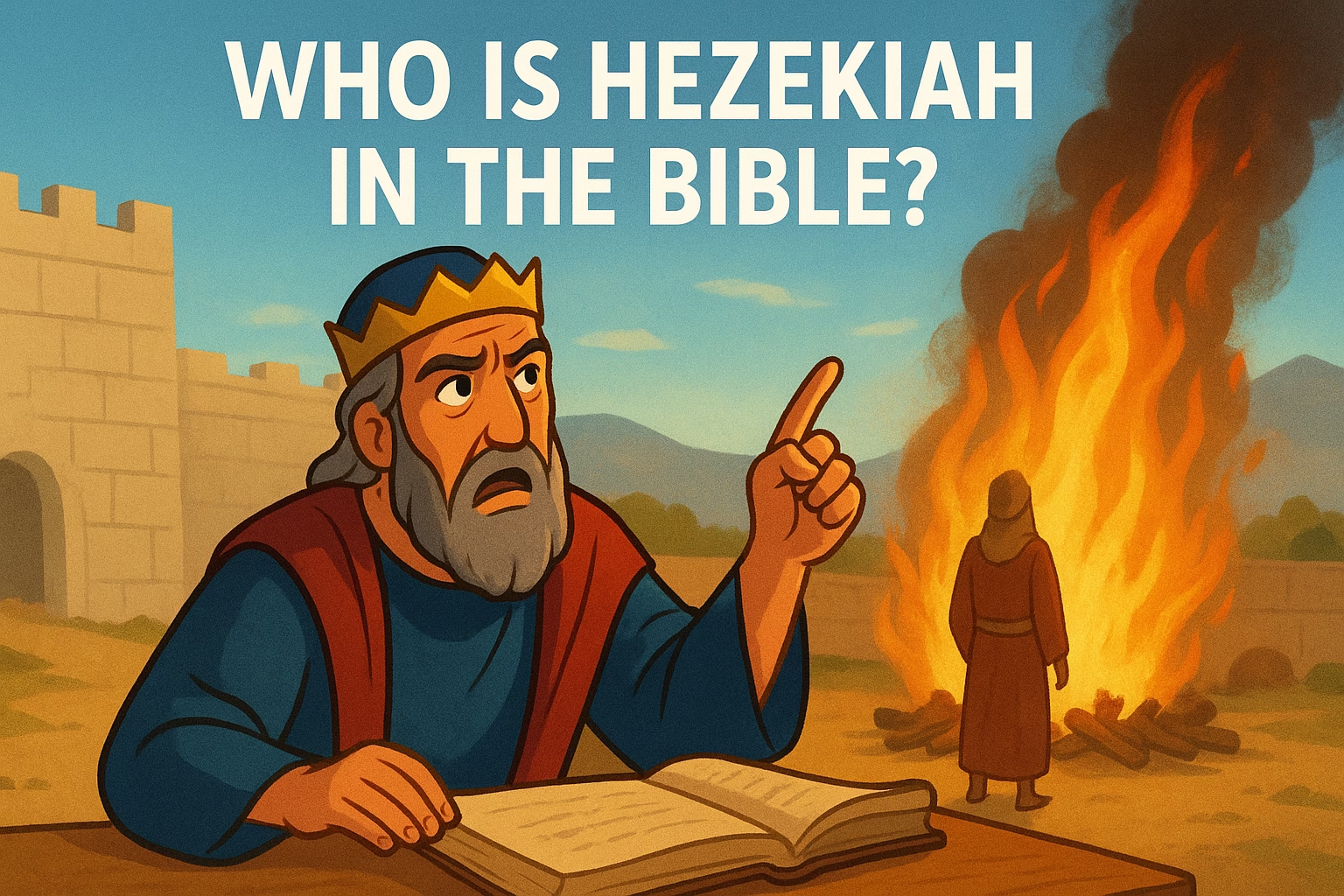
Hezekiah is a significant figure in the Bible, known for his reign as King of Judah during a tumultuous period in Israel’s history. He is often remembered for his faithfulness to God and his efforts to restore true worship in a time when the nation faced great challenges. This article will explore who Hezekiah was, his accomplishments, and his legacy as depicted in the Scriptures.
Hezekiah was the son of King Ahaz and became the thirteenth king of Judah, ruling from approximately 715 to 686 B.C. His reign is recorded primarily in the books of 2 Kings, 2 Chronicles, and Isaiah. Hezekiah is celebrated for his religious reforms, military successes, and his reliance on God in times of crisis.
Family Background and Ascension to the Throne
Hezekiah was born into a royal family as the son of Ahaz, who was known for his idolatrous practices. Unlike his father, Hezekiah sought to follow the ways of the Lord. His reign began around the age of 25 after the death of Ahaz. The biblical narrative in 2 Kings 18:1-3 highlights that Hezekiah did what was right in the eyes of the Lord, following the example of King David.
Religious Reforms
One of Hezekiah’s most notable contributions was his commitment to religious reform. He recognized the need to cleanse the nation of idolatry and restore proper worship of Yahweh. In 2 Chronicles 29, we see Hezekiah’s initiative to open the doors of the Temple, which had been closed during his father’s reign. He called upon the priests and Levites to consecrate themselves and the Temple, emphasizing the importance of returning to a right relationship with God.
Hezekiah also ordered the removal of high places, sacred stones, and Asherah poles, which were symbols of pagan worship. These actions demonstrated his determination to eliminate idolatry and return the people of Judah to the worship of the one true God. His reforms included the reinstitution of the Passover celebration, which had been neglected for years. In 2 Chronicles 30, we see Hezekiah inviting all of Israel and Judah to join in this significant observance, showcasing his desire for national unity in worship.
Military Challenges and Divine Deliverance
Hezekiah’s reign was marked by significant military challenges, particularly from the Assyrian Empire. During this period, Assyria was a dominant power, and King Sennacherib launched a campaign against Judah. The Assyrians besieged Jerusalem, and the situation appeared dire. However, Hezekiah responded with faith and prayer. He sought guidance from the prophet Isaiah, who assured him that God would deliver the city.
In 2 Kings 19, we read about Hezekiah’s earnest prayer to God, where he acknowledged the power of the Lord and the threat posed by Sennacherib. In response to his faithfulness, God sent an angel who struck down 185,000 Assyrian soldiers during the night. This miraculous deliverance not only saved Jerusalem but also demonstrated God’s sovereignty and ability to protect His people against overwhelming odds.
Hezekiah’s Illness and Recovery
Another significant episode in Hezekiah’s life was his illness, which is detailed in 2 Kings 20 and Isaiah 38. Hezekiah fell gravely ill, and the prophet Isaiah visited him with a message from God, telling him to set his house in order because he would die. However, Hezekiah fervently prayed, asking God to remember his faithfulness and the good he had done. God heard his prayer and granted him an additional fifteen years of life.
In 2 Kings 20:6, God promised Hezekiah, “I will add fifteen years to your life.” This promise reinforced the theme of God’s mercy and willingness to respond to sincere prayer.
During this time, Hezekiah also received a sign from God—a shadow on a staircase returned ten steps, demonstrating God’s power over time itself. This miraculous event served as a testament to God’s faithfulness in fulfilling His promises.
Legacy and Influence
Hezekiah’s reign left a lasting impact on Judah. His commitment to God and his reforms set a precedent for future kings. Although he faced challenges and failures, including a moment of pride when he showed off his treasures to Babylonian envoys (2 Kings 20:12-19), his overall legacy is one of faithfulness and devotion to God.
In the New Testament, Hezekiah is mentioned in the context of faithful leaders. His story serves as an example of how trust in God can lead to deliverance and blessings, even in difficult circumstances. The narrative of Hezekiah encourages believers today to seek God’s guidance in their lives and to maintain faith during trials.
In summary, Hezekiah stands out as a king who prioritized spiritual renewal and reliance on God. His story is a powerful reminder of the importance of faith, prayer, and obedience to God’s commands in the life of a leader and a nation.
Hezekiah’s Relationship with Isaiah
Another vital aspect of Hezekiah’s reign was his close relationship with the prophet Isaiah. This partnership was essential during times of crisis. Isaiah not only provided counsel but also delivered messages from God that guided Hezekiah’s decisions. The prophecies from Isaiah often reaffirmed God’s commitment to protect Judah, which bolstered Hezekiah’s faith.
For example, when Sennacherib threatened Jerusalem, Isaiah conveyed God’s assurance that the city would not fall into enemy hands. This divine reassurance was crucial for Hezekiah, who relied heavily on God’s promises during such a precarious time. The interactions between Hezekiah and Isaiah illustrate the importance of prophetic guidance in the life of a righteous leader.
Hezekiah’s Administrative and Infrastructure Initiatives
Beyond religious reforms and military strategy, Hezekiah also focused on administrative and infrastructure improvements within Judah. He recognized the necessity of strengthening Jerusalem against potential sieges, which led him to undertake significant construction projects. The most notable of these was the construction of the Siloam Tunnel, a water conduit that brought water from the Gihon Spring into the city. This strategic move ensured that Jerusalem had access to fresh water during times of siege, significantly enhancing the city’s defenses.
This tunnel not only served a practical purpose but also symbolized Hezekiah’s foresight and planning. It demonstrated his commitment to the welfare of his people and his understanding of the importance of preparedness in leadership. The Siloam Tunnel remains a remarkable archaeological site today, showcasing the ingenuity of Hezekiah’s reign.
Challenges of Pride and Its Consequences
Despite his many accomplishments, Hezekiah faced challenges related to pride. After his miraculous healing and extended life, he received envoys from Babylon who were intrigued by his wealth and the signs of divine favor. Instead of recognizing this as an opportunity to witness to the greatness of God, Hezekiah showcased his treasures and military strength. This act of pride drew a warning from Isaiah, who foretold that Babylon would one day conquer Judah and take its treasures away (2 Kings 20:12-19).
This incident serves as a cautionary tale about the dangers of pride and self-reliance. It highlights the need for humility in leadership and the importance of giving glory to God rather than seeking personal recognition. Hezekiah’s story reminds believers that even the most faithful can falter and that vigilance is necessary to maintain a humble heart before God.
Hezekiah in the Context of Judah’s History
Hezekiah’s reign is often viewed through the lens of Judah’s broader history. He ruled during a time when the kingdom was experiencing moral decay, and many were turning away from Yahweh. His efforts to restore worship and dismantle idolatry were crucial in reviving the spiritual life of the nation. His reforms laid the groundwork for future leaders, including his son Manasseh, who would later bring about significant regression in Judah’s faithfulness to God.
In historical context, Hezekiah’s reign is situated between the reigns of wicked kings and the eventual fall of Judah to Babylon. His faithfulness served as a brief but bright beacon in a time of darkness. This reality underscores the importance of individual leaders in shaping the spiritual and moral direction of a community or nation.
Reflections on Hezekiah’s Legacy
As believers reflect on Hezekiah’s life, several questions arise that can guide personal and communal faith journeys:
- How can we, like Hezekiah, seek to restore true worship in our communities today?
- What steps can we take to rely on God during our personal crises?
- How do we ensure that our successes do not lead to pride but rather to humble gratitude toward God?
Hezekiah’s story invites us to consider the role of faith in leadership and the impact that one individual can have on a nation. His life exemplifies how obedience to God can lead to restoration and deliverance, encouraging believers to remain steadfast in faith even amid adversity.
Conclusion: Hezekiah’s Enduring Influence
In conclusion, Hezekiah stands out not just as a king but as a model of faithfulness, courage, and humility. His story teaches valuable lessons about the importance of seeking God, the power of prayer, and the necessity of repentance and reform. Hezekiah’s legacy is a reminder to all believers of the profound impact that one person’s commitment to God can have on a community and the enduring importance of faith in the face of trials.
For further exploration of biblical leadership and the significance of prayer, consider reading about the role of prayer in the lives of biblical figures and the impact of leadership on faith communities.